
Supreme Court to Decide High Stakes Battle Over Potato Seed Rights
A legal dispute over a potato variety used in potato chips has reached the Supreme Court raising major questions about corporate breeder rights farmer seed ownership and the future of agriculture in India.
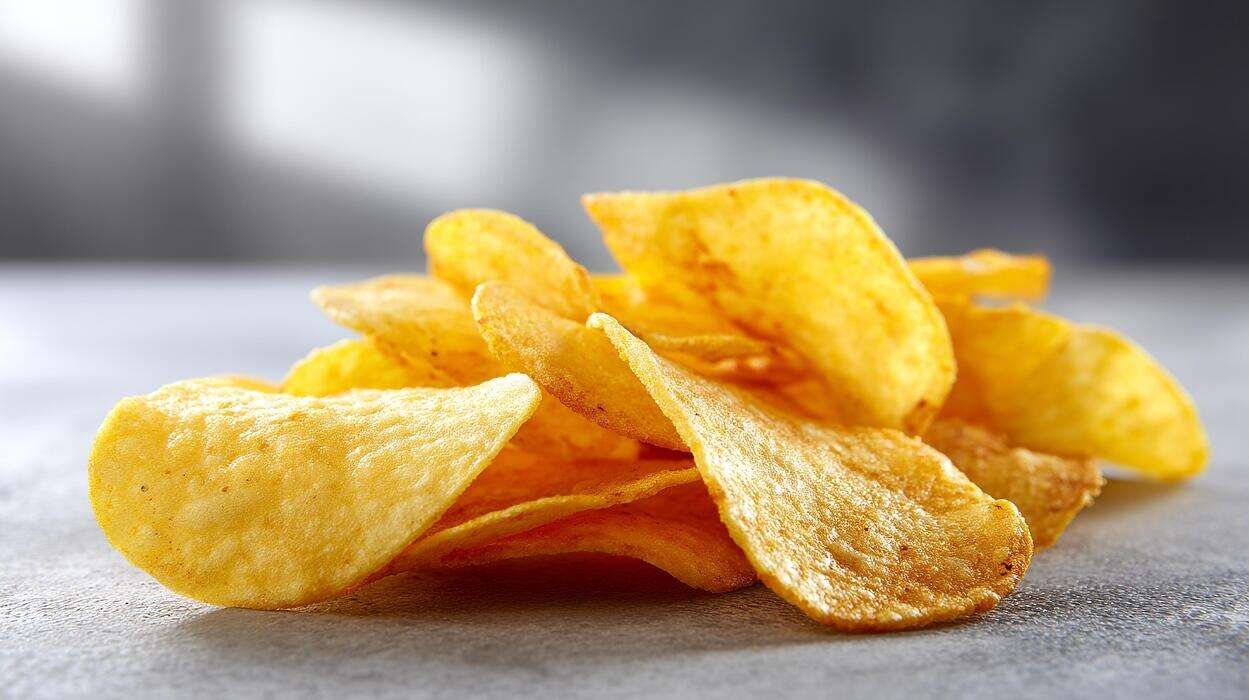
The legal dispute over the FL 2027 potato variety, widely used in the production of potato chips, has now reached the Supreme Court. The case is attracting nationwide attention because it goes beyond a single crop and raises an important question about whether corporate intellectual property rights or farmers’ traditional seed rights should take priority.
PepsiCo argues that it developed the FL 2027 potato variety and secured exclusive protection under the Protection of Plant Varieties and Farmers’ Rights Act, 2001. According to the company, its registration obtained in 2016 grants it exclusive rights to produce, market and commercially distribute this variety. It maintains that no one can cultivate the potato for commercial purposes without its authorization.
Farmer organizations, however, strongly disagree with this position. They point to Section 39(1)(iv) of the law, which allows farmers to grow, store, exchange and sell seeds produced on their farms. They argue that as long as farmers are not selling them as branded seeds, they are acting within the limits of the law and should not face legal action.
PepsiCo has clarified that it is not targeting ordinary small farmers. The company says its legal action is directed only at those who allegedly cultivate the protected potato variety on a commercial scale and supply it to competing chip manufacturers without permission.
The FL 2027 potato was specially developed for making chips and wafers. Its low moisture content helps produce crisp and high quality chips, making it suitable for food processing. However, it is not widely grown for regular household cooking because it was designed mainly for industrial use.
Farmer groups have also raised broader concerns about the impact of granting extensive control over food crop varieties to private companies. They argue that such control could affect the livelihoods of farmers and weaken India’s agricultural independence. On the other hand, PepsiCo believes strong legal protection is necessary to encourage companies to invest in developing improved crop varieties.
The Supreme Court’s decision is expected to have long term implications for India’s agriculture and seed industry. The ruling could define the balance between protecting innovation through breeder rights and preserving the legal rights of farmers to save and use seeds, making this one of the most closely watched agricultural cases in recent years.