
Gas Cylinder Prices May Rise Again as Centre Considers New LPG Levy
The proposed surcharge on domestic LPG cylinders could increase household cooking gas costs while helping the government strengthen national fuel reserves and improve long term energy security infrastructure.
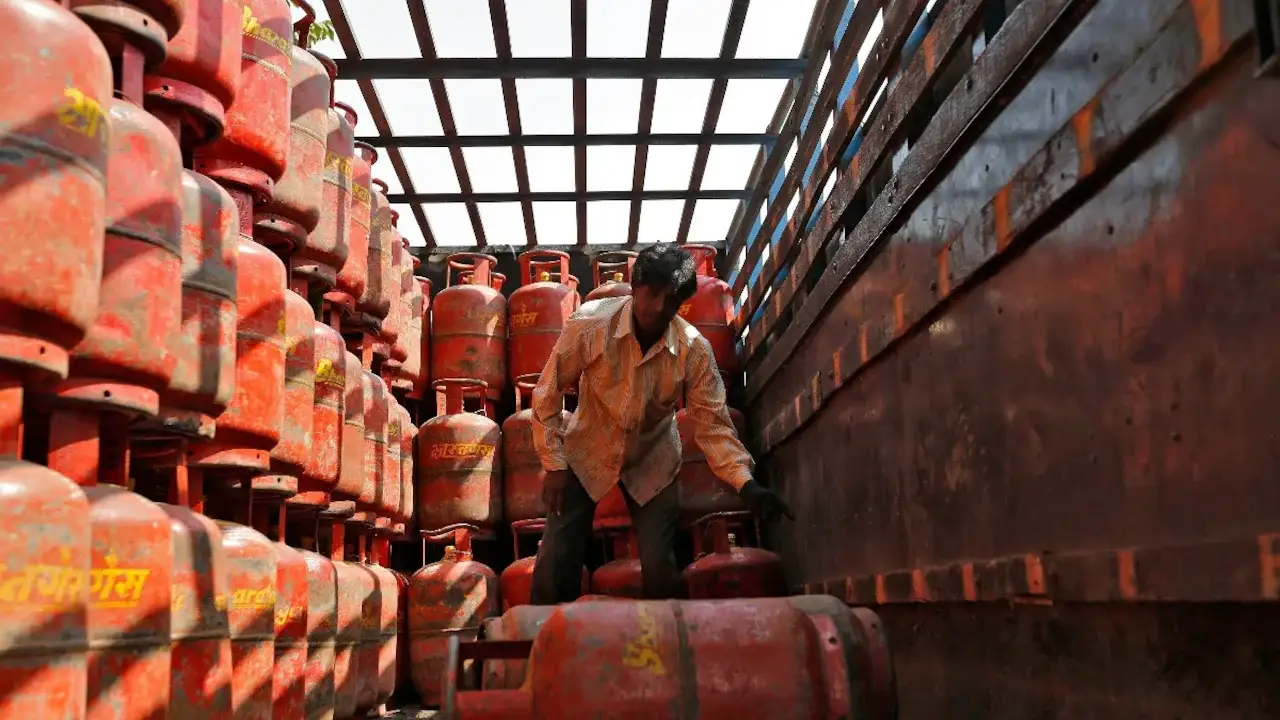
Gas Cylinder Prices Could See Another Increase
Households across the country may soon have to pay more for cooking gas as the Central Government is reportedly considering an additional levy on domestic LPG cylinders. Although LPG prices have already increased recently, another proposal under discussion could push cylinder prices even higher if it receives final approval.
Proposed Levy on LPG and CNG
According to reports, the government is evaluating a proposal to impose a surcharge of Rs 1.29 per kilogram on domestic LPG. For a standard household cylinder, this could result in an increase of around Rs 18. The proposal is also said to include a levy of Rs 1.43 per standard cubic metre on CNG supplies.
If implemented, these measures are expected to generate significant annual revenue. The LPG levy alone could bring in nearly Rs 4,375 crore every year, while the proposed CNG charge may contribute around Rs 9,500 crore. Together, both levies could raise approximately 1.5 billion dollars annually.
Why the Government Is Planning This Move
The reported proposal is part of a broader strategy to strengthen India’s energy security. Officials believe that expanding LPG storage capacity is essential to ensure uninterrupted fuel supplies during global crises, geopolitical tensions, or disruptions in international energy markets.
The government is estimated to require nearly 42 billion dollars over the next decade to develop large scale LPG storage infrastructure. A substantial portion of this investment would be used for building storage facilities, while the remaining funds would go toward purchasing and maintaining fuel reserves.
Final Approval Still Pending
The proposal has not yet received the Centre’s final approval. It is currently being discussed among various ministries and will need Cabinet clearance before becoming official. If approved, the additional charges could increase household gas bills by around two percent, adding to the financial burden on consumers already dealing with rising living costs.