E20 Petrol Debate Grows After Auto Industry Flags Engine Component Concerns
Fresh concerns over E20 petrol have sparked debate after the automobile industry highlighted possible engine issues while later withdrawing its communication pending further technical verification and analysis.
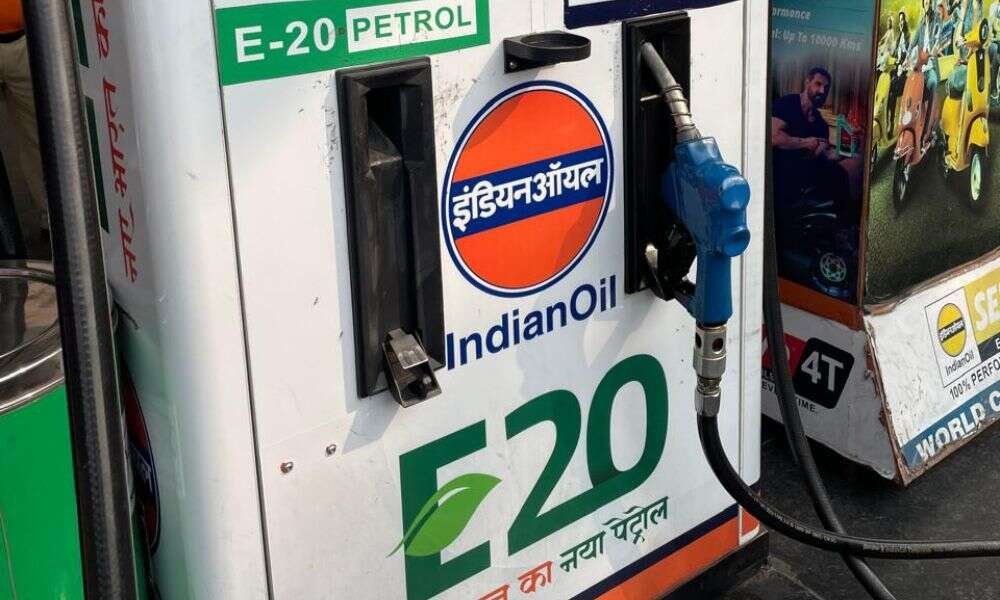
A fresh debate has emerged over the use of E20 petrol after the Society of Indian Automobile Manufacturers raised concerns about its possible impact on vehicle engine components. Although the industry body later withdrew its communication, the issue has triggered widespread discussion among vehicle owners and the automobile sector.
In a letter reportedly sent to the Union Ministry of Petroleum and Natural Gas on July 28, SIAM highlighted observations suggesting that higher chloride and moisture levels in some E20 fuel samples could accelerate wear in important engine parts. Components such as fuel pumps, injectors, EGR valves and exhaust systems were identified as areas that could potentially face long term damage if fuel quality does not meet prescribed standards.
The matter gained attention after details of the letter surfaced on social media. However, a day later, SIAM withdrew the communication, stating that the findings required additional research and broader validation before any firm conclusions could be drawn. The organisation said more data from different regions and detailed technical discussions would be necessary to accurately assess the situation.
According to the earlier observations, some vehicle fuel samples reportedly showed chloride levels significantly above expected values, while moisture content in certain cases also exceeded recommended limits. These findings prompted concerns that prolonged use of such fuel could affect engine durability and increase maintenance costs.
The Ministry of Petroleum and Natural Gas responded by assuring that fuel quality is continuously monitored across the country. Officials said oil marketing companies conduct regular inspections at more than 87,000 retail fuel outlets, including repeated quality checks after rainfall. The ministry added that over 2,000 fuel samples had been tested for chloride and sulphide contamination, with only two outlets found to have chloride contamination. Fuel sales at those locations were immediately suspended.
While SIAM has stepped back from its initial communication pending further verification, the discussion has highlighted the importance of consistent fuel quality monitoring as E20 petrol becomes more widely available across India.