Vastu Tips: These Plants Are Traditionally Considered Unsuitable For Homes
According to Vastu beliefs, certain plants are considered unsuitable indoors because they are traditionally associated with negative energy, household disagreements and financial difficulties.
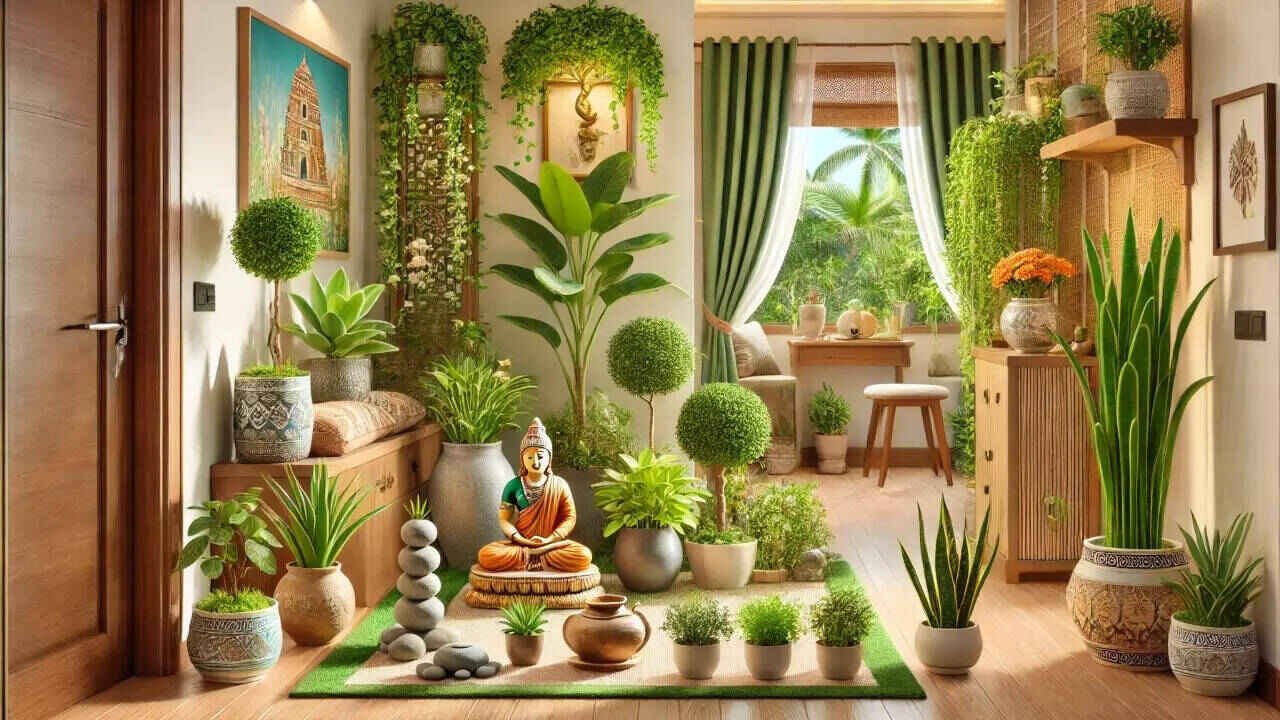
Plants are a common part of Indian homes, whether they are kept on a balcony, in a courtyard or around the entrance. They add greenery to the surroundings and can make a space feel more pleasant. However, traditional Vastu beliefs distinguish between plants considered favourable and those believed to bring an unfavourable atmosphere.
It is important to note that these are traditional Vastu beliefs and there is no scientific evidence that a particular plant can cause debt, financial loss or negative energy. Still, many households follow such practices while deciding what to grow around their homes.
Among the plants often discouraged by Vastu is cactus and other thorny varieties. Traditional beliefs associate thorns with obstacles, tension and disturbances in domestic life. Because of this, some Vastu practitioners recommend keeping thorny plants outside the main living area rather than placing them inside rooms.
People who enjoy cactus plants do not necessarily have to remove them altogether. According to common Vastu advice, they can instead be kept away from the main interior spaces, such as in suitable outdoor areas.
Plants that release a white or milky substance when their stems or leaves are damaged are another category traditionally viewed with caution. Vastu beliefs associate these plants with financial difficulties and disruption in the flow of prosperity. The exact belief can vary depending on the plant and regional tradition.
The Thumma tree is also mentioned in some traditional Vastu recommendations as a plant that should not be allowed to grow very close to the home. It is believed to create an unfavourable atmosphere and may be associated with disagreements among family members.
Another example is the Peepal tree. The tree has deep religious and cultural importance in India and is widely regarded as sacred. However, traditional Vastu guidance often discourages allowing a Peepal tree to grow spontaneously within house walls, courtyards or directly against the structure.
The concern is not simply about the tree itself. A large tree growing inside or immediately next to a building can also create practical problems because its roots may affect walls, flooring or other structures. Regularly checking unused corners, walls and outdoor areas can therefore be useful.
For people who want to follow Vastu traditions, commonly preferred household plants include Tulsi and money plant. These plants are traditionally associated with positivity and prosperity and are popular choices for balconies, entrances and other suitable areas.
At the same time, plant selection should also consider sunlight, watering requirements, allergies, pets and available space. A plant that is unsuitable for a particular environment may create practical problems regardless of Vastu beliefs.
Keeping the home green does not require following every traditional rule. Those who believe in Vastu can use these recommendations as part of their personal home practices, while also making practical decisions based on plant care and household safety.