Copper Vessel And Curd Why The Right Container Matters
Curd is a daily favourite in many Indian homes, but storing it in reactive metal vessels may affect quality, making safer container choices worth considering.
Curd has a familiar place on Indian dining tables. It is often served with rice, eaten at the end of a meal or used in dishes such as raita and buttermilk. Since it contains beneficial bacteria and is an easy source of several nutrients, many families prepare it at home.
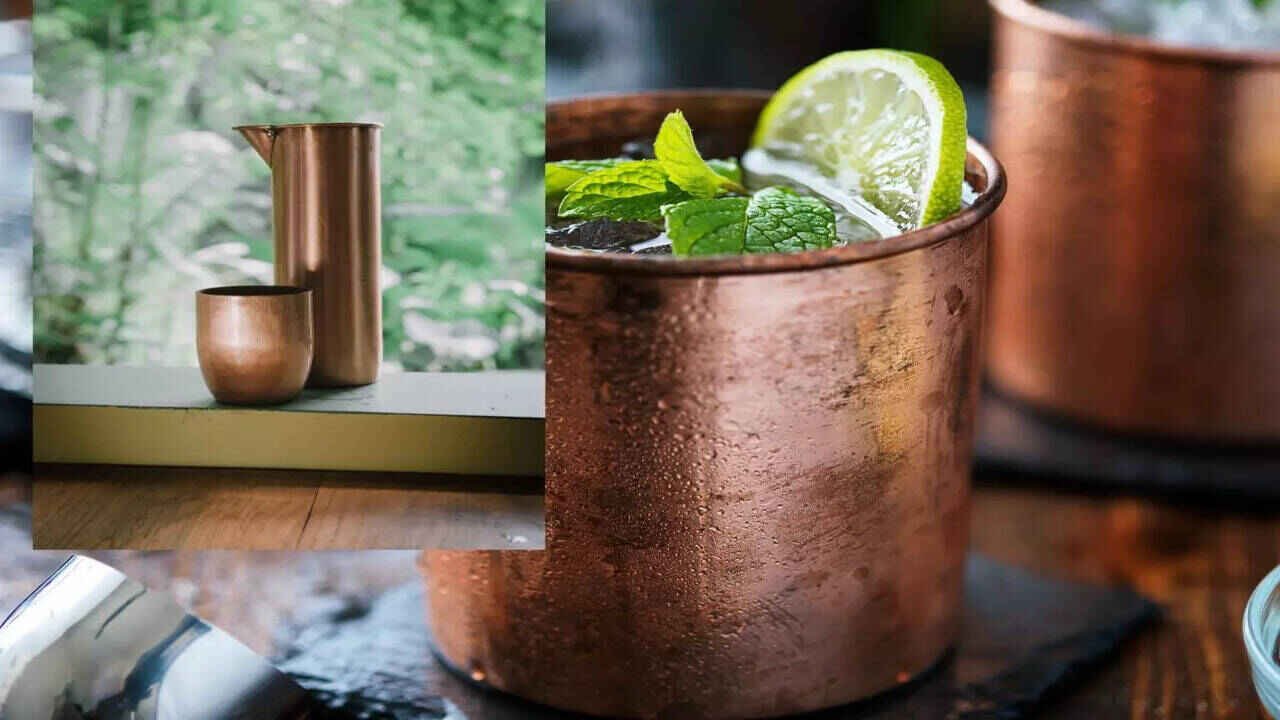
The container used for making or storing curd, however, is something that often receives less attention. Copper and brass vessels may look traditional and attractive, but they are generally not the best choices for keeping acidic foods such as curd for extended periods.
As milk ferments into curd, lactic acid is produced. Because curd is acidic, prolonged contact with reactive metals can potentially cause interaction between the food and the metal surface. The possibility can be greater when a vessel is unlined, damaged or has a worn protective coating.
This does not mean that touching curd to a copper or brass vessel for a brief moment will automatically make it unsafe. The bigger concern is prolonged storage, particularly when the condition of the vessel is poor. For everyday use, choosing a less reactive container is a simpler way to avoid unnecessary concerns.
Stainless steel is one practical option for preparing and storing curd. Good quality food grade stainless steel containers are commonly used in kitchens and are relatively easy to wash and maintain. They also do not have the same concerns associated with prolonged contact between acidic foods and reactive metals.
Glass containers are another convenient choice. A clean food grade glass container can be used to keep prepared curd in the refrigerator. Glass is non reactive and does not generally affect the taste or smell of the food.
Clay pots are also traditionally used for setting curd. Many people prefer them because they can help produce thicker curd by allowing some moisture to escape through the porous material. If a clay pot is used, cleanliness is particularly important because its porous surface can retain moisture and food residue.
The condition of the vessel matters just as much as the material. A container should be washed thoroughly after every use and allowed to dry properly. Old food residue and moisture left inside a vessel can encourage unwanted microbial growth.
Freshly prepared curd should also be handled carefully. Once it has set, keeping it refrigerated rather than leaving it at room temperature for long periods is a sensible food safety practice. Clean spoons should be used when serving it to reduce the chance of contamination.
If a copper or brass vessel has developed unusual green or blue deposits, damaged coating or visible corrosion, it is better not to use it for storing food until it has been properly assessed or replaced.
For households that regularly prepare curd, there is no need to complicate the process. A clean stainless steel, glass or suitable clay container can make everyday storage straightforward. The simple choice of vessel, combined with good kitchen hygiene and proper refrigeration, can help preserve the quality of homemade curd.