Pure Henna Vs Black Henna What You Should Know Before Using It
Henna is widely used for hair colouring and care, but pure henna and black henna are not the same, and checking ingredients can help avoid unwanted reactions.
Henna has been part of traditional hair care for generations. Many people use it to add colour to their hair, give it a natural shine and make it feel smoother. With so many henna powders available today, however, choosing the right product has become important.
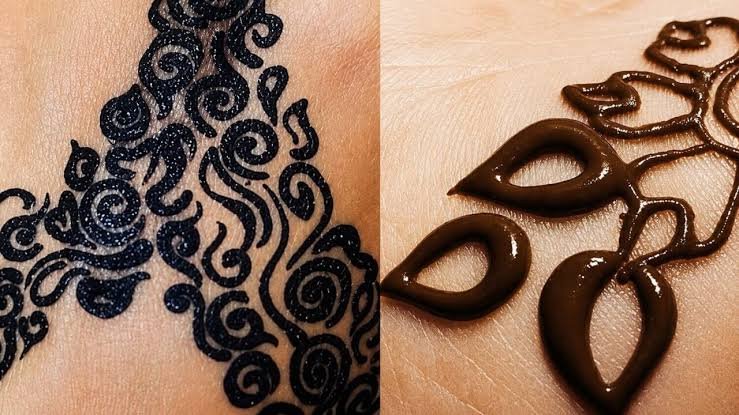
One major difference is between pure henna and products sold as black henna. Pure henna is made from the dried leaves of the henna plant and naturally produces shades ranging from orange to reddish brown. It does not normally turn hair jet black within a few minutes.
Black henna is different. Some products marketed as black henna contain para phenylenediamine, commonly known as PPD, to produce a much darker colour quickly. PPD is a chemical commonly used in some hair dyes, but applying products containing high concentrations of it directly to the skin can cause serious allergic reactions.
People may experience itching, redness, burning, swelling or rashes after exposure to PPD. In people who become sensitised, later exposure to PPD in hair dyes or other products can also trigger a strong allergic reaction. This is why products advertised as giving an instant black colour deserve particular caution.
The colour itself can also offer a useful clue. Pure henna generally leaves an orange, copper or reddish tone rather than an immediate deep black shade. If a product promises very dark black colour within a short time, checking the ingredient list becomes especially important.
Another point often overlooked is that the word henna on a packet does not automatically mean the product contains only natural henna. Some commercial mixtures combine henna with other colouring ingredients. Reading the label and buying from a reliable source can therefore be more useful than relying only on the product name.
A patch test is commonly recommended before using hair colouring products because an allergic reaction is possible even when someone has used similar products before without problems. However, a patch test cannot guarantee that a product will never cause a reaction. Anyone who has previously experienced a reaction to hair dye or PPD should take extra care and consider speaking with a dermatologist before using a new colouring product.
For people looking for a traditional henna treatment, choosing a product that clearly identifies its ingredients and contains pure henna powder can be a sensible option. It is also worth remembering that natural does not automatically mean suitable for everyone. Individual sensitivity can occur with plant based products as well.
If burning, swelling, severe itching or another strong reaction develops after applying henna or a hair colouring product, the product should be removed and medical advice should be sought promptly.
The growing popularity of quick colouring products makes it easy to overlook what is actually inside the packet. Taking a moment to check the ingredients and understand the difference between pure henna and black henna can help people make a more informed choice for their hair and skin.