Does Goat Milk Increase Platelets During Dengue? Here Is What Experts Say
Goat milk is often promoted as a traditional remedy for dengue related platelet drops, but there is no established evidence that it can quickly raise platelet counts.
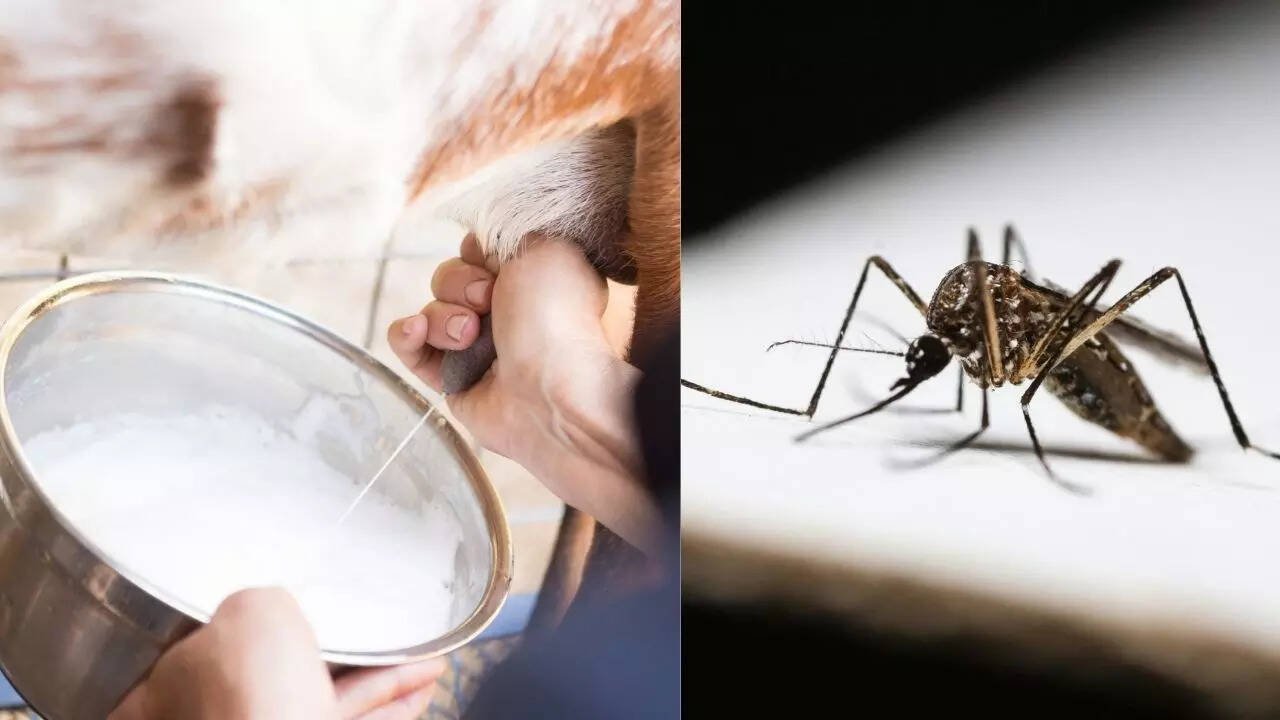
Goat milk has not been proven to rapidly increase platelets.
Dengue care mainly focuses on fluids and medical monitoring.
Warning signs require prompt medical attention.
Goat Milk and Dengue
Dengue cases often become a concern when blood tests show falling platelet counts. During this period, families may turn to traditional remedies, with goat milk being one of the most commonly discussed options.
However, there is no reliable clinical evidence showing that drinking goat milk can rapidly increase platelet levels in people with dengue. A falling platelet count is part of the illness in some patients and should be assessed along with other blood results and symptoms rather than treated with a particular food.
The World Health Organization says there is no specific medicine that cures dengue itself. Management focuses on monitoring the patient, maintaining adequate fluids and identifying signs that the illness is becoming severe.
Goat Milk Still Has Nutritional Value
This does not mean goat milk has no nutritional value. Like other dairy products, it can provide nutrients and may be included in the diet if the patient can tolerate it.
But nutrition and dengue treatment are two different things. Drinking goat milk should not be considered a substitute for medical care, blood tests or the treatment plan recommended by a doctor.
The same caution applies to other foods or drinks that are promoted as quick ways to increase platelets. A food may be nutritious without having a proven ability to change platelet counts during dengue.
What Should Dengue Patients Actually Do
Keeping the patient adequately hydrated is an important part of dengue care. Depending on the person’s condition, doctors may recommend oral fluids and electrolyte solutions. Rest is also important while the body recovers. WHO guidance emphasizes adequate fluid intake and appropriate monitoring during dengue illness.
Blood counts may also need to be monitored according to the patient’s condition. A platelet result should not be considered in isolation because doctors also look at symptoms, hydration, haematocrit and other clinical findings when assessing the risk of severe dengue.
Know the Warning Signs
Dengue can become serious, particularly around the time the fever starts to settle. Severe abdominal pain, persistent vomiting, bleeding, unusual drowsiness or restlessness, breathing difficulty and very little urine are among the warning signs that need urgent medical attention.
Patients should also avoid taking medicines such as aspirin or ibuprofen unless a doctor specifically advises otherwise, because these medicines can increase bleeding risk in dengue.
So, while goat milk can be consumed as a food if it suits the patient, there is no good reason to rely on it as a platelet boosting treatment. For someone with dengue, proper hydration, rest, medical advice and timely monitoring remain far more important than any single home remedy.