
RBI Monetary Policy Committee Begins Review With Repo Rate Expected to Stay Unchanged
The Reserve Bank of India has started its three day monetary policy meeting with economists expecting the Monetary Policy Committee to retain the current repo rate amid inflation and global uncertainties.
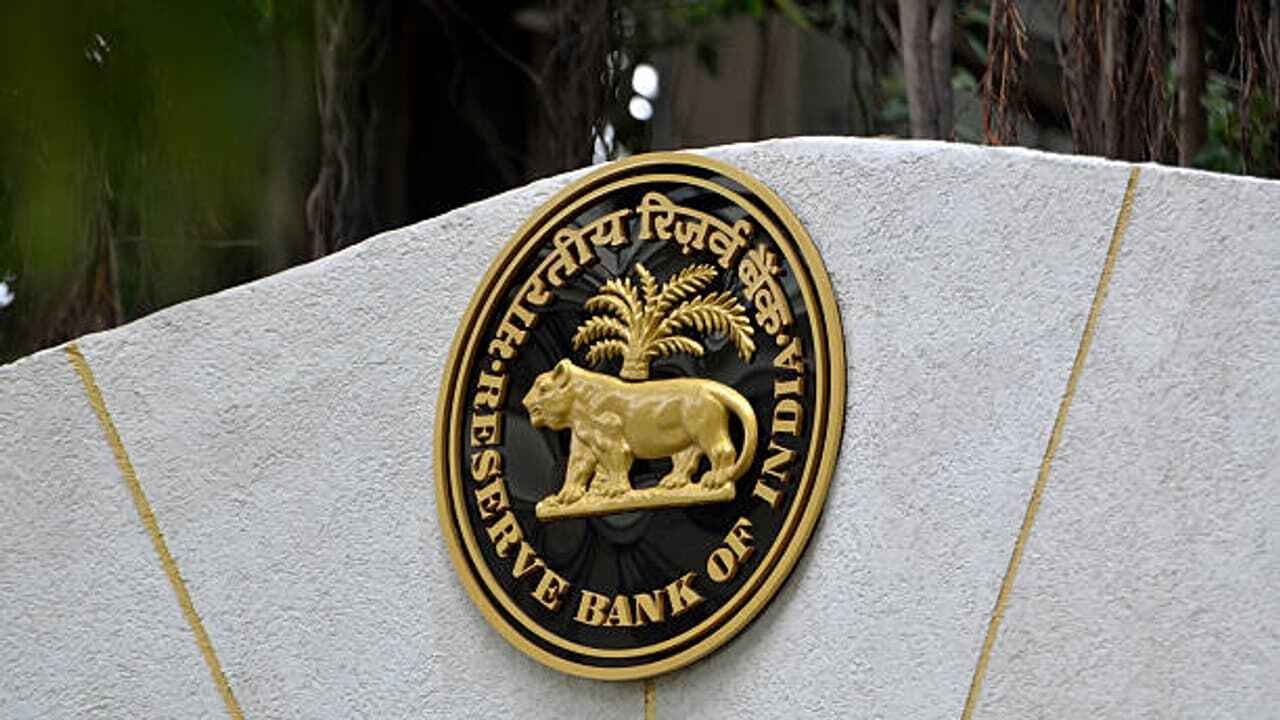
The Reserve Bank of India has commenced its three day Monetary Policy Committee meeting, with the financial sector closely watching for the central bank’s next policy decision. RBI Governor Sanjay Malhotra is scheduled to announce the outcome of the review on August 5 after the committee concludes its deliberations.
Most economists believe the committee is unlikely to reduce the repo rate during this policy cycle. Instead, policymakers are expected to maintain the existing interest rate while evaluating inflation trends, global economic developments and domestic financial conditions before considering any further easing.
The RBI had adopted a similar approach during its previous policy review in June, when the committee kept the repo rate unchanged at 5.25 percent. At that time, officials cited uncertainty arising from geopolitical tensions and volatility in global energy markets as reasons for maintaining the existing monetary stance.
Since then, the central bank has revised its economic projections to reflect changing conditions. The retail inflation forecast for the 2026 27 financial year was raised from 4.6 percent to 5.1 percent, while the GDP growth estimate was lowered from 6.9 percent to 6.6 percent, indicating a more cautious outlook for the economy.
Economists also point to continuing volatility in crude oil prices, fluctuations in currency markets and geopolitical uncertainty as key factors influencing the committee’s thinking. Concerns over rainfall patterns and their potential impact on food inflation are also expected to play an important role in the policy discussion.
Market participants now await the RBI Governor’s announcement for fresh guidance on inflation management, interest rates and the central bank’s economic outlook. Analysts believe the committee may prefer policy stability until there is greater clarity on global risks and domestic inflationary pressures.