
Crude Oil Prices Rise Above 107 Dollars as Middle East Tensions Escalate
Brent crude crossed 107 dollars a barrel as growing tensions in the Middle East raised fresh concerns about oil supplies, shipping routes and disruptions across the Gulf region.
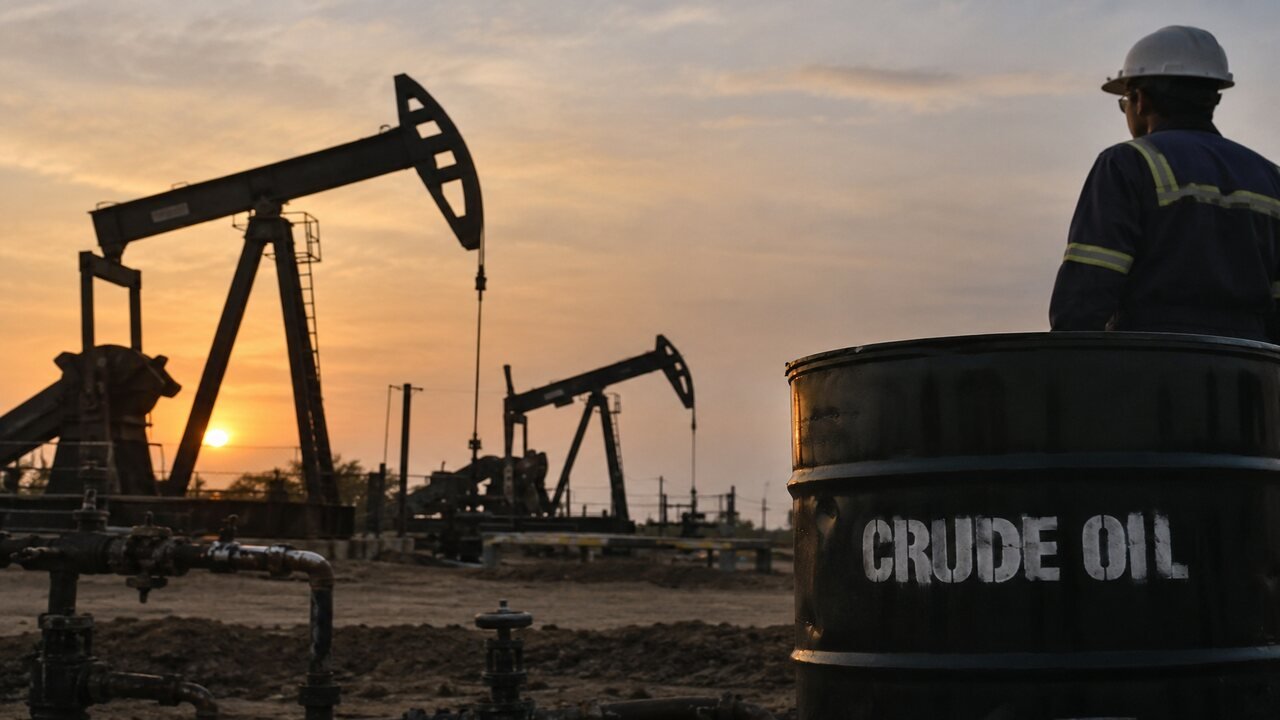
International crude oil prices moved sharply higher on Monday as worsening tensions in the Middle East brought supply concerns back into focus. Brent crude for November delivery rose 3.20 percent to 107.82 dollars a barrel, while the US benchmark West Texas Intermediate for October delivery also gained 3.20 percent to reach 103.20 dollars.
The latest rise follows the upward movement seen last week, with traders closely watching developments around the Gulf and the Strait of Hormuz. Any disruption along the important shipping route could have a direct impact on global oil supplies, keeping markets on edge.
Concerns increased after a commercial vessel was attacked in the Strait of Hormuz on Sunday. Iranian officials said one person was killed and three others were injured in the incident. The attack added to worries over the safety of ships travelling through the region.
There have also been developments affecting oil infrastructure. Saudi Arabia reportedly temporarily shut its East West pipeline following drone attacks. Iran, meanwhile, has tightened restrictions on vessels passing through the Strait of Hormuz and instructed ships to obtain permission before entering the waterway.
The situation has become more complicated with military action involving the United States and Iran. The United States carried out attacks along the Iranian coast as tensions over control of the strategic waterway continued. Talks between Iran and Gulf countries that were expected to take place through Oman have also been postponed.
The market has already seen a substantial increase from the low levels recorded in early August. Brent crude is now more than 30 percent higher than those levels. The renewed fighting followed the failure to reach a lasting agreement between the United States and Iran, adding another layer of uncertainty for the global energy market.
Saudi Arabia’s lower oil production is also attracting attention. The country reported crude output of around 6.2 million barrels per day to OPEC in August. That was its lowest monthly production level of 2026 and represented a 23 percent decline compared with July.
For oil consuming countries, a prolonged rise in crude prices could increase pressure on fuel costs and broader inflation. Markets are therefore watching both the security situation in the Gulf and any signs of disruption to production or shipping.
With tensions showing no clear signs of easing, traders are likely to remain sensitive to developments around the Strait of Hormuz and major oil producing countries. Any further disruption could keep crude prices under pressure and add to uncertainty in global markets.