India Marks Major Railway Milestone With Successful Hydrogen Train Trial
India successfully completed the trial of its first indigenously developed hydrogen train, demonstrating cleaner railway technology, lower fuel consumption, reduced emissions, and a significant step toward sustainable and self reliant rail transportation.
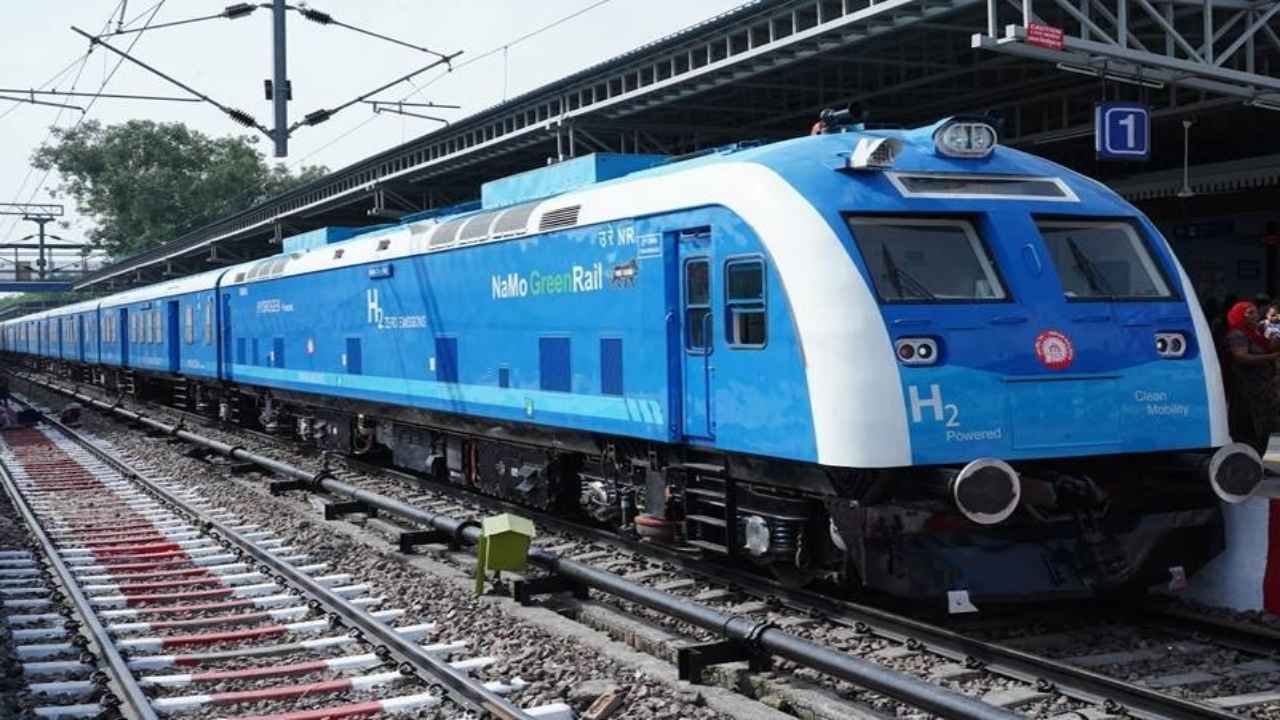
India has reached a significant milestone in railway innovation after successfully completing the trial run of its first indigenously developed hydrogen train. The achievement marks an important step in the country’s efforts to introduce cleaner and more sustainable rail transport while strengthening homegrown technology.
The experimental train operated successfully on the Jind to Sonipat route, covering more than 1200 kilometres during the trial. According to the Ministry of Railways, the project helped save nearly 3200 litres of diesel, highlighting the potential of hydrogen powered trains to reduce dependence on conventional fuels.
Unlike diesel powered locomotives, the hydrogen train generates electricity through a chemical reaction between hydrogen and oxygen. Instead of releasing harmful carbon emissions, the system produces only water vapour, making it one of the most environmentally friendly railway technologies currently available.
The train is equipped with two hydrogen power cars capable of producing a combined output of 2400 kilowatts. It also features hydrogen storage cylinders and lithium iron phosphate batteries that support efficient and reliable operation throughout the journey.
Railway officials said the successful trial is expected to pave the way for further testing on the Delhi route in the coming months. The expansion of these trials will help evaluate the technology under different operating conditions before wider deployment.
Railway Minister Ashwini Vaishnaw said the hydrogen train has been developed entirely with indigenous technology, reflecting the vision of a self reliant India. He added that India retains the intellectual property rights for the technology, creating opportunities to share and export the innovation to other countries in the future.