
Why Smartphones Are Getting Expensive in India and Should You Wait for Prices to Drop
Smartphone prices in India are rising due to AI features, 5G adoption, costly chips, and global supply issues. Buyers are now confused whether waiting will actually bring any real price drop.
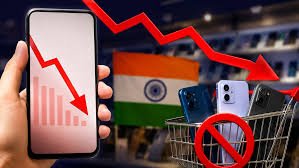
The smartphone market in India has changed rapidly over the last few years. Devices that once fit comfortably within a budget of ten to fifteen thousand rupees are now harder to find with the same set of features. Earlier, users could easily get good battery life, decent cameras, and smooth performance in this range, but today that segment feels more limited. Many phones that were once considered mid range have now moved into higher pricing categories, making customers question the reason behind this steady rise.
One of the biggest reasons for this price increase is the growing cost of hardware. Modern smartphones now come with advanced processors, high quality camera systems, fast refresh rate displays, and integrated 5G support. Along with this, artificial intelligence based features are becoming a standard part of new devices. These technologies require more powerful components and expensive development, which naturally pushes the final price higher.
Another major factor is the global demand for memory chips and processors. Companies like Qualcomm and other chip manufacturers are facing high demand and limited supply. As AI driven features expand, smartphones require even more memory and advanced chips, increasing pressure on the entire supply chain. This shortage has influenced pricing across brands, forcing several companies to adjust the cost of their existing models.
The impact of global supply chains cannot be ignored either. Many key smartphone components such as processors, camera modules, and memory units are sourced from different countries. Fluctuations in raw material costs, shipping expenses, and international trade tensions all contribute to rising production costs. Ultimately, these added expenses are passed on to consumers in the form of higher phone prices.
Consumer expectations have also changed significantly. Smartphones are no longer just communication tools. They are now used for photography, gaming, online payments, video editing, and even work related tasks. To meet these growing demands, companies are investing heavily in better design, stronger security features, long term software updates, and cloud based services. All these improvements add to the overall cost of devices.
When it comes to the future, price reductions are not clearly guaranteed. Premium and flagship smartphones are unlikely to become cheaper soon due to constant innovation and added features. However, budget and mid range phones may see some relief if chip supply issues stabilize and manufacturing becomes more efficient.
There is also hope from increasing local production in India. If more companies set up manufacturing units within the country, it could reduce import dependence and help control prices over time. Seasonal offers and festive discounts may still provide temporary relief for buyers, but a major price drop across the market will depend on global supply stability and production improvements.