Philippines Earthquake: Philippines Earthquake Death Toll Rises as Doctors Treat Patients Outdoors
Philippines Earthquake: A powerful earthquake in the Philippines has left dozens dead and hundreds injured, forcing hospitals to move patients outside while rescue teams struggle with ongoing aftershocks.
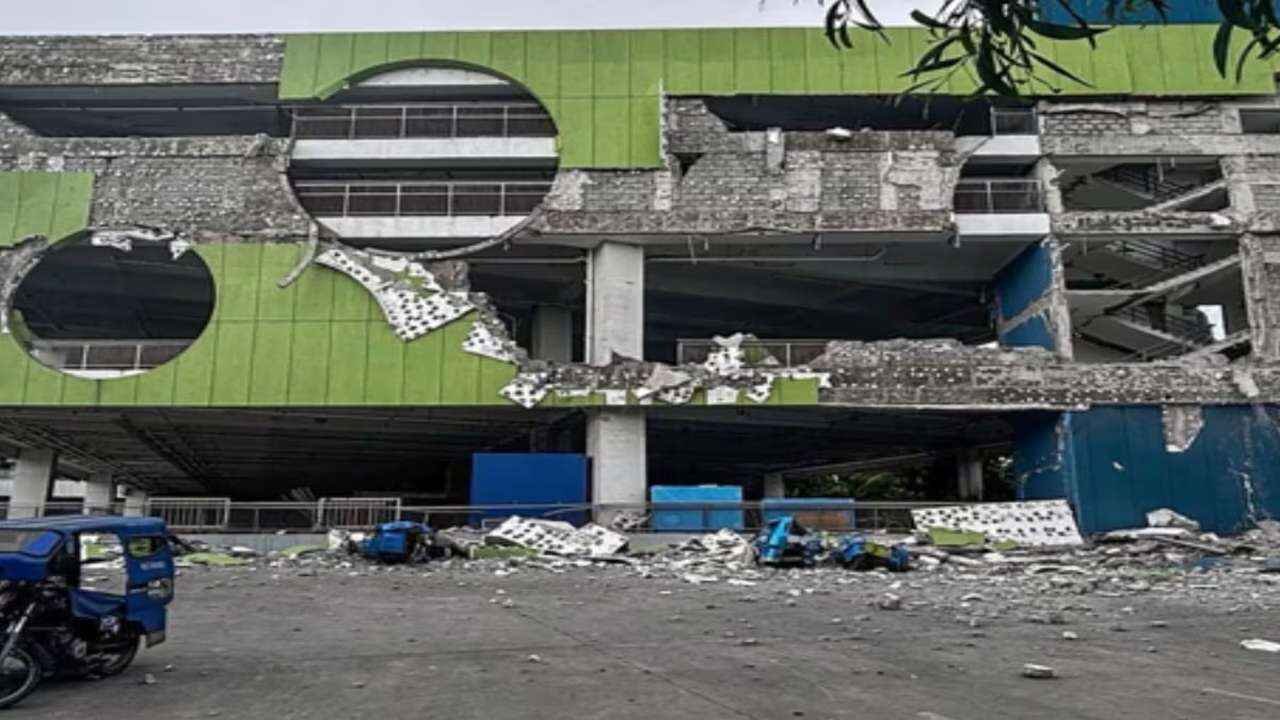
Philippines Earthquake: The aftermath of a devastating earthquake in the Philippines is revealing heartbreaking scenes across affected regions, where damaged hospitals, collapsed buildings, and disrupted transport networks have left communities struggling to recover. As rescue efforts continue, the death toll has climbed to 41, while more than 450 people have been reported injured.
Medical services have been pushed to their limits after several healthcare facilities suffered structural damage. In many areas, doctors and nurses have been forced to set up temporary treatment centers in open spaces and tents to care for injured survivors. Engineers declared parts of some hospital buildings unsafe, prompting authorities to move patients outdoors for their safety.
One of the most emotional moments emerged when a pregnant woman delivered a healthy baby in a temporary medical camp after being evacuated from a damaged hospital. Amid the chaos and uncertainty, the newborn’s arrival brought a rare moment of hope to families and medical workers.
The 7.8 magnitude earthquake struck the southern Mindanao region, causing widespread destruction. Thousands of residents were displaced after homes, schools, commercial buildings, and public infrastructure suffered extensive damage. Many families are now spending nights in open areas, fearing additional tremors.
Rescue teams continue searching for survivors trapped beneath collapsed structures. However, repeated aftershocks are making operations extremely dangerous. Emergency responders equipped with rescue dogs are carefully working through debris while monitoring ongoing seismic activity.
In Sarangani and nearby areas, damaged roads and collapsed bridges have cut off access to several communities. Helicopters have become the primary means of transporting emergency supplies and rescue personnel to isolated locations.
A deadly landslide triggered by the earthquake buried several people in Glan municipality, adding to the growing casualty count. Local hospitals in the area were also affected, forcing healthcare workers to treat dozens of patients outside damaged facilities.
The earthquake initially triggered tsunami warnings for parts of the Philippines and neighboring Indonesia, prompting large scale evacuations along coastal areas. Authorities later withdrew the alerts after the threat subsided. Reports indicated only minor sea level disturbances along parts of the Pacific region.
Officials warn that the situation remains critical as aftershocks continue and rescue teams race against time to locate missing individuals. Recovery efforts are expected to take weeks as affected communities begin rebuilding after one of the country’s deadliest natural disasters in recent years.