Apple AI Breakthrough Wearable Data May Detect Pregnancy and Health Changes Early With Smart Devices
A new Apple research model analyzes daily activity from watch and iPhone data to predict pregnancy infections and health disorders with high accuracy while still remaining in experimental clinical stage
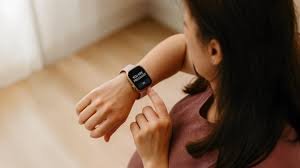
A major development in wearable health technology has emerged from ongoing research linked to Apple’s ecosystem, suggesting that everyday activity data collected from devices like the Apple Watch and iPhone may soon help detect early health changes with remarkable accuracy. The study indicates that even conditions such as pregnancy could potentially be identified through behavioral patterns alone.
At the center of this research is a new system known as the Wearable Behaviour Model or WBM. Developed under the Apple Heart and Movement Study, the model is designed to analyze real world user behavior such as walking patterns, sleep cycles, heart rate changes, and movement routines. Instead of relying on medical tests, it interprets natural lifestyle signals to understand possible health shifts.
Researchers describe this approach as a step beyond traditional sensor tracking. The model does not collect new biological samples but instead studies continuous behavioral data. Subtle changes like reduced walking speed, disturbed sleep, or irregular heart rhythms are used as early indicators of potential health conditions. In some cases, the system may detect warning signs even before the user notices any symptoms.
The findings from the study are based on data from wearable devices including the Apple Watch and iPhone activity logs. According to researchers, the model has shown the ability to recognize up to 57 different health related conditions. These include sleep disorders, infections, fatigue patterns, anxiety signals, and even lower back pain indicators.
One of the most striking results from the research is its reported accuracy in detecting pregnancy, which reaches up to 92 percent in controlled analysis. It also shows around 76 percent accuracy for identifying infections and about 85 percent for sleep related issues. These outcomes are derived entirely from behavioral trends rather than clinical examination.
Despite the excitement, this technology is not yet part of consumer devices. It remains in the clinical research stage and is being tested as part of Apple’s broader health studies. Experts involved in the project suggest that future software updates for iOS and watchOS could potentially integrate similar AI based health monitoring features, but no official rollout has been announced.
The significance of this development lies in how health monitoring is evolving. Instead of focusing only on heart rate or step counts, artificial intelligence is beginning to understand long term behavioral patterns. This shift could transform preventive healthcare by identifying risks earlier and helping users respond before conditions become serious.
Researchers also emphasize that privacy remains a priority in the study. The data used for training the model is anonymized and encrypted, ensuring that personal identity is protected throughout the analysis process.