
President Approves Appointment of Five New Supreme Court Judges
The Supreme Court will welcome five new judges after presidential approval, increasing its strength to 37 and bringing fresh representation and diversity to the country's highest court.
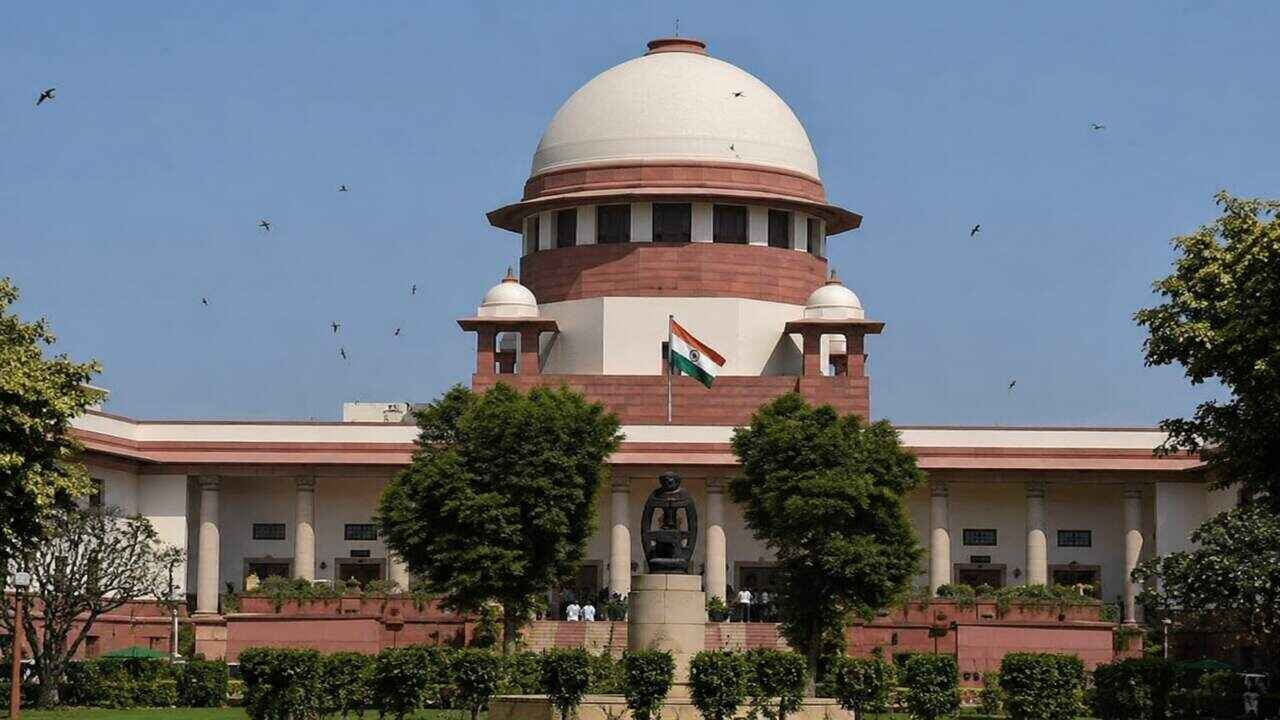
The Supreme Court of India is set to expand its judicial strength after President Droupadi Murmu approved the appointment of five new judges recommended by the Supreme Court Collegium. The appointments mark a significant development in the country’s judicial system and are expected to strengthen the functioning of the apex court.
According to an announcement by the Union Law Ministry, the newly appointed judges are scheduled to take the oath of office at 10.30 am. The swearing in ceremony will be administered under the leadership of the Chief Justice of India.
With these appointments, the total number of judges in the Supreme Court will increase to 37, bringing the court closer to its sanctioned strength. The move comes at a time when discussions on judicial appointments and the collegium system continue to attract national attention.
The five newly appointed judges include Chief Justice Sheel Nagu of the Punjab and Haryana High Court, Chief Justice S S Shinde of the Bombay High Court, Chief Justice Sanjeev Sachdeva of the Madhya Pradesh High Court, Chief Justice Arun Palli of the High Court of Jammu and Kashmir and Ladakh, and Senior Advocate Venkata Subramani Mohan.
The appointments also bring notable changes to the composition of the Supreme Court. With the elevation of Senior Advocate V Mohan, the number of women judges in the apex court has risen to two. Her appointment is being viewed as an important step toward greater gender representation in the judiciary.
Another significant aspect of the latest appointments is the growing presence of legal professionals elevated directly from the Bar. The number of judges appointed to the Supreme Court from the advocates’ community has now increased to twelve, reflecting a broader mix of judicial and legal experience at the highest level.
The appointments have also created a historic milestone in terms of regional representation. For the first time, Jharkhand has secured representation in the Supreme Court, making the development noteworthy for the state’s legal fraternity and citizens.
Despite their elevation to the apex court, none of the newly appointed judges are expected to become Chief Justice of India in the future because of age related considerations and the existing seniority structure.
The Supreme Court’s composition is likely to undergo further changes soon, as two judges are scheduled to retire later this month. Their retirement is expected to create additional vacancies, prompting fresh recommendations from the collegium in the near future.