Nvidia’s New Plan Could Turn Homes Into Mini AI Data Centers With Free Utility Benefits
Nvidia is exploring a unique AI infrastructure model that could help homeowners reduce monthly electricity and internet expenses while supporting growing demand for computing power across networks.
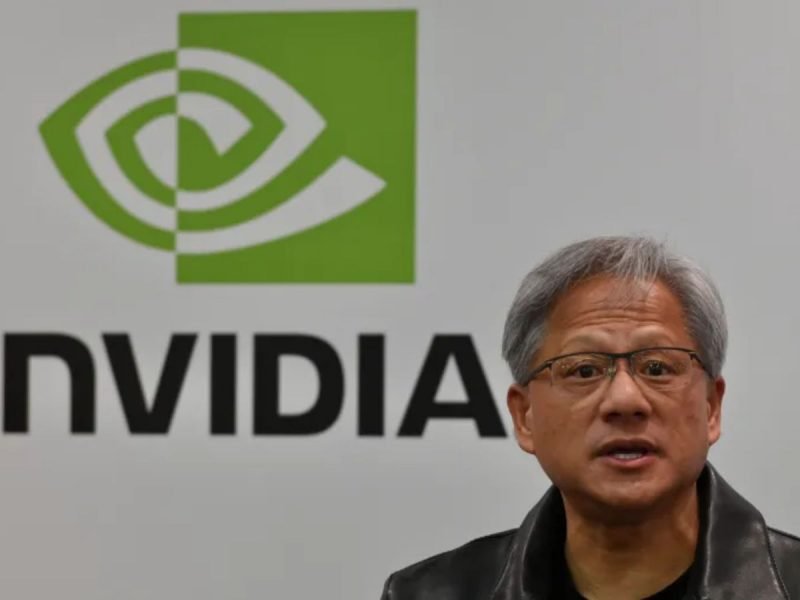
The rapid growth of artificial intelligence is pushing technology companies to search for new ways to expand computing capacity. In an unexpected move, chip giant NVIDIA has partnered with energy technology company SPAN to test a system that places compact AI computing units at residential properties. The concept is designed to create a distributed network of computing power without relying entirely on massive traditional data centers.
According to information released about the project, homeowners who participate could receive benefits such as discounted or fully covered electricity and internet bills. The system, known as XFRA, uses underutilized power capacity available in homes and small commercial properties to run AI workloads. Instead of constructing large facilities that require years of planning and power approvals, companies aim to spread computing resources across thousands of smaller locations.
The technology relies on compact computing nodes installed near a home’s electrical infrastructure. These units are expected to contain powerful AI hardware, including enterprise grade graphics processors and advanced server components. The hardware is designed to perform demanding AI tasks while operating quietly through liquid cooling systems. Developers say the units are intended to work without disrupting normal household electricity usage.
One of the biggest attractions for homeowners is the promise of lower utility expenses. Project partners have stated that participants may receive subsidized electricity rates, internet services, smart energy management systems and backup power solutions. Some reports have also suggested that additional monthly compensation is being considered, although final details are yet to be confirmed.
The initiative comes at a time when AI companies are facing growing challenges in securing enough power for large scale computing operations. Experts estimate that data center electricity demand will continue to rise sharply over the next several years. By using existing residential power infrastructure, companies hope to expand AI capacity more quickly while avoiding lengthy construction timelines associated with conventional facilities.
Project developers insist that the distributed model is not meant to replace traditional data centers. Instead, it is expected to complement existing infrastructure and provide additional computing resources closer to end users. The first pilot deployments are scheduled to begin with a limited number of homes before wider expansion plans move forward.
While the concept has generated excitement, industry observers have also raised questions about security, grid management and long term scalability. Nevertheless, the idea of turning residential properties into part of an AI computing network marks a significant shift in how future digital infrastructure could be built. If successful, similar models may eventually attract attention in other countries as demand for AI services continues to accelerate.