Is Henna Really Safe? Overuse May Damage Hair More Than You Think
Henna is widely used as a natural alternative for hair coloring but experts warn excessive application can lead to dryness breakage scalp issues and long term damage if not used properly
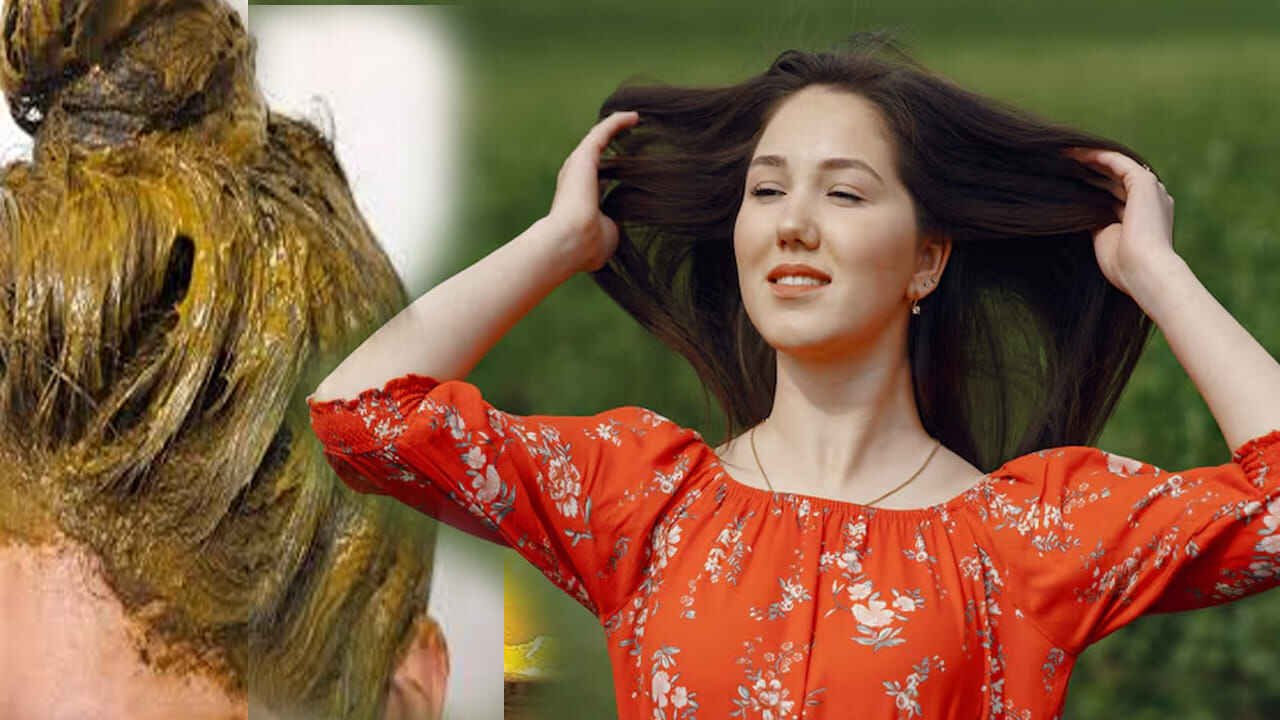
Henna has long been considered a safe and natural solution for covering grey hair, especially among people who prefer to avoid chemical based hair dyes. In recent years, as premature greying has become common due to stress, pollution, and lifestyle changes, many individuals have turned to henna as a regular part of their hair care routine. However, experts now caution that using henna too frequently or incorrectly may lead to unexpected hair damage.
While henna is natural, it is not completely risk free when overused. One of the earliest effects noticed is excessive dryness. Henna contains natural compounds that help in colouring the hair, but at the same time, it tends to absorb the natural oils and moisture from the scalp. With repeated application, hair gradually loses its softness and becomes rough and lifeless.
Interestingly, many people feel their hair becomes thicker after applying henna. This is because henna coats the outer layer of the hair shaft rather than penetrating deeply. Over time, this coating builds up, making hair feel heavier and less smooth. Instead of improving texture, continuous use often strips away the natural silky feel of the hair.
Another concern linked to frequent henna use is weakening of hair roots. When henna is applied in thick layers, it can block scalp pores and reduce airflow. This may affect oxygen supply and nutrient absorption at the root level. As a result, hair strands become weaker, leading to increased hair fall and thinning over time.
Scalp sensitivity is also an issue that should not be ignored. Although henna is natural, not everyone reacts to it the same way. People with sensitive skin may experience itching, redness, or irritation if they apply henna without doing a patch test. In some cases, it can even trigger contact dermatitis, causing discomfort and inflammation on the scalp.
Experts suggest that henna does not need to be avoided completely, but it should be used in moderation and with care. Mixing henna with moisturizing ingredients such as aloe vera gel, yogurt, or egg white can help reduce dryness and maintain hair health. Proper usage ensures that henna remains a beneficial natural option rather than a source of hair damage.