Ancient Tribal Cooking in Goa Uses Human Body Heat to Prepare Rare Mushroom Dish
A unique traditional food practice from Goa uses natural body heat instead of fire to slowly prepare a mushroom dish reflecting survival based cooking methods of tribal communities in earlier times
Food traditions across different cultures often carry surprising methods that reflect both creativity and survival skills. In earlier times, people relied completely on nature for cooking and preparation techniques, using whatever resources were available around them. Such practices may sound unusual today, but they highlight how intelligently communities adapted to their environment.
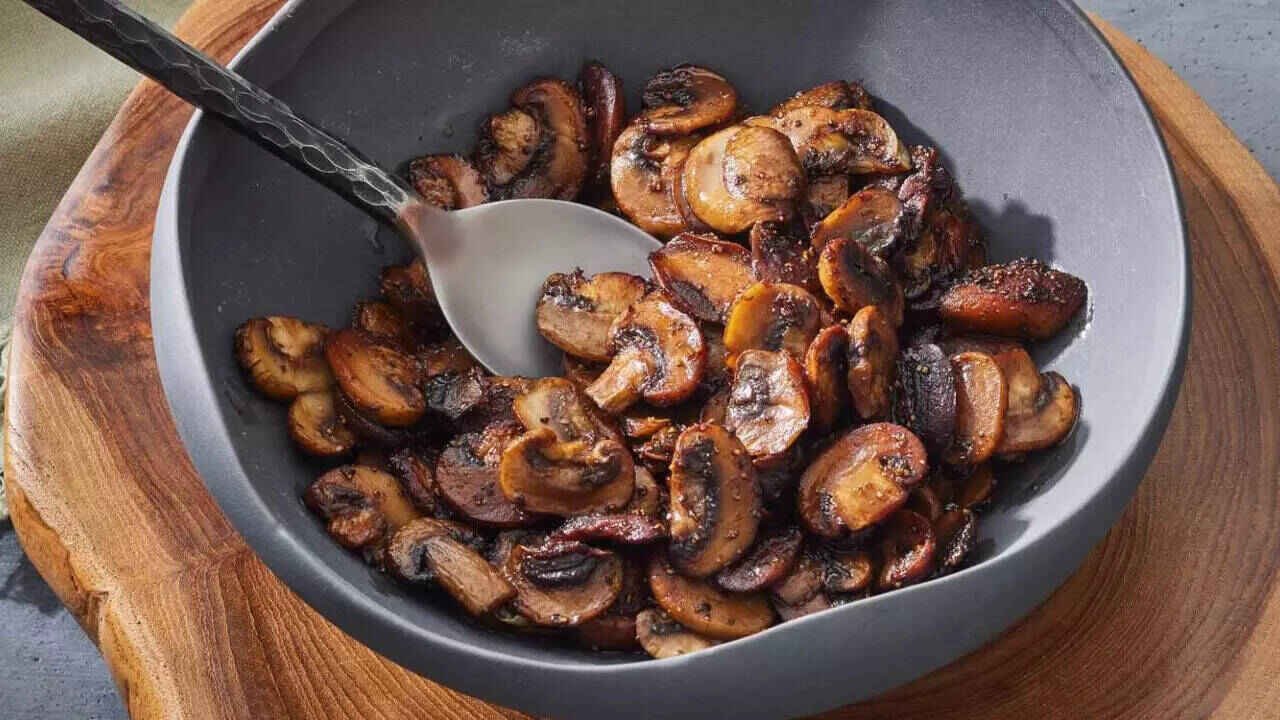
One such fascinating tradition is still remembered in parts of Goa, where a rare mushroom dish known locally as Vande is prepared in an extraordinary way. Instead of using fire or modern cooking methods, this preparation relies on the natural warmth of the human body, making it one of the most unusual culinary techniques ever documented.
This practice is traditionally associated with the Kshatriya Gaonkar community in Goa. Fresh mushrooms collected from forests are first cleaned thoroughly and wrapped in leaves. A small amount of salt is added before the wrapped mushrooms are placed under the arm. The natural heat of the human body slowly begins to soften and process the mushrooms over time.
What makes this method even more interesting is the way the mushrooms gradually change in texture and flavor due to prolonged exposure to body warmth. There is no flame, no stove, and no external heat source involved. It is purely a slow natural transformation guided by human body temperature, which gives the dish its unique identity.
In earlier generations, hunters and forest dwellers often depended on such techniques when fire was not easily available. These methods are now often described as survival cooking practices, showing how resourceful people were in extreme conditions. Even without modern tools, they managed to prepare food using simple natural principles.
Today, such rare culinary traditions continue to attract curiosity because they connect us to a time when food was deeply linked with nature and human instinct. While modern cooking has evolved significantly, these practices remain a reminder of how differently people once lived and survived using only what the environment provided.