Over Seven Lakh Upadhi Hami Job Cards Cancelled as Scheme Faces Growing Challenges
Telangana is witnessing a decline in rural employment opportunities as strict rules, migration trends and changing work patterns continue affecting participation in the Upadhi Hami scheme.
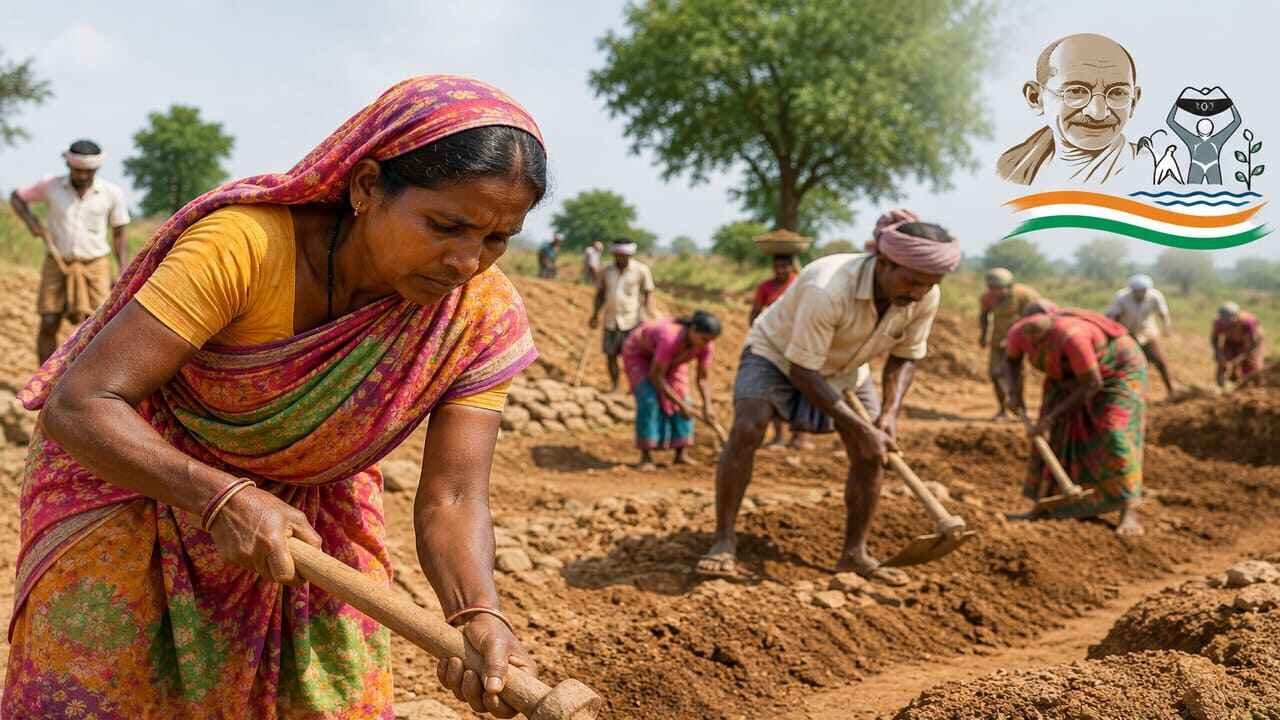
Telangana’s rural employment system is facing growing concerns as the Mahatma Gandhi National Rural Employment Guarantee Scheme gradually sees reduced participation across many districts. What was once considered a key support system for economically weaker families in villages is now showing signs of weakening due to changing conditions and stricter implementation rules.
According to available records, more than seven lakh job cards and nearly 22.28 lakh worker names have been removed from official lists in Telangana during the last six years from 2019 to 2025. Officials say the highest number of removals was recorded during the 2022 to 2023 financial year, when around 5.10 lakh job cards were cancelled.
The state currently has around 52.22 lakh registered job cards with more than 1.07 crore members enrolled. However, field level data indicates that only around 30.59 lakh card holders with nearly 49.99 lakh members are actively participating in employment works. A large section of registered workers is no longer involved in the scheme.
Several factors are believed to be contributing to this situation. Rules introduced in the name of transparency have become difficult for many workers to follow. One such condition requires workers to be photographed through an online application at work sites twice a day, once in the morning and again after lunch. Many workers reportedly find this process inconvenient.
Wage differences have also become a major concern. While private sector daily wages have increased in many regions, workers say the employment guarantee scheme has not seen similar growth in earnings. As a result, many laborers prefer private work where they can earn better income.
Migration patterns are also changing the rural workforce landscape. Increasing movement from villages to urban areas, along with administrative changes where villages are being merged into municipalities and corporations, has reduced the number of workers depending on the scheme.
For many families, the employment guarantee program has long served as a financial support system during difficult times. However, changing regulations and economic realities are now reshaping its role in rural Telangana.