
Digestive Biscuits Hidden Risks Why Doctors Warn They Are Not as Healthy as They Seem
Many people believe digestive biscuits are a healthy snack option, but experts warn that regular consumption may quietly harm health, especially for those with heart disease or diabetes due to hidden fats and refined ingredients
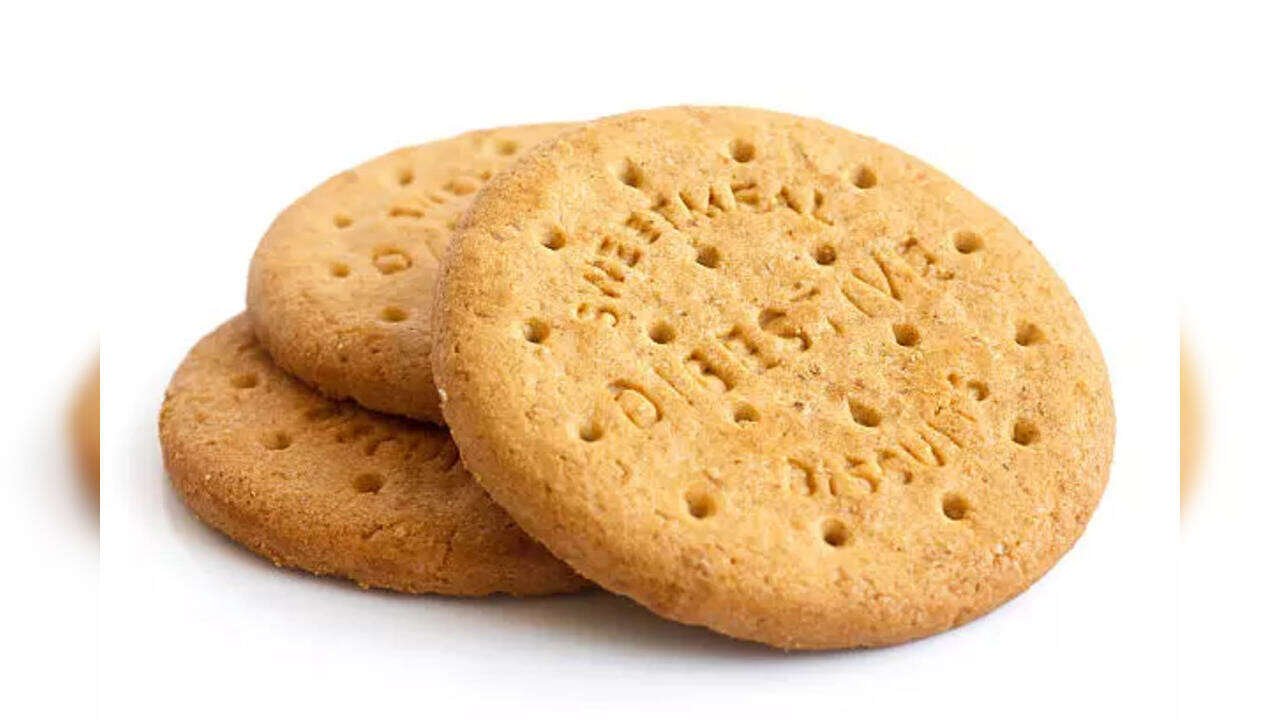
Digestive biscuits have gained a strong reputation in the market as a healthier alternative to regular snacks. Many people, especially those trying to manage weight or diabetes, often choose them with tea, assuming they are making a smart food choice. However, this common belief is now being questioned by health experts, including cardiologists, who say these biscuits may not be as harmless as they appear.
According to doctors, including heart specialist Dr Bimal Jhajer, most digestive biscuits available in stores are still highly processed foods. They are typically made using refined flour, added sugars and low quality vegetable oils or fats. Despite the healthy sounding name, they do not actually support digestion or provide meaningful nutritional benefits.
One of the biggest misconceptions is that these biscuits are diet friendly. In reality, reading the label is essential before assuming they are healthy. Many packaged versions contain ingredients similar to regular biscuits, making them far from a clean snack option. Experts suggest that people should carefully check nutrition labels instead of trusting marketing claims.
The concern becomes clearer when looking at their nutritional breakdown. For example, just two biscuits can weigh around 30 to 40 grams and may contain approximately 140 to 180 calories. They can also include nearly 20 grams of carbohydrates and about 7 grams of fat. This means a significant portion of the biscuit comes from fats and refined carbs, while fiber and protein remain very low.
In fact, in many cases, digestive biscuits offer only about 2 grams of fiber and a similar amount of protein per serving, which is not enough to provide any real health benefit. Instead of supporting digestion, they may contribute to unwanted calorie intake, especially when eaten regularly under the impression that they are healthy.
Experts emphasize that even though these biscuits may seem better than cream biscuits or sugary wafers, they still fall under processed packaged foods. Consuming them daily can slowly add excess fats and carbs to the diet, which may negatively affect heart health and metabolism over time.
Doctors strongly advise that people with lifestyle conditions like diabetes or heart issues should be especially cautious. Snacks that appear healthy on the surface can sometimes be misleading, and digestive biscuits are a common example of this confusion.
The key takeaway is simple. Digestive biscuits should not be treated as a free or health boosting snack. They are still processed foods, and moderation along with awareness of ingredients is essential before making them a regular part of the diet.