
Wrinkles Around Eyes: Why Fine Lines Appear and What Helps
Fine lines around the eyes can develop naturally with age, facial movements and sun exposure, while daily sun protection, moisturising and appropriate skincare may help maintain healthier skin.
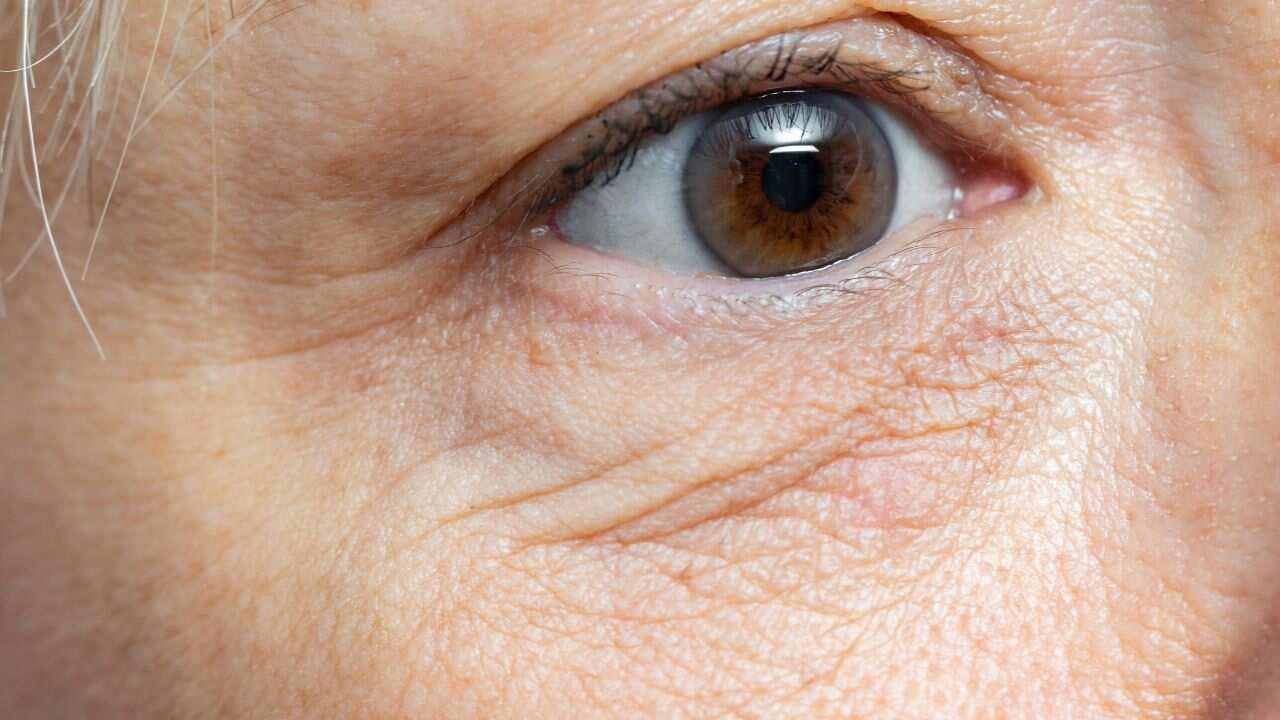
Small lines around the corners of the eyes are common and can become more noticeable when a person smiles, squints or makes other facial expressions. These lines are often called crow’s feet or fine lines, and they can develop as part of normal changes in the skin.
Age is only one factor behind these changes. Repeated facial movements, ultraviolet exposure, dry skin, genetics and smoking can also influence how early fine lines become visible. Some people naturally develop them earlier than others, so their appearance is not necessarily a sign of a problem.
One reason these lines become more noticeable over time is that skin gradually changes with age. Collagen and elastin production decreases, while the skin can become thinner and drier. As a result, it may not return to its previous shape as easily after repeated facial movements.
Sun exposure is another important factor. Ultraviolet radiation can damage collagen and elastin in the skin, contributing to premature skin ageing. Regular exposure without adequate protection can therefore make fine lines and other visible signs of ageing appear earlier.
Daily sun protection is one of the simplest habits that can help protect the skin. A broad spectrum sunscreen with SPF 30 or higher is generally recommended for exposed skin. People spending extended periods outdoors can also use shade, sunglasses and hats as additional protection.
Moisturising can also make a visible difference when the skin is dry. Dehydrated skin can make small lines appear more noticeable, while a suitable moisturiser helps maintain the skin barrier and retain moisture. However, moisturiser cannot completely remove established wrinkles.
Retinoids are another option that dermatologists may recommend for certain skin concerns. These vitamin A based ingredients can support skin cell turnover and collagen related processes, potentially improving the appearance of fine lines over time.
Retinoids are not suitable for everyone and can cause dryness, irritation or sensitivity, particularly when introduced too quickly. Anyone considering a retinoid should use an appropriate product correctly and seek professional advice when needed. Retinoids should not be used during pregnancy.
Lifestyle habits can also influence overall skin health. Avoiding tanning, protecting the skin from excessive sunlight, not smoking and maintaining a consistent skincare routine can help reduce factors associated with premature skin ageing.
It is also worth avoiding an overly complicated skincare routine. Using several active products at the same time can irritate the skin, especially around the eyes where the skin is relatively delicate. New products are better introduced carefully rather than adding many products at once.
If fine lines become a significant cosmetic concern, a dermatologist can assess the skin and discuss suitable options. Depending on the individual situation, professional treatments can include prescription retinoids, chemical peels, laser procedures or other treatments.
Botulinum toxin injections are another treatment that doctors may use for certain expression related lines. Such procedures require professional assessment because the appropriate treatment depends on the person’s skin, the location of the lines and the desired outcome.
There is no single treatment that works equally well for everyone. The cause of the lines, skin type, previous skincare routine and individual circumstances all need to be considered before choosing a treatment.
Home remedies and cosmetic products should also be viewed realistically. They may improve hydration or make fine lines appear less noticeable, but there is no reliable home method that can guarantee complete removal of established wrinkles.
For everyday care, protecting the skin from ultraviolet radiation and keeping it moisturised are practical starting points. A gentle routine is often preferable to repeatedly changing products in search of quick results.
Fine lines around the eyes are generally a normal part of how skin changes over time. They can be influenced by genetics, facial expressions, age and environmental exposure. Rather than trying to eliminate every line, consistent skin protection and appropriate care can help maintain the skin’s health.