Simple Ways to Protect a Tulsi Plant From Ants
Ants around a Tulsi plant can sometimes indicate other pests nearby, so checking the leaves, controlling moisture and improving the pot setup can help protect the plant naturally.
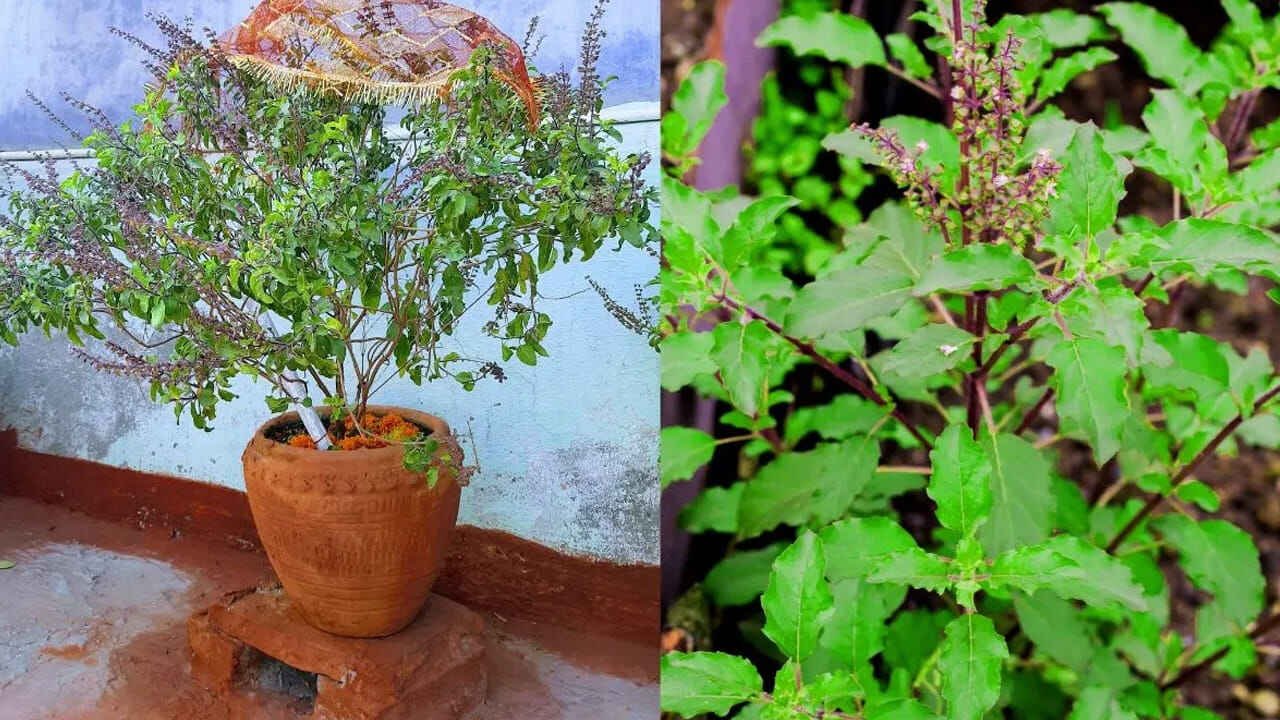
A Tulsi plant can look healthy one week and start losing its freshness the next. One common problem noticed by home gardeners is a steady stream of ants moving around the pot, stems and leaves. While ants themselves may not always be the main cause of plant damage, their presence can sometimes point to another pest problem.
Sap sucking insects such as aphids, mealybugs, scale insects and whiteflies feed on plant juices. These insects can produce a sweet substance called honeydew, which attracts ants. As a result, a plant covered with ants may actually have an insect infestation that needs attention.
The first step is to inspect the Tulsi plant carefully. Look underneath the leaves and around the tender stems, as these are places where small pests can remain unnoticed. Sticky leaves, curled growth or clusters of tiny insects can be signs that the plant needs treatment.
For a mild infestation, washing the plant with a gentle stream of clean water can help remove some insects from the leaves and stems. A spray bottle can be useful for smaller plants. The water should be gentle enough not to damage tender leaves or break young branches.
It is also important not to keep the soil constantly wet. Tulsi needs water, but excessive moisture can create problems with the roots and can contribute to poor plant health. Allowing the upper layer of soil to dry somewhat between watering can be helpful, depending on the weather and growing conditions.
Drainage is equally important. The pot should have proper drainage holes so excess water can escape instead of remaining around the roots. A container that stays waterlogged can weaken the plant and make it more difficult for the roots to remain healthy.
The ants own route into the pot should also be checked. They may be travelling from a nearby wall, floor, plant or other surface. Moving the Tulsi pot slightly away from structures that provide an easy path can sometimes reduce the number of ants reaching it.
Keeping the area around the pot clean can also make a difference. Fallen leaves, food particles and other organic material should not be allowed to collect near the container. Removing such material reduces places where insects and ants may gather.
If the insect problem continues, simply removing the ants may not solve the underlying issue. The sap sucking pests need to be addressed as well. Regularly checking the leaves can help catch an infestation before it becomes severe.
For a plant grown at home, avoiding unnecessary chemical treatments can be useful, particularly when the leaves are regularly handled or used in household traditions. Physical removal and water washing can be considered for small infestations, while persistent pest problems may require advice from a local nursery or gardening professional.
In severe cases, the condition of the soil and roots should also be examined. If ants have established a nest inside the pot and the plant is showing signs of serious decline, repotting may be considered.
When repotting becomes necessary, the plant should be removed carefully to avoid damaging the roots. The old soil can be replaced with a clean, well draining potting mixture and the plant can then be placed back into a suitable container.
Sunlight is another basic requirement that should not be overlooked. Tulsi generally grows well with plenty of light, although the exact amount needed can vary with the local climate and growing conditions. A bright location with suitable sunlight can support healthier growth.
There is no single secret trick that guarantees a Tulsi plant will remain free from ants. Healthy soil, appropriate watering, good drainage, adequate light and regular inspection work together to keep common problems under control.
If ants suddenly appear in large numbers, checking for aphids, mealybugs or other sap sucking insects should be one of the first steps. Addressing the reason behind the ants can be more useful than simply trying to remove the ants from the pot.
With a little regular attention, many Tulsi problems can be identified early. Keeping the plant clean, avoiding excessive watering and maintaining suitable growing conditions can help it remain healthy without relying on unnecessary chemical treatments.