Simple Kitchen Tips to Stop Cut Potatoes From Turning Dark
Cut potatoes can quickly turn brown after being exposed to air, but simple kitchen methods such as cold water, refrigeration and limited air exposure can help maintain freshness.
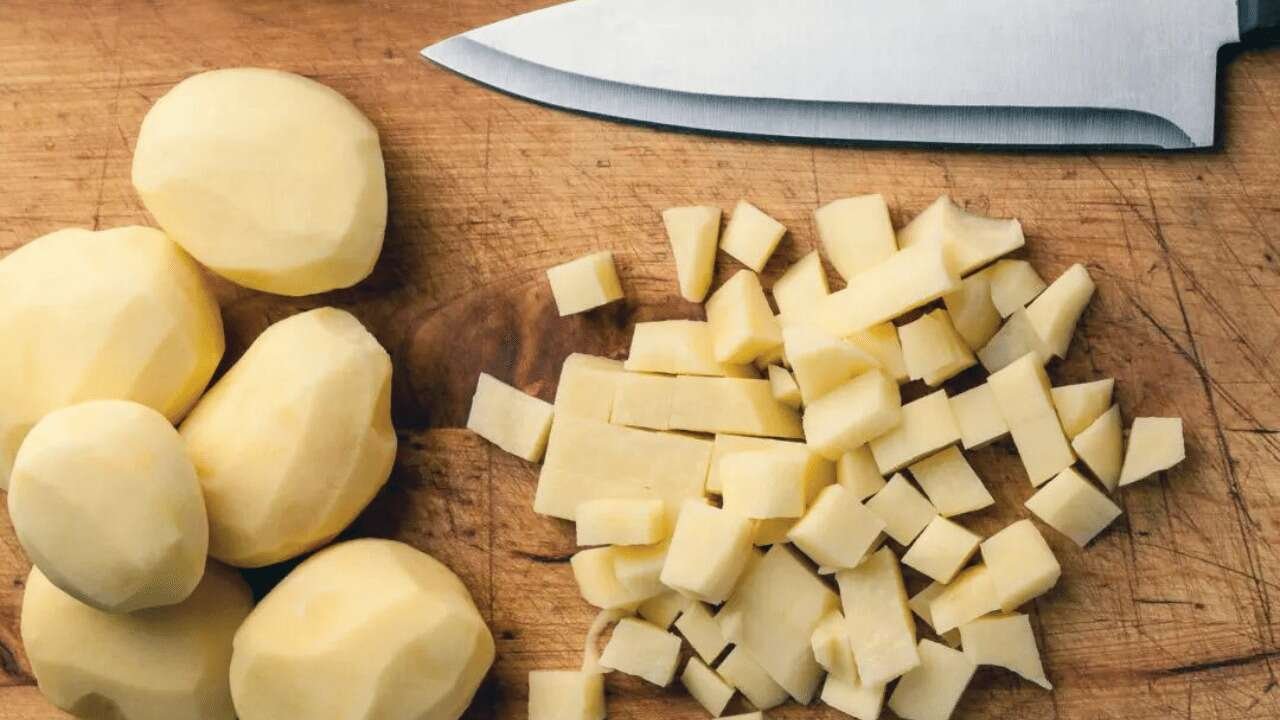
Potatoes are one of the most frequently used vegetables in Indian kitchens. From curries and fries to snacks and breakfast dishes, they fit into countless recipes. Since peeling and chopping takes time, many people prepare potatoes in advance and keep the pieces ready for cooking.
The problem appears soon after cutting. Fresh potato pieces that looked perfectly normal while being chopped can start developing a brown or dark surface within a short period. This change can make the vegetables look less appealing, even though the colour change does not automatically mean that the potatoes have spoiled.
The main reason behind this change is exposure to air. Once the potato is cut, its internal tissues come into contact with oxygen. Naturally occurring enzymes in the potato then take part in a chemical reaction that causes the exposed surface to become brown.
This process is known as enzymatic browning. It is a common reaction seen in several fruits and vegetables after they are cut. The change in colour is mainly an appearance issue and does not necessarily indicate that the potato has become unsafe to eat.
One of the easiest ways to slow the process is to place the freshly cut potatoes in cold water. The water limits direct contact between the potato surface and air, helping to slow browning.
The potato pieces should be completely covered by the water. If they need to be kept for some time before cooking, the container can be covered and placed in the refrigerator.
Cold water can also help remove some of the surface starch from the cut pieces. This can be useful when preparing potatoes for certain cooking methods, although the main benefit here is reducing exposure to air.
Another option is to add a small amount of lemon juice or vinegar to the water. The mild acidity can slow the enzymatic browning reaction and help the potato pieces retain a lighter appearance for longer.
Only a small amount is generally needed. Adding too much acidic ingredient can affect the flavour of the potatoes, particularly if they are going straight into a dish where their natural taste is important.
Reducing air exposure is another useful approach. If cut potatoes need to be stored without being submerged in water, they can be placed in a suitable airtight container or sealed food storage bag. Removing as much excess air as practical before sealing can reduce contact with oxygen.
Refrigeration can provide an additional layer of protection when potatoes are prepared ahead of time. Keeping cut potatoes covered and chilled slows the reactions that contribute to browning.
However, storing prepared potatoes for too long is not ideal. If the potatoes have developed an unpleasant smell, slimy texture or other clear signs of spoilage, they should not be used simply because their colour has been preserved.
For everyday cooking, the simplest option is often to cut potatoes shortly before they are needed. This avoids unnecessary storage and means the pieces can go directly into the cooking process.
If advance preparation is necessary, placing the pieces in cold water and keeping the covered container refrigerated can be a practical kitchen routine. Lemon juice or a little vinegar can be added when appropriate, especially when maintaining the light colour is important for the final dish.
It is also worth remembering that every recipe does not require perfectly white potato pieces. Slight browning after cutting is a natural reaction and does not automatically mean the vegetable has gone bad.
With a few simple habits, however, the colour change can be reduced. Keeping cut potatoes away from air, using cold water and refrigerating them when necessary can help them look fresher until it is time to cook.