
Swallowed a Lemon Seed by Mistake Here Is What Usually Happens
Accidentally swallowing a lemon seed while drinking juice or eating food is usually harmless, as the digestive system moves the seed through naturally without allowing a tree to grow inside the body.
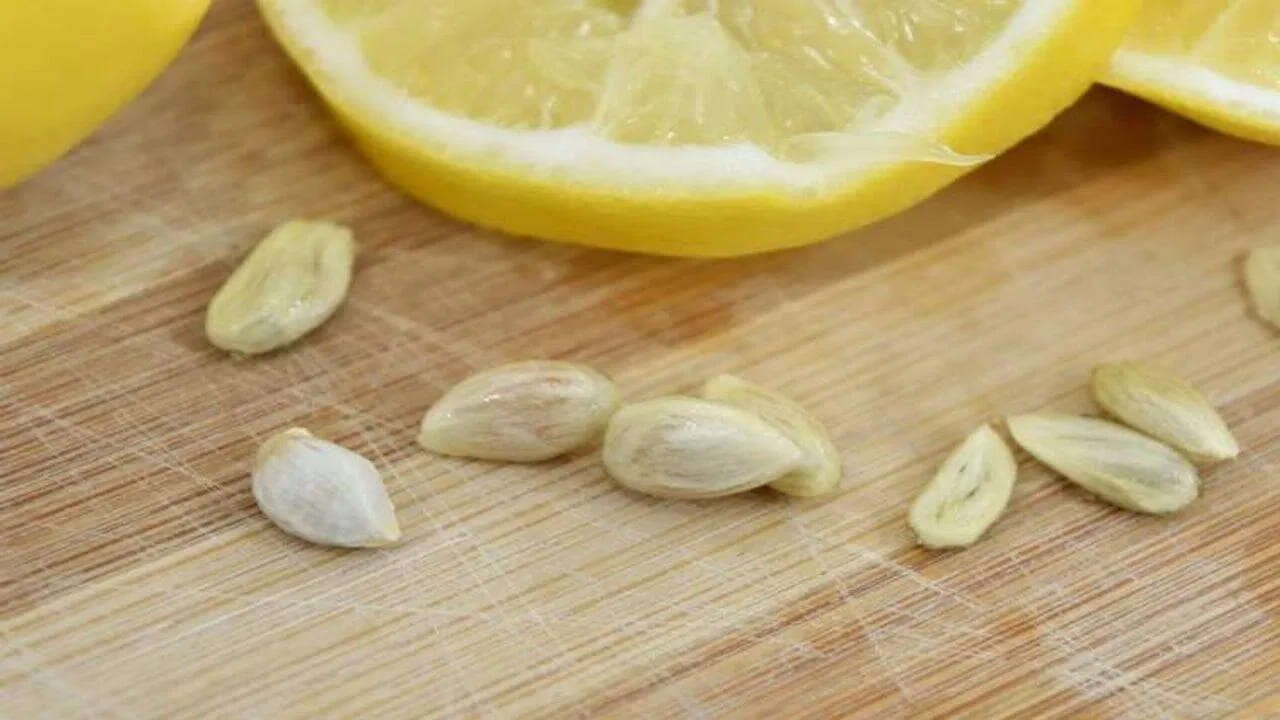
Accidentally swallowing a lemon seed can cause a brief moment of worry, especially for people who remember the childhood joke that a seed could grow into a plant inside the stomach. In reality, that does not happen. The digestive system is not an environment where a lemon seed can simply grow into a tree.
For most people, swallowing one or two lemon seeds by mistake is not considered a reason to panic. The seed travels through the digestive tract along with other food and is normally eliminated from the body through the stool.
Lemon seeds are relatively hard, so they may not be completely broken down during digestion. Stomach acid and digestive enzymes process food in the digestive system, but a hard seed may pass through largely unchanged.
This is why noticing a seed in the food later is not unusual. The body does not need to dissolve every piece of food completely before it can move through the digestive system.
There is also no need to deliberately chew or eat lemon seeds for their supposed nutritional benefits. Lemon seeds contain small amounts of plant compounds, but they are not an essential part of a healthy diet.
Some sources mention antioxidants and other naturally occurring compounds in citrus seeds. However, the presence of these compounds does not mean that eating lemon seeds provides a special health benefit. A normal diet containing fruits, vegetables and other nutritious foods already provides a wide range of useful nutrients.
The bitter taste of lemon seeds is another reason most people naturally avoid eating them. When a seed accidentally enters a glass of lemon juice or gets swallowed while eating, there is generally no need to take any special action if the person feels well.
The situation is slightly different with young children. Small hard objects can present a choking risk, particularly when a child is eating or drinking without close supervision. Parents and caregivers should therefore remove visible seeds before giving citrus fruits or juices to young children.
The number of seeds swallowed also matters. Accidentally swallowing a single seed is very different from deliberately consuming a large quantity. Eating a large number of hard seeds at once could potentially cause digestive discomfort, although such situations are uncommon.
Some people may also experience temporary stomach discomfort after swallowing something hard. Mild nausea or abdominal discomfort can have many causes and does not automatically mean that the seed has caused a serious problem.
One important point is that a person should not try to make themselves vomit simply because a lemon seed was swallowed accidentally. If there are no symptoms, the usual approach is simply to let the digestive system handle it naturally.
Medical attention becomes more important if a person develops significant symptoms after swallowing an object. Difficulty breathing, persistent choking, severe pain, repeated vomiting or trouble swallowing should not be ignored.
For everyday situations, however, an accidentally swallowed lemon seed is usually much less alarming than it may initially seem. The digestive tract moves swallowed material forward, and the seed will generally leave the body naturally.
The old childhood idea that a fruit seed will sprout inside the stomach is simply a myth. Seeds require suitable conditions for germination, while the human digestive system provides a very different environment.
So, if a lemon seed slips into your mouth while having lemon juice or eating a dish and you accidentally swallow it, there is usually no reason to worry. The important thing is to avoid deliberately eating large quantities and to take extra care when children are consuming citrus fruits or drinks.