Chukkakura Offers Antioxidants and Nutrients for Eye and Skin Health
Chukkakura is a tangy leafy vegetable that provides vitamin C, vitamin A, iron, potassium and antioxidants, supporting eye health, immunity, skin health and overall nutrition when eaten with moderation.
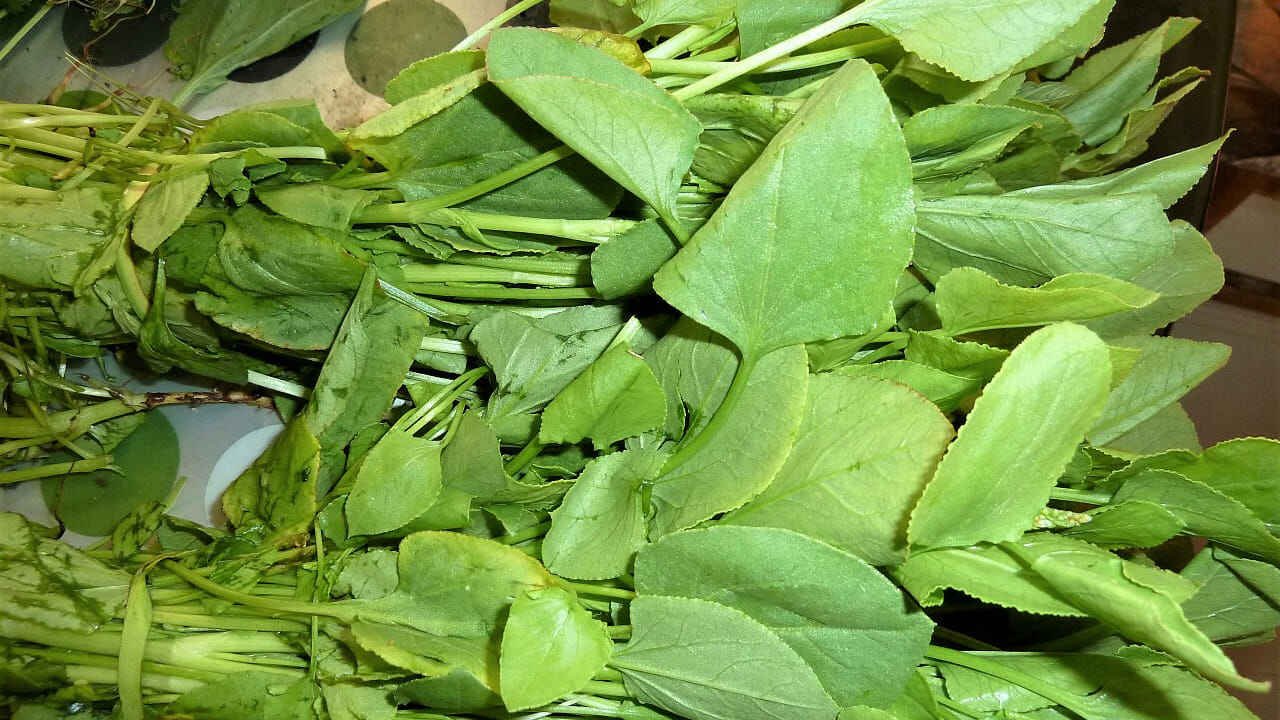
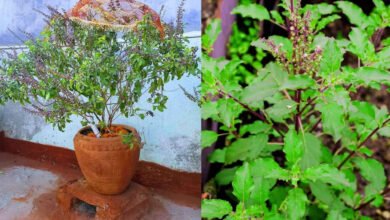
Chukkakura is a familiar leafy vegetable in Indian kitchens, valued for its distinctive sour taste and its nutritional content. It can be prepared as a curry, added to other dishes or used in different traditional recipes.
One of the notable nutrients found in chukkakura is vitamin C. This vitamin acts as an antioxidant and plays an important role in normal immune function. It is also involved in collagen production, which is essential for maintaining the normal structure and strength of skin.
Because of this, including vitamin C rich foods in a balanced diet can support healthy skin. However, eating chukkakura should not be considered a guaranteed way to remove wrinkles or reverse signs of ageing. Skin health depends on several factors, including genetics, sun exposure, sleep, nutrition and overall lifestyle.
Chukkakura also contains vitamin A, a nutrient that is important for normal vision and immune function. Vitamin A has a particularly important role in maintaining healthy eyes and supporting normal vision in low light conditions.
The leafy vegetable also contributes minerals such as iron. Iron is needed to produce haemoglobin, the protein in red blood cells that carries oxygen throughout the body. Getting enough iron through the diet is important for normal energy metabolism and reducing the risk of iron deficiency.
However, chukkakura should not be considered a treatment for anaemia by itself. People who have been diagnosed with iron deficiency may need medical evaluation and advice about appropriate dietary or medical treatment.
Potassium and magnesium are other minerals found in leafy vegetables such as chukkakura. These nutrients are involved in several important functions in the body, including normal muscle and nerve activity. Potassium also contributes to maintaining normal blood pressure.
These minerals make leafy greens a useful part of a varied diet. They can complement other vegetables, pulses, grains and protein rich foods rather than being treated as a single food that can provide every nutrient the body needs.
Another reason chukkakura attracts attention is its antioxidant content. Plant foods contain different naturally occurring compounds, including polyphenols and flavonoids. These compounds can help the body deal with oxidative stress.
Antioxidants are often discussed in relation to protection from chronic diseases. However, it would be inaccurate to say that eating chukkakura alone can prevent conditions such as heart disease or cancer. Long term health is influenced by many factors, including diet, physical activity, tobacco exposure, sleep and genetics.
The sour taste of chukkakura is one of its most recognisable features. Its tangy flavour can make ordinary meals more interesting without requiring complicated preparation. For many households, this is one reason the vegetable continues to be included in traditional cooking.
Chukkakura can be cooked in different ways depending on personal preference. Some people prepare it as a simple leafy curry, while others combine it with pulses or other vegetables. Cooking methods can affect the final nutrient content, so a varied approach to preparing vegetables can be useful.
There is also a common belief that leafy vegetable juices can remove toxins from the body. The human body already has organs such as the liver and kidneys that handle waste and unwanted substances. Drinking chukkakura juice should therefore not be described as a special detox treatment.
One important point is often overlooked when discussing the benefits of chukkakura. The vegetable contains oxalates. For most healthy people, eating a normal amount as part of a varied diet is generally different from consuming very large quantities.
People who have a history of certain kidney stones, particularly stones associated with calcium oxalate, may need to pay attention to their oxalate intake. Anyone with kidney stone problems should discuss suitable dietary choices with a doctor or qualified dietitian rather than completely changing their diet based on general health claims.
For others, chukkakura can be one of several nutritious vegetables included in regular meals. Combining it with a variety of vegetables, pulses, whole grains and other foods can provide a broader range of nutrients.
The main benefit of chukkakura is not a single miracle property. Its value comes from the combination of vitamins, minerals and plant compounds it contributes to the diet. Its sour flavour also makes it an easy addition to traditional meals.
As with any food, moderation and variety matter. Chukkakura can support a nutritious eating pattern, particularly when it is prepared as part of balanced meals. People with specific medical conditions, food sensitivities or kidney stone concerns should seek personalised advice before making major dietary changes.