Tamarind Storage Tips to Keep It Fresh for Longer
Tamarind can last much longer with proper storage, especially during humid weather, when moisture can make it sticky, dark, mouldy, or unpleasant before you expect it
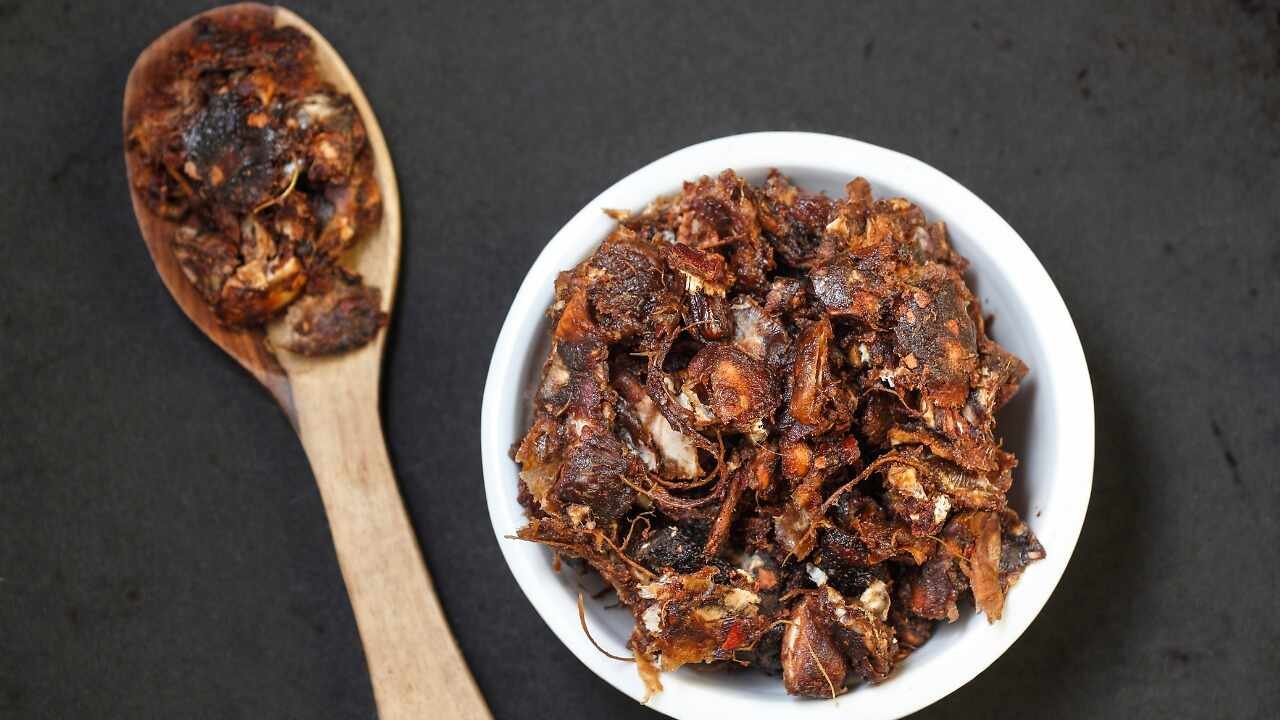
Tamarind is one of those ingredients that quietly sits in many Indian kitchens and becomes important whenever dal, sambar, rasam or pulusu is prepared. Since it is used regularly, many households prefer buying a larger quantity and storing it for several months.
The problem usually begins when moisture gets involved. During humid weather, especially in the rainy season, stored tamarind can become soft and sticky. Poor storage conditions can also contribute to changes in colour, unpleasant smells and mould growth.
A few simple storage habits can help maintain the quality of tamarind for longer. The key is to keep moisture away and avoid repeatedly exposing the entire quantity to air.
One useful step is to prepare the tamarind before putting it away. If the tamarind contains seeds, they can be removed before storage. Cleaning and sorting the ingredient also gives you an opportunity to remove pieces that already appear damaged or unsuitable for keeping.
The container matters as well. A clean, completely dry airtight glass container is a practical choice for storing tamarind. The container should have a properly fitting lid so that humid air does not repeatedly enter.
A traditional clean and dry storage vessel can also be used if it keeps moisture and outside air away. Whatever container is selected, it should be completely dry before the tamarind is placed inside.
Moisture is the biggest issue to watch during storage. Wet hands or a damp spoon should never be used to take tamarind from the storage container. Even small amounts of moisture introduced repeatedly can affect the quality over time.
Another simple trick is to avoid opening the main storage container several times a day. If a large quantity has been purchased, keep most of it sealed and transfer a smaller portion into a separate container for regular cooking.
This approach reduces unnecessary exposure of the entire supply to air and moisture. It also makes everyday cooking easier because the smaller container can be kept within easy reach.
For households that have purchased a particularly large quantity, making tamarind pulp can be another convenient option. The tamarind can be soaked in warm water and the pulp separated from the seeds and fibres.
The prepared pulp can then be placed in a clean airtight container and refrigerated. Another option is to divide the pulp into smaller portions before refrigeration, allowing only the required quantity to be taken out when cooking.
Refrigerated tamarind pulp can be convenient for dishes that require tamarind regularly. However, clean preparation and proper refrigeration are important because adding water changes the product from relatively dry tamarind into a more perishable preparation.
It is also important to inspect stored tamarind before using it. A noticeable mould growth, unusual smell or clearly spoiled appearance is a reason to discard the affected food instead of trying to remove only the visible portion.
Tamarind that has simply become darker or harder is not automatically spoiled, since colour and texture can naturally change during storage. However, obvious mould, an unusual odour or signs of deterioration should not be ignored.
The storage area also makes a difference. Keep the container in a cool, dry place away from direct sunlight and sources of heat. A cupboard that remains dry and clean is generally more suitable than an area exposed to steam from cooking.
For everyday use, the basic routine is quite simple. Keep the main supply tightly sealed, use dry utensils, avoid unnecessary handling and maintain a separate smaller portion for frequent cooking.
Buying tamarind in larger quantities can be convenient, but good storage starts from the moment it reaches the kitchen. Removing unwanted seeds and damaged pieces, choosing a suitable dry container and controlling moisture can help preserve its quality.
If the tamarind develops visible mould or a distinctly unpleasant smell, it is safer to discard it rather than risk using spoiled food. A little care during storage can make this familiar kitchen ingredient easier to keep and ready whenever a recipe needs its distinctive sour flavour.