Rainy Season Carrots: Is Cooking Them Safer Than Eating Raw
Carrots are nutritious vegetables, but during the rainy season, careful washing and proper cooking can reduce contamination risks while making them easier for many people to digest at home safely.
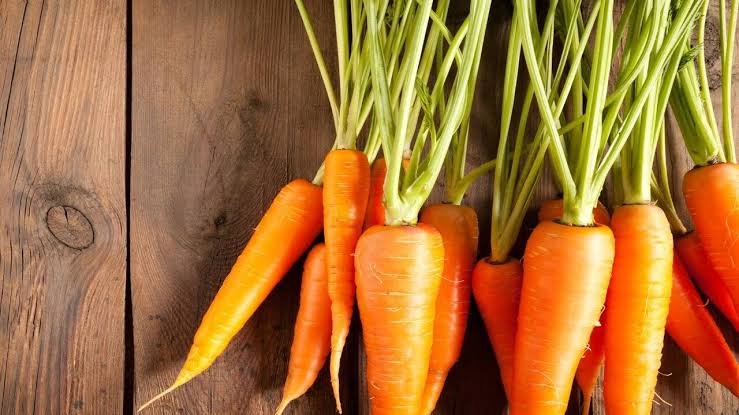
Carrots are a regular part of salads, snacks and home cooked meals, and many people prefer eating them raw. The vegetable is known for its beta carotene, fibre, potassium and other nutrients. However, when the weather turns wet, the way vegetables are cleaned and prepared becomes particularly important.
Carrots grow underground, which means soil can remain on their surface even after they are harvested. During the rainy season, contaminated soil or water can increase the possibility of harmful microorganisms reaching fresh produce. This does not mean that every raw carrot is unsafe, but it does make proper cleaning an important step before eating.
For people who regularly eat carrots straight from the refrigerator or add them to salads, washing deserves extra attention. Simply giving a carrot a quick rinse may not remove all dirt or microorganisms from its surface. Scrubbing the vegetable properly under clean running water is a better approach.
Peeling the carrot can also remove the outer layer where dirt may remain. However, peeling should not replace proper washing. The vegetable should be cleaned before and after peeling as appropriate, while knives, chopping boards and other utensils should also be kept clean to avoid transferring contamination.
Cooking provides another practical option during the rainy season. Steaming, boiling or adding carrots to dishes such as soups, sambhar and vegetable preparations exposes them to heat and can reduce many common foodborne microorganisms. Proper cooking is therefore useful when there are concerns about contamination.
It is important, however, not to assume that cooking makes food automatically safe under every circumstance. Carrots should still be fresh, cleaned properly and handled hygienically. Cooked vegetables should also be consumed promptly or stored safely instead of being left at room temperature for long periods.
There is another reason some people may prefer cooked carrots. Heating softens the vegetable and changes its texture, which can make it easier to chew and digest. People who experience digestive discomfort after eating large amounts of raw vegetables may find cooked carrots more comfortable.
Cooking can also affect the availability of some nutrients. Heat softens the plant tissues in carrots and can improve the bodys access to beta carotene. Adding a small amount of healthy fat to a meal containing carrots can also support the absorption of fat soluble carotenoids.
At the same time, cooking does not mean that every nutrient becomes more available. Some nutrients can decrease with prolonged heating, particularly when vegetables are cooked for a long time in large quantities of water. Gentle cooking methods can help preserve the overall nutritional value of the vegetable.
The claim that boiled carrots are automatically better for people with diabetes also needs some caution. Cooking does not remove the natural sugars from carrots or turn them into a special diabetes friendly food. People managing blood sugar should consider their overall meal, portion size and individual dietary advice rather than relying on one cooking method.
Raw carrots can still be included in meals during the rainy season when they have been handled properly. Wash them thoroughly under clean running water, remove damaged portions and use clean utensils. If there is uncertainty about the cleanliness of the produce, cooking it is a practical additional precaution.
Avoid using harsh cleaning chemicals on vegetables. Household soaps, detergents and disinfectants are not intended for washing food and can leave harmful residues. Clean running water and proper food handling are safer choices for ordinary household preparation.
The condition of the carrot also matters. Vegetables that are visibly spoiled, unusually soft, damaged or showing signs of mould should not be eaten simply because they can be cooked. When produce looks questionable, throwing it away is safer than trying to rescue it through cooking.
For families with children or older members, cooked carrots can be an easy addition to everyday meals. They can be mixed into soups, rice dishes, curries or other cooked preparations without requiring complicated preparation.
There is therefore no need to stop eating carrots when the rainy season arrives. The bigger issue is hygiene and preparation. Washing fresh produce properly, preventing cross contamination and cooking it when appropriate can reduce avoidable food safety risks.
For those who enjoy raw carrots, good food hygiene is the key. For others, lightly cooked carrots can offer a softer texture and a convenient way to include the vegetable in regular meals. The choice can depend on personal preference, digestion and the condition of the produce.
Carrots remain a nutritious food throughout the year. During the rainy season, a little extra attention to washing, handling and cooking can make their place in the daily diet safer and more convenient.