Fenugreek May Not Suit Everyone, Experts Warn
Fenugreek is widely used for blood sugar and digestion, but people taking certain medicines or preparing for surgery may need professional advice before regular consumption.
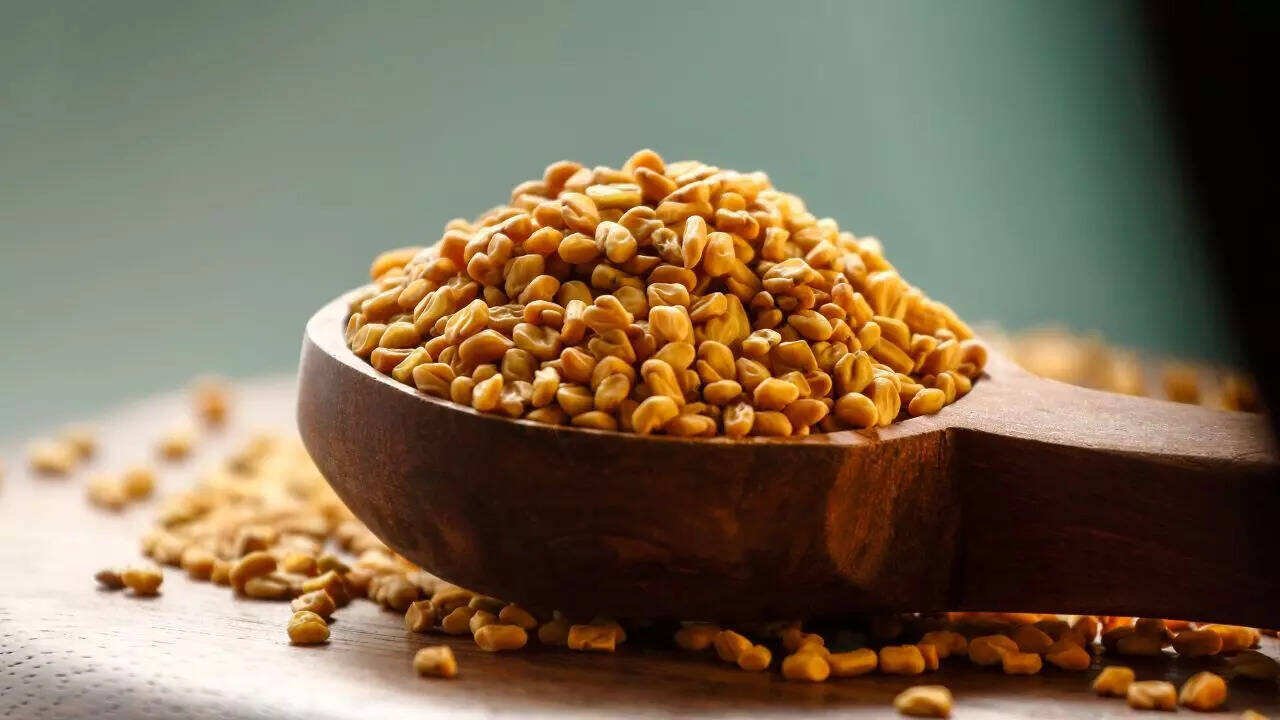
Fenugreek is a familiar ingredient in Indian kitchens, but its growing popularity as a home remedy has prompted questions about who should actually consume it regularly. Many people drink soaked fenugreek water in the morning or eat soaked seeds hoping to support weight management, blood sugar control or digestion.
The seeds contain fibre and several nutrients, including iron, magnesium, manganese and vitamin C. They are also traditionally used in various forms of food and herbal preparations. However, using fenugreek as a daily supplement is not suitable for everyone.
People with diabetes need to be particularly careful about the quantity they consume. Fenugreek may have a blood sugar lowering effect. When it is combined with diabetes medicines or insulin, there may be a possibility of blood sugar falling too low.
Anyone taking medicines such as insulin or other glucose lowering drugs should therefore discuss regular fenugreek consumption with a doctor. Monitoring blood sugar is especially important when making changes to the diet that could influence glucose levels.
Pregnancy is another situation where caution is necessary. Fenugreek taken in larger amounts or as a concentrated supplement may not be appropriate during pregnancy. Some sources have raised concerns about its potential effects on uterine activity.
Pregnant women should therefore avoid starting fenugreek supplements or concentrated preparations without medical advice. The same caution applies during breastfeeding, particularly when fenugreek is being consumed in amounts beyond normal food use.
People who are scheduled for surgery also need to inform their healthcare team about herbal products and supplements they regularly consume. Fenugreek may affect blood clotting, which can become relevant around the time of an operation.
Because of this potential effect, patients should ask their doctor or surgical team when to stop taking fenugreek before a planned procedure. Rather than following a fixed rule for everyone, the timing should be decided according to the individuals medicines, health condition and type of surgery.
The same concern applies to people who take blood thinning medicines. Fenugreek may potentially increase bleeding risk when combined with medicines that already affect clotting.
Patients taking anticoagulant or antiplatelet medicines should therefore not begin concentrated fenugreek preparations on their own. A healthcare professional can assess whether the combination is appropriate.
Digestive problems are another reason to be cautious. Fenugreek contains a significant amount of fibre, and while this may be useful for digestion for some people, larger amounts can cause unwanted symptoms in others.
People with irritable bowel syndrome or a particularly sensitive digestive system may experience bloating, abdominal discomfort or loose stools after consuming fenugreek. If symptoms repeatedly appear after taking it, reducing the amount or stopping the preparation and seeking medical advice may be appropriate.
Those taking thyroid medicines should also pay attention to how they combine their medication with high fibre foods or supplements. Fibre can affect the absorption of some medicines, although the exact effect can vary depending on the product and individual circumstances.
Instead of automatically maintaining a fixed two hour gap, people taking thyroid medication should follow the timing instructions provided for their particular medicine and discuss any regular fenugreek supplement with their doctor or pharmacist.
The growing popularity of fenugreek water has partly come from claims that it can help with weight loss and blood sugar management. While fenugreek has been studied for several potential health effects, it should not be treated as a replacement for prescribed treatment.
A food ingredient can also behave differently when consumed in normal cooking quantities compared with concentrated extracts, supplements or large daily amounts. This distinction is important when people decide to use fenugreek specifically for a health purpose.
For most people, adding fenugreek to ordinary meals is different from taking large quantities every day as a supplement. The risks and possible interactions become more relevant when consumption is concentrated or combined with medicines.
People living with long term health conditions should therefore be cautious about following health trends on social media or adopting a daily herbal routine without checking whether it is suitable for them.
Fenugreek has a long history of culinary and traditional use, but natural does not automatically mean risk free. Its effects on blood sugar, digestion and potentially blood clotting are important considerations for certain groups.
Anyone who is pregnant, preparing for surgery, taking blood thinning or diabetes medicines, or managing a chronic medical condition should seek professional advice before regularly using fenugreek in concentrated forms.
Used appropriately, fenugreek can remain part of a normal balanced diet for many people. The key is to understand the difference between using it as a cooking ingredient and taking it regularly in medicinal or supplement like quantities.