
India Passport Ranking Falls to 73rd in 2026 Global Index
India has slipped to 73rd place in the 2026 passport ranking, with easier travel access declining, while the UAE leads globally and Afghanistan remains at the bottom.
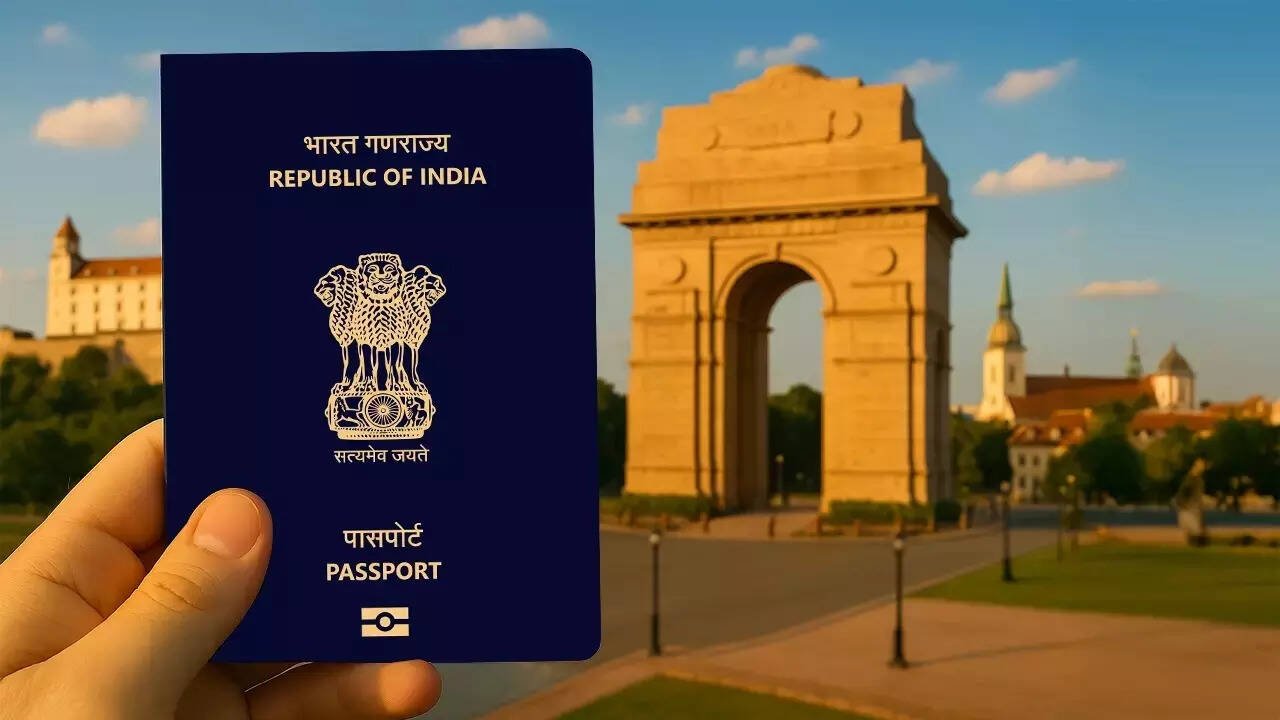
The Indian passport has moved down in the latest global passport ranking, with India now placed 73rd in the 2026 index. The country was ranked 66th last year, making this a seven place drop in the latest assessment.
India shares the 73rd position with Zimbabwe, Uganda, Uzbekistan, Sao Tome and Principe, and Vietnam. The latest figures also show a reduction in the mobility score assigned to the Indian passport.
The mobility score has fallen from 73 in 2025 to 69 in 2026. This score broadly reflects how easily passport holders can enter other countries without securing a traditional visa before travelling.
According to the latest index, Indian passport holders can travel to 25 destinations without a visa. Another 39 destinations offer visa on arrival facilities. For 129 countries, Indian travellers are required to obtain a visa before departure.
The number of destinations offering visa on arrival has also declined from 44 last year to 39 this year. That change has contributed to the lower mobility score recorded for the Indian passport.
However, the ranking needs to be understood carefully. A passport position in a private index does not automatically indicate the overall strength of a country. Such rankings generally focus on international travel access and the number of destinations available without a prior visa.
Different organisations use different methods to calculate passport rankings. Their lists can therefore produce different results for the same country. A lower position in one index should not be treated as a universal measurement of a passports value or a countrys global standing.
The latest figures also put the United Arab Emirates at the top of the index. The UAE passport has recorded a mobility score of 181. According to the ranking, its holders can enter 138 countries without obtaining a visa in advance, while another 43 destinations offer visa on arrival.
Only 17 destinations in the index require UAE passport holders to obtain a visa beforehand. The figures place the UAE at the top of this particular passport ranking.
At the other end of the table is Afghanistan. Its passport has been placed 99th with a mobility score of 35. Afghan passport holders can reportedly enter six countries without a visa and obtain a visa on arrival in another 29 destinations. Advance visas are required for 163 countries.
The comparison shows a wide difference in international travel access between passports included in the index. However, these numbers should be viewed as an assessment of visa access rather than a direct measure of economic power, military strength or diplomatic influence.
The Indian government has also previously raised an important point about such passport rankings. In a written response in the Lok Sabha on July 31, 2026, Minister of State for External Affairs Kirti Vardhan Singh said private organisations publish passport ratings using their own criteria and methodologies.
The government has stated that there is no single globally accepted standard for assigning passport rankings. As a result, an individual private index cannot automatically be treated as the official worldwide benchmark for measuring passport strength.
For Indian travellers, the practical situation is therefore more important than the position on a ranking table. Visa rules can differ significantly from one destination to another and may change over time.
A traveller may be able to enter one country without a visa, while another destination may provide a visa on arrival. Some countries require travellers to complete the visa process before boarding their flight.
Visa requirements can also depend on the purpose of travel, length of stay and immigration rules followed by the destination country. For this reason, travellers should check the latest requirements of the country they plan to visit before making arrangements.
The 2026 figures nevertheless provide an indication of how international travel access has changed for Indian passport holders under this particular index. The drop from 66th to 73rd place and the reduction in mobility score are the most notable changes compared with the previous year.
At the same time, the figures do not mean that Indian travellers have suddenly lost access to international destinations. Visa free entry and visa on arrival remain available across several countries, while requirements for individual destinations continue to depend on their own immigration policies.
The latest passport ranking therefore offers one way of looking at international mobility, but it should not be considered the only measure. The methodology used by the ranking organisation, the type of visa access offered and the latest rules announced by individual countries all matter when assessing travel options.
For anyone planning an overseas trip, checking official immigration and embassy information remains more useful than relying solely on a global ranking. Visa policies can change, and travellers need the most recent information before making bookings or starting their journey.