Soy Chunks Are Not Meat Here Is How They Are Made
Soy chunks are a popular plant based protein food made from soybeans, with a meat like texture after soaking that comes from processing rather than any animal ingredient.
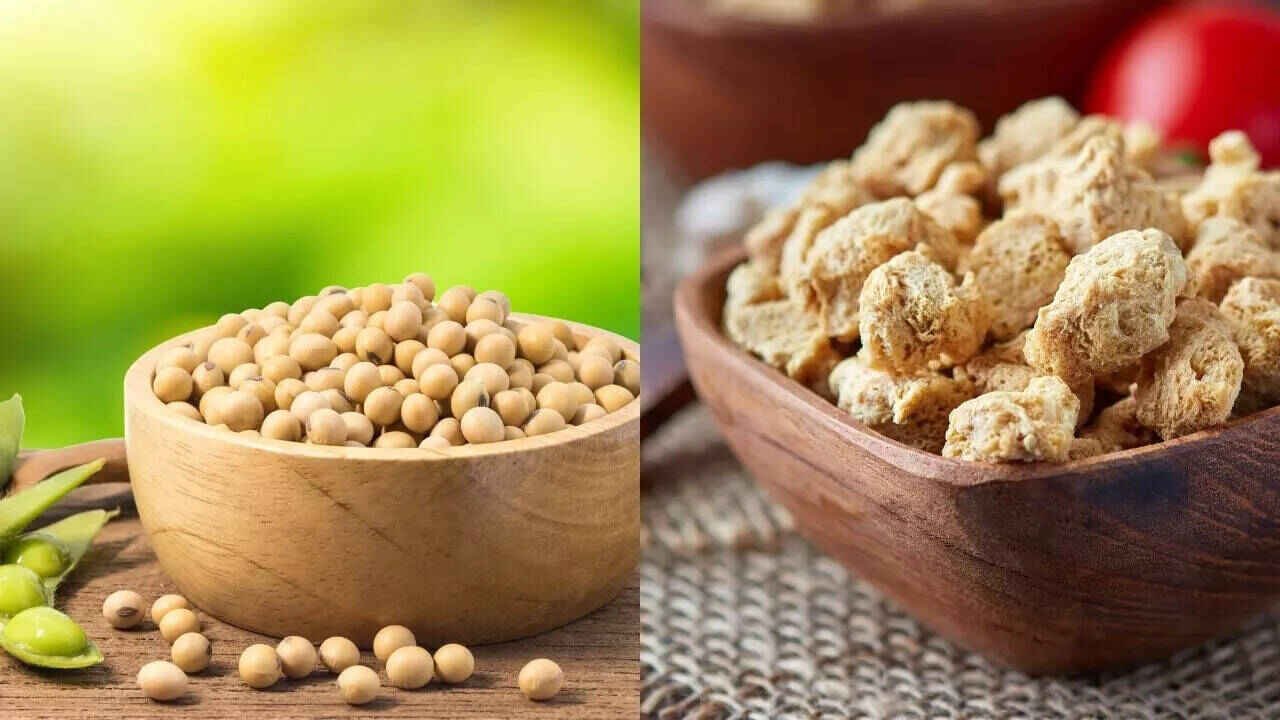
Soy chunks have become a common ingredient in many Indian kitchens, particularly among people looking for plant based sources of protein. They are added to curries, fried dishes, pulao and biryani because they absorb flavours well and develop a soft, chewy texture after cooking.
That texture sometimes creates confusion. Once soaked and cooked, soy chunks can look and feel somewhat similar to pieces of meat. However, the resemblance comes from the way soybean protein is processed. Regular soy chunks are not made from meat or animal ingredients.
The manufacturing process begins with soybeans. The beans naturally contain both oil and protein. During commercial processing, the oil is separated from the beans, leaving behind a protein rich soybean material that can be further processed into different food products.
This remaining material is prepared for the next stage after cleaning and processing. It forms the main base used to produce textured soy products, including the familiar chunks sold in grocery stores.
The most important transformation takes place during extrusion. The prepared soybean material is mixed with a suitable amount of moisture and passed through specialised equipment known as an extruder. Inside the machine, heat, pressure and mechanical action change the structure of the soybean proteins.
A specially designed opening, known as a die, determines the shape of the product as it leaves the machine. Depending on the equipment and product design, the soybean mixture can be formed into chunks, small pieces or other shapes.
This process is responsible for the distinctive texture that makes soy chunks different from ordinary soybean products. The protein structure changes during processing, creating a fibrous texture that becomes more noticeable after the product is rehydrated and cooked.
The dry pieces found inside a packet are firm because much of their moisture has been removed. Before cooking, people generally soak them in warm water. The pieces absorb water and expand, becoming softer and easier to chew.
The increased size after soaking can make soy chunks look quite different from their original dry form. Their chewy texture is also one reason they are often used as a substitute for meat in vegetarian recipes. However, the texture should not be confused with their actual ingredients. The product remains soybean based.
Protein is another reason soy chunks have become popular. The information provided for this product category mentions around 52 grams of protein per 100 grams of dried soy chunks. The exact nutritional value can vary between brands and manufacturing methods, so consumers should check the nutrition panel on the packet they purchase.
Along with protein, soy products can provide other nutrients, including dietary fibre and some minerals. The amount of fat and other nutrients can differ depending on how the product is manufactured and whether additional ingredients are included.
Price is another factor behind the popularity of soy chunks. Their relatively affordable cost is linked partly to the way soybeans are processed. Once the oil is separated, the remaining protein rich material does not have to be discarded. It can be further processed and used to make food products.
This allows different useful products to be obtained from the same raw material. As a result, comparing the price of whole soybeans directly with the price of finished soy chunks does not tell the complete story because the soybean has already gone through several stages of processing.
For home cooking, soy chunks can be used in several ways. They can be added to spicy curries, fried preparations, pulao and biryani. Because the pieces absorb surrounding flavours, seasoning and cooking methods play an important role in the final taste.
There are still a few things consumers should check before adding soy chunks regularly to their meals. Packaged products can differ in their nutritional composition, so looking at the ingredient list and nutrition information can help buyers understand what they are purchasing.
People with a known soy allergy should avoid soy products and seek appropriate medical advice. For everyone else, soy chunks can be included as one part of a varied and balanced diet rather than being treated as the only source of protein.
The key point is simple. The meat like appearance and texture of soy chunks are created through soybean protein processing, extrusion and rehydration. There is no need for meat to be involved in producing ordinary soy chunks, which is why they remain a widely used plant based food.