Muslim Candidates Dominate Congress Wins in Recent Assembly Elections
Congress and its allies saw a strong performance from Muslim candidates across Assam and Kerala, recording high success rates, even as overall election outcomes reshaped political power in multiple states.
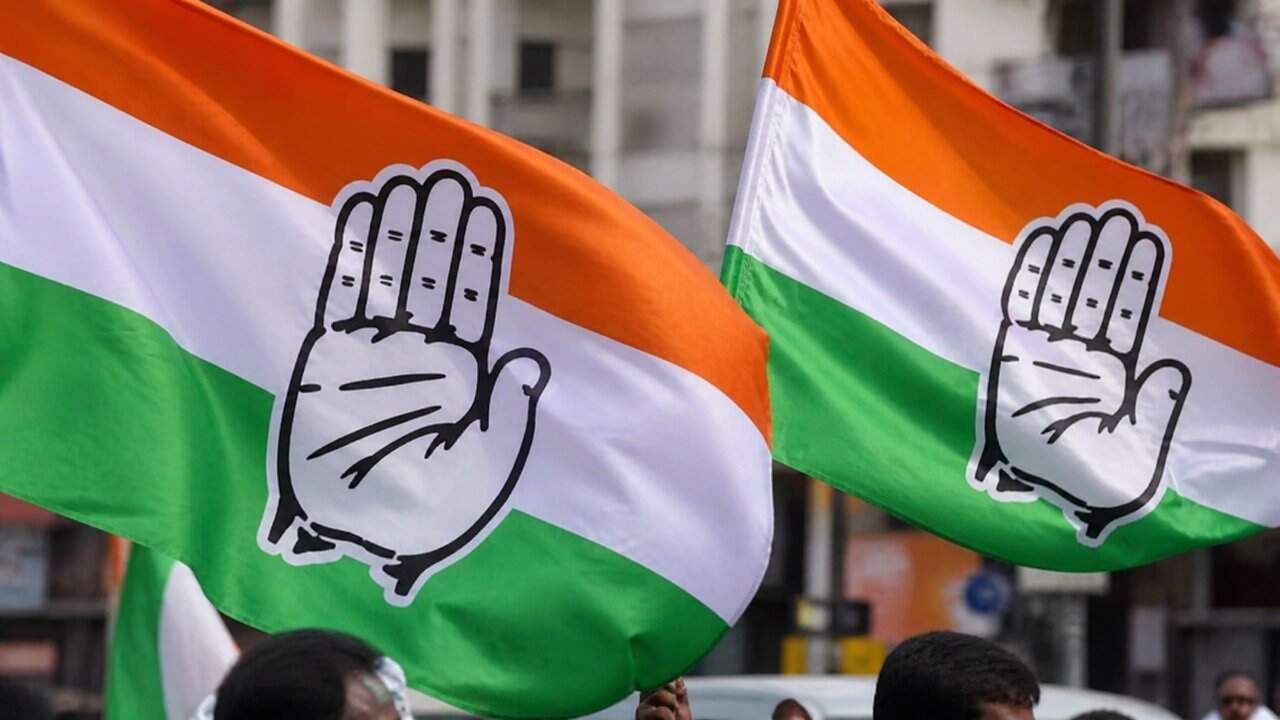
A closer look at the recent Assembly election results across several states reveals a striking trend within the Congress party’s performance. Muslim candidates emerged as a significant force behind many of the party’s victories, particularly in states like Assam and Kerala.
In Assam, the numbers stood out clearly. Out of the total seats won by Congress, a large majority were secured by Muslim candidates. The party had fielded several candidates from different communities, but it was the Muslim nominees who delivered most of the winning results, reflecting a focused electoral impact in specific constituencies.
Kerala presented a similar pattern, where Muslim representation in the Assembly remains strong. A considerable number of elected representatives from the Congress led alliance belong to the Muslim community, with alliance partners contributing significantly to this outcome. This highlights the role of community based political support in shaping the final results.
The trend was also visible, though on a smaller scale, in West Bengal and Tamil Nadu. Congress secured limited victories in these states, and the candidates who won were again from Muslim backgrounds. The party had allocated a notable number of tickets to Muslim candidates, particularly in constituencies where they form a key voter base.
Overall, data from these elections suggest that Muslim candidates within Congress alliances maintained a high success rate, especially in Assam and Kerala. This has drawn attention from political observers, who see it as an important factor in understanding the party’s performance in specific regions.
Meanwhile, the broader electoral landscape showed mixed results for Congress. While the party faced setbacks in some states, regional alliances and shifting voter preferences played a decisive role in shaping outcomes. The elections have once again underlined how candidate selection, community representation, and local dynamics continue to influence political success across India.