Morning Pranayama Habits for a Calmer Start
Morning pranayama can help bring a calmer start to the day, with breathing practices supporting relaxation and focus when performed gently and appropriately alongside healthy daily habits and adequate sleep.
The first few minutes after waking can influence how a person approaches the rest of the day. Instead of immediately getting busy with work, studies or household responsibilities, spending a little quiet time on breathing and relaxation can be a useful morning habit.
Pranayama has long been included in yoga practices, with different techniques focusing on controlled breathing, rhythm and concentration. Some people use these exercises as a way to settle their mind and begin the day more calmly. However, breathing exercises should be treated as part of a healthy routine rather than a replacement for medical treatment.
Among the commonly practiced techniques are Bhastrika, Anulom Vilom, Bhramari, Kapalabhati and Udgeeth. Each method involves a different breathing pattern, so beginners should avoid rushing through the exercises or trying to match someone else pace.
Bhastrika involves active breathing, with air being inhaled and exhaled in a more energetic rhythm. The practice requires attention to the movement of the breath and is generally introduced gradually. Someone who is new to it should begin gently instead of immediately attempting fast breathing.
If dizziness, chest discomfort or breathing difficulty occurs, the exercise should be stopped. People with existing health concerns should seek appropriate professional advice before beginning more demanding breathing practices.
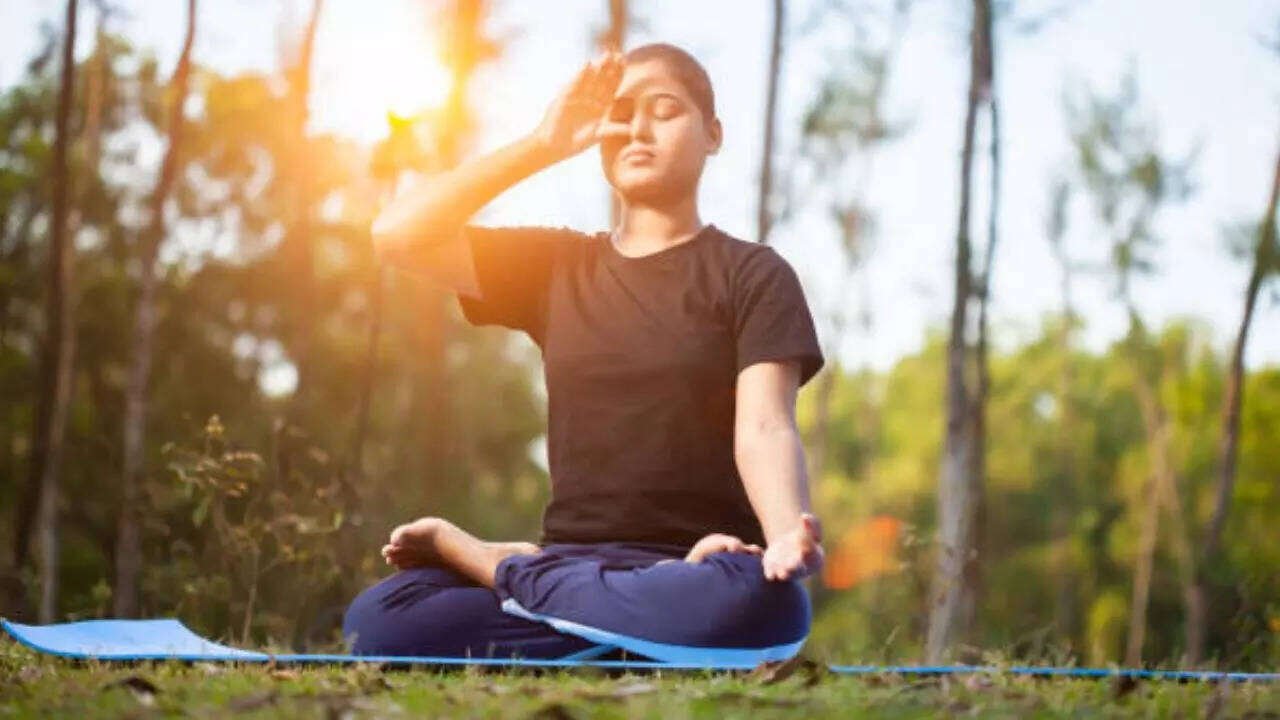
Anulom Vilom takes a slower approach. The technique involves breathing through one nostril and then the other in an alternating pattern. The controlled rhythm encourages the practitioner to concentrate on breathing, which may help create a relaxed feeling.
This exercise can be performed in a quiet place in the morning. There is no need to force the breathing or hold the breath for longer than feels comfortable. People with breathing conditions or allergies should not use pranayama as a substitute for treatment prescribed by a doctor.
Bhramari is another technique that is often included in morning yoga routines. During the exercise, a gentle humming sound is produced while breathing out. The sound and breathing pattern give the mind something simple to focus on.
The practice is generally performed while sitting comfortably with the body relaxed. It can be kept gentle and does not require prolonged sessions. For people looking for a quiet way to begin the morning, the combination of slow breathing and humming may provide a relaxing experience.
Kapalabhati is somewhat different from the slower techniques. It involves forceful exhalation using the abdominal muscles, followed by inhalation. Because the breathing pattern is more active, beginners should learn the correct technique rather than attempting it quickly on their own.
There are many claims about Kapalabhati being able to cure different diseases or correct nutritional deficiencies, but such claims should not replace established medical care. People who are pregnant, have heart or breathing problems, or have recently undergone surgery should speak with a healthcare professional before trying strenuous breathing exercises.
Udgeeth is a quieter practice in which a person takes a comfortable breath and slowly exhales while chanting the sound Om. The exercise combines breathing with sound and concentration.
A short session in the morning may help some people relax and focus. The breathing should remain natural, and there is no benefit in forcing the breath or holding it for an uncomfortable period.
The timing and intensity of pranayama also matter. Many people prefer practicing before breakfast or after allowing enough time following a light meal. The main goal for beginners should be consistency and comfort rather than performing a large number of repetitions.
Starting with a short session can make the habit easier to maintain. Sitting in a comfortable position, keeping the surroundings relatively quiet and paying attention to the breath can make the practice more manageable.
It is also important not to expect pranayama alone to solve every health problem. Better wellbeing usually depends on several everyday factors, including nutritious food, sufficient sleep, regular physical activity and sensible stress management. Medical checkups and professional treatment remain important when symptoms or health concerns arise.
Breathing exercises can be a useful addition to a morning routine when practiced appropriately. Their biggest benefit for many people may simply be creating a few quiet minutes before the demands of the day begin. Choosing a comfortable technique and practicing it without forcing the body is a sensible way to approach pranayama.