
How to Choose Fresh Walnuts Without Cracking the Shell
Walnuts are nutritious dry fruits packed with healthy fats, antioxidants and essential nutrients, but checking their freshness is difficult when the shells remain closed during purchase.
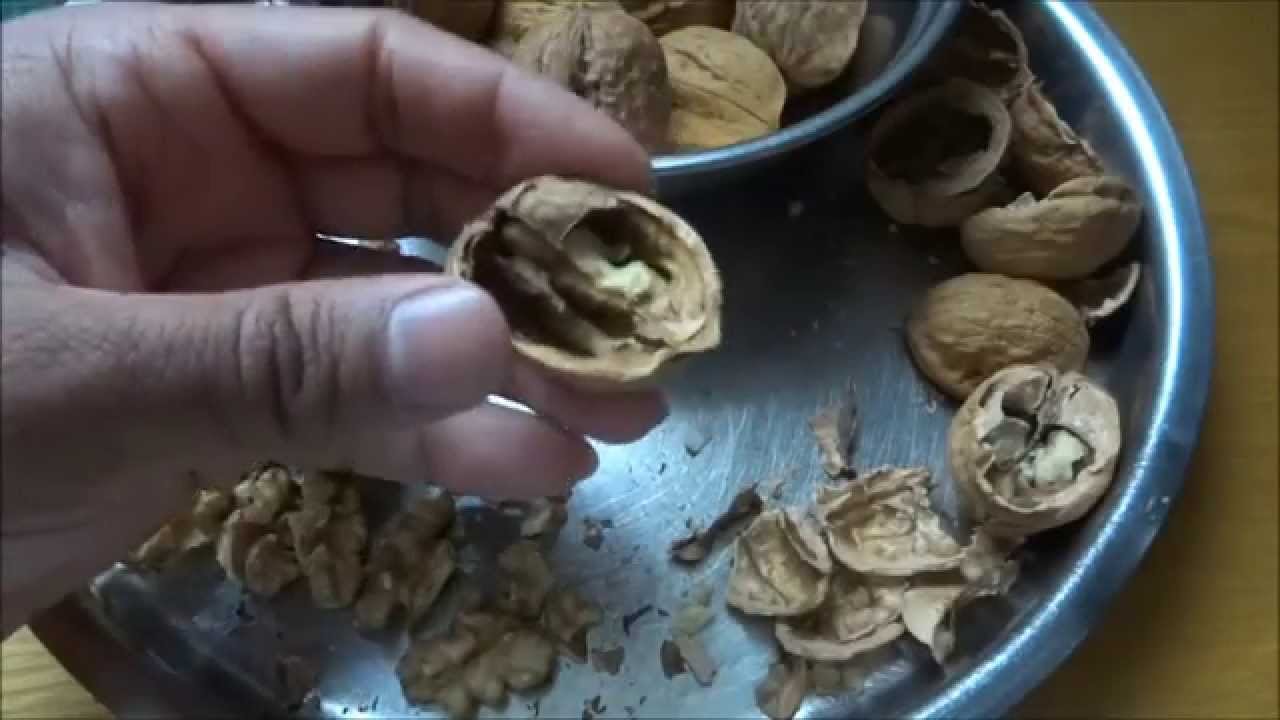
Walnuts are a popular choice among people looking for a nutritious snack, but buying good quality ones is not always as simple as picking the first packet from the shelf. Since the edible kernel remains hidden inside the hard shell, shoppers often have to rely on a few visible and physical signs to judge freshness.
One of the easiest things to check is the appearance of the shell. A good walnut generally has a clean, natural light brown shell without unusual dark patches. Black marks, visible holes or signs of mould should be treated as warning signs. A shell that appears damp or has a mouldy surface may indicate that moisture has affected the nut inside.
Weight can provide another useful clue. Pick two walnuts that look roughly the same size and compare them in your hands. The walnut that feels reasonably heavy for its size is generally a better choice than one that feels unusually light. A very light walnut may contain a dry or poorly developed kernel inside.
There is also a simple test that many shoppers use while buying walnuts. Hold a walnut near your ear and gently shake it. If you can clearly hear the kernel moving around inside the shell, the nut may have lost moisture and become dry. A fresher walnut generally has a kernel that fits more firmly inside the shell, so there may be little or no noticeable movement.
The joint where the two sides of the walnut shell meet deserves attention too. The shell should appear properly closed without obvious cracks or openings. Even a small opening can allow air and moisture to enter, which may affect the quality of the kernel during storage.
Smell can sometimes offer another clue, although it is less useful when the shell is completely intact. If a walnut gives off an unpleasant, stale or rancid smell, it is better to avoid it. Fresh walnuts should not have a strong unpleasant odour.
Walnuts are valued for their nutritional content, including omega 3 fatty acids, antioxidants and other nutrients. They can be included in a balanced diet and are commonly eaten as a snack or added to breakfast foods and other dishes. But the nutritional benefits are meaningful only when the nuts are fresh and stored properly.
For shoppers buying loose walnuts, taking a few extra seconds to inspect them can prevent disappointment later. Instead of focusing only on size or appearance, it is better to look at several signs together. Shell condition, weight, unusual movement and any suspicious smell can collectively give a better indication of quality.
It is also worth remembering that none of these checks can guarantee the exact condition of the kernel without opening the shell. They are practical signs that can help shoppers reduce the chance of selecting poor quality walnuts.
Once purchased, walnuts should also be stored carefully at home. Keeping them away from heat, moisture and direct sunlight can help maintain their quality. If walnuts are kept for longer periods, appropriate storage is especially important because their natural fats can eventually become rancid.
The next time you are standing in a shop wondering which closed shell walnut to pick, there is no need to immediately crack one open. Take a close look at the shell, compare the weight, gently check for excessive movement and pay attention to any unusual smell.
These small checks take very little time but can make grocery shopping more practical. Choosing walnuts carefully at the store and storing them properly at home can help ensure that the dry fruits you bring back are fresh, pleasant to eat and suitable for your everyday diet.