Ganesh Chaturthi Special Sweet Kadubu Recipe at Home
Sweet Kadubu made with rice flour, jaggery and coconut is a traditional Ganesh Chaturthi offering that is soft, aromatic and simple enough to prepare at home.
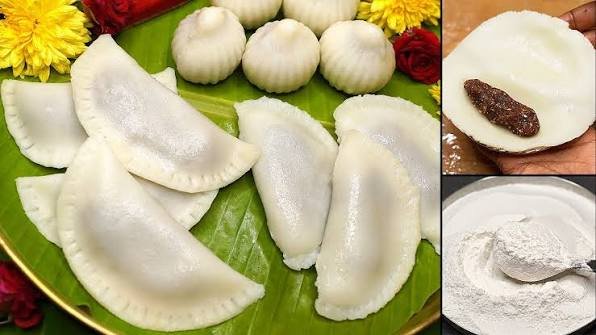
Ganesh Chaturthi is closely associated with homemade offerings, and sweet Kadubu is one of the traditional recipes prepared in many households during the festival. Made with a soft rice flour covering and a coconut jaggery filling, this steamed sweet is simple, comforting and well suited for a festive meal.
The recipe does not require a long list of ingredients. Rice flour, fresh grated coconut, jaggery, cardamom and a little ghee are enough to prepare the basic version at home. Depending on the region, similar steamed sweets may be known by names such as Kadubu, Kudumulu or Modak.
The filling can be prepared first so that it has enough time to cool before the Kadubu is shaped. Add grated coconut to a pan and warm it gently. In a separate vessel, dissolve the jaggery with a small amount of water. Once the jaggery melts, add it to the coconut and cook the mixture over medium heat.
Keep stirring until the coconut and jaggery mixture becomes thick and reaches a soft filling consistency. Add ghee and cardamom powder toward the end and mix well. Turn off the heat and allow the filling to cool completely.
The outer covering is prepared with rice flour. Take one and a half cups of water in a vessel and add a pinch of salt along with one teaspoon of ghee. Bring the mixture to a boil.
Once the water is boiling, add one cup of rice flour and quickly stir it into the water. Mixing it properly at this stage helps prevent large lumps from forming. Cook the mixture briefly, then turn off the heat and cover the vessel for a few minutes.
When the dough becomes warm enough to handle, apply a little ghee to your hands and knead it until it becomes smooth and soft. The dough should remain pliable so that it can be shaped without breaking.
Take a small portion of the prepared dough and place it on a lightly greased banana leaf or suitable sheet. Flatten it gently with your fingers to create a thin outer layer.
Place about one tablespoon of the cooled coconut and jaggery filling in the centre. Fold the dough over the filling and press the edges together carefully. Make sure the filling remains sealed inside before placing the Kadubu in the steamer.
Prepare the remaining pieces in the same way. Grease a plate or banana leaf lightly with ghee and arrange the prepared Kadubu without overcrowding them.
Steam them in an idli cooker or steamer for around 10 to 15 minutes. Steaming allows the rice flour covering to cook evenly while keeping it soft and light. Once cooked, allow the Kadubu to rest for a short time before transferring them to a serving plate.
The aroma of coconut, jaggery and cardamom makes this sweet particularly suitable for a festive offering. It can first be presented as a Ganesh Chaturthi offering and then served to family members as a traditional dessert.
The texture of the final dish depends largely on the rice flour dough. Adding the flour to properly boiling water and kneading the dough while it is still warm helps create a smoother covering. The filling should also be cooled before shaping, as a hot filling can make the dough difficult to handle.
For the filling, the amount of jaggery can be adjusted according to personal preference. Fresh coconut gives the mixture a pleasant texture, while cardamom adds the familiar festive aroma. A small amount of ghee brings the ingredients together without making the sweet overly rich.
Different parts of India have their own versions of steamed rice flour sweets prepared for religious festivals. The names and shapes may vary, but the combination of a soft rice flour covering, sweet coconut filling and steaming remains common in many traditional preparations.
Sweet Kadubu is therefore a practical choice for households looking for a homemade Ganesh Chaturthi recipe. With familiar ingredients and a straightforward preparation method, it can be made fresh at home and served warm as part of the festival celebrations.