How To Check Cashew Quality Before Buying Them
Cashews are widely used in snacks and cooking, but checking colour, smell, texture, packaging and freshness can help shoppers avoid poor quality or spoiled nuts
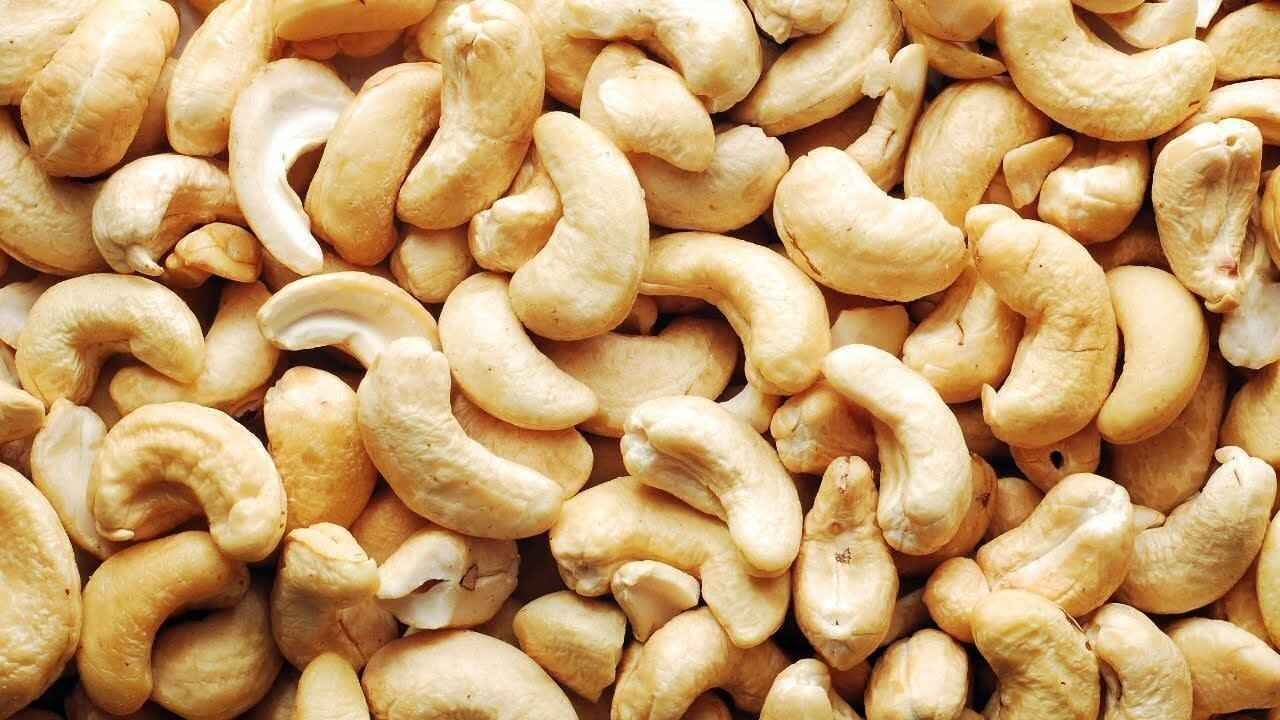
Cashews are a familiar part of many Indian kitchens. They are added to sweets, desserts, gravies and festive dishes, while many people also eat them as a snack. Their rich taste and creamy texture make them a popular dry fruit, but choosing good quality cashews still requires a little attention.
Consumers sometimes come across social media posts claiming that certain simple tests can identify fake or chemically treated cashews. Some of these suggestions sound convincing but are not scientifically reliable. For example, whether a cashew sinks or floats in water does not establish that it is genuine or adulterated.
Instead, shoppers can rely on several practical signs when buying and storing cashews.
Check The Natural Appearance
Colour is one of the first things people notice when buying cashews. Good quality cashews can naturally range from creamy white to light ivory or pale yellow, depending on processing and storage.
A very white appearance alone does not prove that bleaching chemicals have been used. Processing methods and the natural variation between batches can affect colour.
Rather than judging a packet only by how white the nuts look, buyers should check whether the cashews appear clean, intact and reasonably uniform for the particular grade being sold.
Look At The Texture
Fresh cashews generally have a firm texture and a characteristic crunch. They should not feel excessively soft, damp or unusually hard.
Broken pieces are not necessarily evidence of adulteration either. Cashews can break during harvesting, processing, transportation or packaging. However, a large amount of damaged material combined with signs of moisture or poor storage may indicate that the product is not in good condition.
A practical check is to examine a few nuts from the packet rather than judging the entire product from one piece.
Smell Can Give An Important Clue
The smell of nuts can provide a useful indication of freshness. Cashews should have a mild, pleasant nutty aroma.
If they smell strongly rancid, stale, mouldy or otherwise unpleasant, it is better not to consume them. Nuts contain fats that can deteriorate over time, particularly when they are exposed to heat, air or moisture.
An unusual smell does not necessarily mean that the cashews are fake. It can simply indicate poor storage or spoilage, which is still an important reason to avoid the product.
Taste Should Not Be The First Test
Some people try to identify poor quality cashews by tasting them. A fresh cashew normally has a mild, creamy and slightly sweet nutty flavour.
A bitter, stale or strongly unpleasant taste can indicate that the nuts have deteriorated. However, consumers should not deliberately eat a product that already has an unusual smell or visible mould simply to test its quality.
If a product looks or smells spoiled, the safer choice is to discard it.
Why The Water Test Is Not Reliable
A popular online suggestion is to place several cashews in a glass of water and judge their quality according to whether they sink or float.
This is not a dependable method for identifying fake cashews. The way a nut behaves in water can be influenced by its density, moisture content, shape and other physical factors. A floating cashew does not automatically mean that it is artificial or contaminated.
Similarly, a cashew sinking to the bottom does not prove that it is completely free from adulteration.
Consumers should therefore avoid treating this viral test as a scientific quality check.
Packaging Matters Too
The condition of the package can provide useful information when buying packaged cashews. Check the product label, ingredients, net quantity, date information and storage instructions before purchasing.
A sealed package from a reliable seller can also reduce the chances of contamination caused by poor handling. Loose cashews can still be good quality, but shoppers should pay closer attention to their appearance, smell and storage conditions.
Storage At Home Is Equally Important
Even good quality cashews can become stale if they are stored incorrectly. Keeping them in a cool, dry place inside an airtight container can help protect them from moisture and air.
If the weather is hot or the nuts are being stored for an extended period, refrigeration can help maintain freshness. The container should be properly sealed so that the cashews do not absorb moisture or odours from other foods.
The Bottom Line
There is no single home test that can reliably determine whether a cashew is genuine or chemically treated. Viral tricks based on water, colour or appearance alone can easily lead to incorrect conclusions.
A better approach is to consider several factors together, including the product’s smell, texture, appearance, packaging and freshness. Consumers should also buy nuts from reliable sources and avoid products showing clear signs of spoilage.
Cashews can be a nutritious part of a balanced diet, but quality and proper storage matter just as much as the quantity consumed.