
Spinach Benefits And Why This Leafy Green Deserves A Place In Your Diet
Spinach provides vitamins, minerals, fibre and plant compounds, making it a nutritious addition to balanced meals, while its low calorie content can support healthy eating habits and routines.
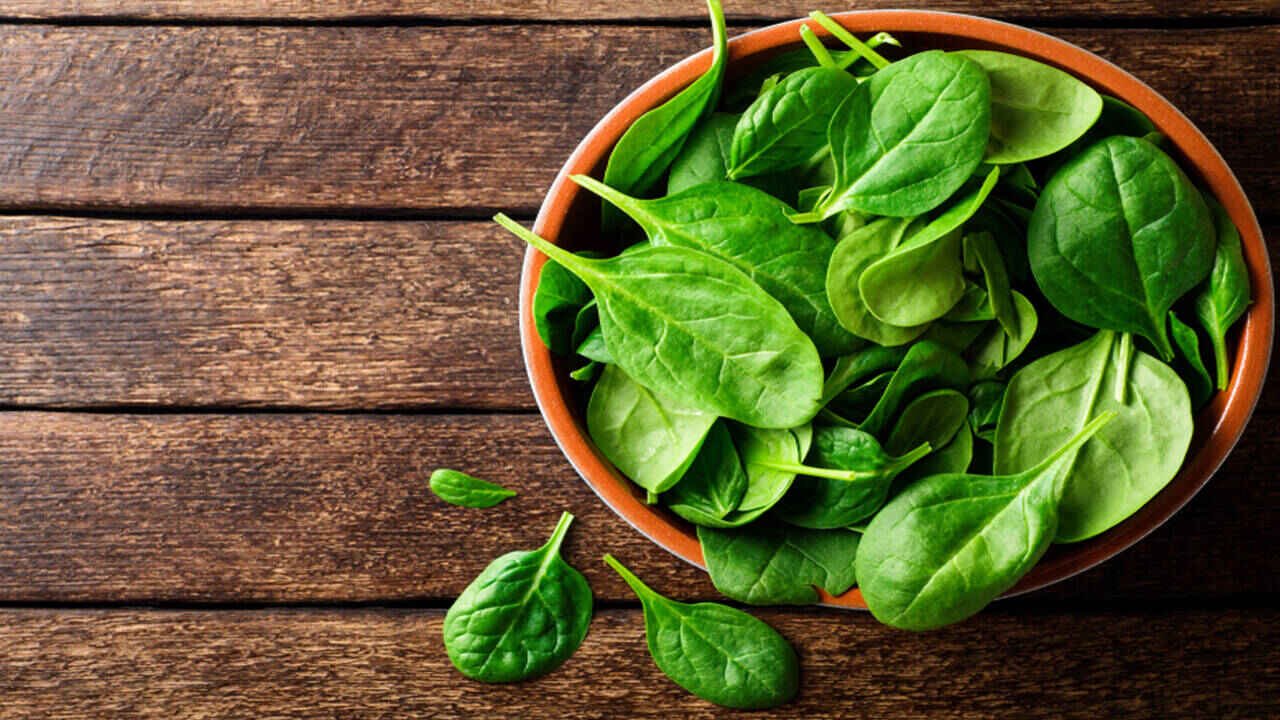
Spinach has long been a familiar ingredient in Indian kitchens, appearing in curries, dals, soups and other everyday dishes. Its popularity is not surprising because the leafy green packs several useful nutrients into relatively few calories.
The vegetable provides vitamins, minerals, fibre and naturally occurring plant compounds. Adding spinach to regular meals can therefore be an easy way to increase the nutritional variety of a diet.
However, spinach should be viewed as one part of a balanced eating pattern rather than a single food that can prevent or cure health conditions.
Nutrients In Spinach
Spinach contains important nutrients including vitamins A, C and K, along with folate, iron, magnesium and potassium. It also provides dietary fibre, which can contribute to normal digestive health and help make meals more filling.
The amount of each nutrient can vary depending on the serving size and whether the spinach is raw or cooked. Even so, including leafy vegetables regularly is generally a useful way to add variety to meals.
Its iron content is often highlighted when discussing spinach. Iron is needed for the production of haemoglobin and normal oxygen transport in the body. However, spinach alone should not be considered a treatment for iron deficiency or anaemia. People with diagnosed deficiencies may need medical advice and appropriate treatment.
Potential Support For Eye Health
Spinach contains plant compounds such as lutein and zeaxanthin. These compounds are found in the retina and are associated with eye health.
Vitamin A is also important for normal vision. Getting enough vitamin A through a varied diet supports normal eye function, but eating spinach should not be presented as a way to reverse existing vision problems.
A diet that regularly includes different vegetables, fruits and other nutrient rich foods can provide a broader range of compounds needed for overall nutrition.
Why Spinach Can Be Useful For Bones
Another notable nutrient in spinach is vitamin K. This vitamin plays an important role in normal blood clotting and bone metabolism.
Spinach also contains calcium and magnesium, which are involved in maintaining normal bone function. Still, bone health depends on a combination of factors, including overall nutrition, physical activity and adequate intake of several nutrients.
Spinach And Heart Friendly Eating
Spinach can also fit comfortably into a heart healthy eating pattern. It contains potassium and naturally occurring nitrates, while its low calorie and fibre content can make it a useful addition to meals.
Potassium contributes to normal blood pressure regulation, while dietary fibre is an important part of a healthy diet.
That does not mean spinach can prevent heart attacks or strokes on its own. Health outcomes depend on many factors, including overall diet, physical activity, blood pressure, cholesterol, smoking habits and other individual factors.
Can Spinach Help With Weight Management
For people trying to build healthier eating habits, spinach can be a convenient food because it is relatively low in calories and provides fibre along with several nutrients.
Adding spinach to a meal can increase its vegetable content without significantly increasing its calorie content. It can be combined with lentils, eggs, grains or other vegetables to create a more balanced meal.
However, spinach does not directly cause weight loss. Changes in body weight depend on overall food intake, activity, metabolism and other individual factors.
What About Blood Sugar
Spinach is also commonly recommended in diets designed around blood sugar management because it is a non starchy vegetable and provides fibre.
Some compounds found in leafy vegetables have been studied for their possible metabolic effects. However, claims that spinach alone can control diabetes or significantly improve insulin sensitivity should be treated cautiously.
People with diabetes can include spinach as part of a balanced meal plan, but it should not replace prescribed medicines or professional medical advice.
Best Ways To Include Spinach
Spinach can be added to dal, vegetable curries, soups, omelettes and other home cooked dishes. Using it in different recipes can make it easier to include leafy vegetables regularly without relying on the same preparation every day.
Raw spinach can also be used in salads when properly washed. Cooking can change the nutrient content and volume of the vegetable, so having both cooked and raw vegetables as part of a varied diet can be practical.
Spinach also contains oxalates, which may matter for some people with particular health conditions or dietary concerns. Anyone who has been advised to limit high oxalate foods should follow their healthcare professional’s guidance.
The Bottom Line
Spinach deserves its reputation as a nutrient rich leafy green, but it does not need exaggerated health claims to make it valuable. Its combination of vitamins, minerals, fibre and plant compounds makes it a sensible addition to many balanced diets.
The best approach is to combine spinach with other vegetables, fruits, whole grains, pulses, protein sources and healthy fats. A varied diet provides a much wider range of nutrients than relying heavily on any single food.