
Five Soups That Can Support A Balanced Weight Management Diet
Five simple soups can fit into a balanced diet and may help with fullness while providing vegetables, protein and fibre when prepared with limited oil, salt and cream at home.
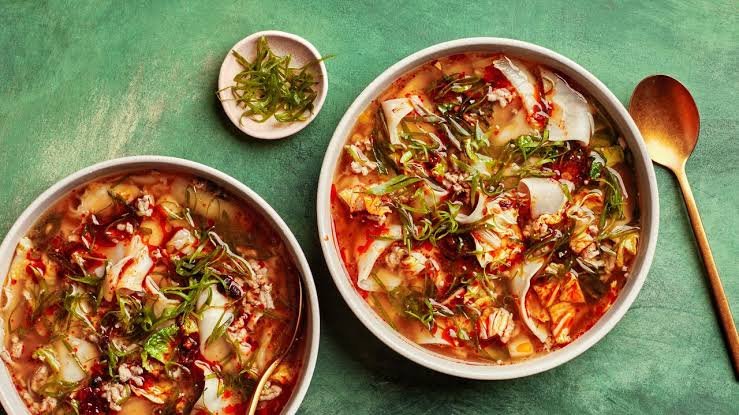
Soups are often considered a convenient food for people trying to manage their weight. A bowl made mainly with vegetables, lean protein and simple seasonings can provide plenty of volume without adding excessive calories. It can also be an easy way to include more vegetables in the daily diet.
However, not every soup is automatically suitable for weight management. Recipes loaded with cream, butter, cheese, oil or excess salt can turn a light dish into a much heavier meal. The ingredients and preparation method therefore matter just as much as the soup itself.
Here are five soup options that can be included as part of a balanced eating pattern.
Tomato Soup
Tomato soup is one of the simplest options for a light meal or snack. Tomatoes provide nutrients such as vitamin C and carotenoid compounds, including beta carotene. A homemade version can be prepared with fresh tomatoes, onions, garlic and a few herbs or spices.
For people watching their overall calorie intake, it is better to avoid making tomato soup excessively rich with cream or butter. Black pepper, coriander, garlic and other seasonings can add flavour without requiring large amounts of fat.
Vegetable Soup
A mixed vegetable soup can be a practical way to add several types of vegetables to one meal. Carrot, beans, broccoli, spinach, peas and capsicum can all be used depending on availability.
Vegetables provide fibre, vitamins and minerals, while the water content of soup can add volume to the meal. Fibre may also help people feel satisfied for longer, although individual responses can vary.
Adding a source of protein such as lentils, beans or another suitable ingredient can make vegetable soup more filling and nutritionally balanced.
Chicken Soup
Chicken soup can be useful for people who want to include more protein in their meals. Skinless chicken combined with vegetables can make a nutritious soup without requiring a large amount of oil.
Protein generally helps with fullness, which can be useful when planning meals and snacks. At the same time, the overall recipe still matters. Processed meats, excessive salt and large amounts of added fat can reduce the nutritional value of the dish.
A homemade chicken soup with vegetables, herbs and moderate seasoning can therefore be a practical choice.
Mushroom Soup
Mushrooms can add texture and flavour while providing several nutrients. They can be combined with vegetables such as carrots, beans, spinach and capsicum to create a more varied soup.
Mushroom soup can become a heavier dish when large quantities of cream, butter or cheese are added. A lighter homemade version can instead use vegetables, herbs, garlic and moderate seasoning.
People who enjoy creamy soups can also consider using blended vegetables to create a thicker texture without depending entirely on cream.
Cauliflower Soup
Cauliflower is another vegetable that can work well in soup. It contains fibre along with various vitamins and minerals and can be used as the main ingredient in a simple homemade recipe.
Cauliflower can be cooked with garlic, pepper, onions and other vegetables before being blended or served in pieces. Keeping the amount of oil, butter, cream and salt moderate can help maintain a lighter nutritional profile.
The soup can also be combined with another protein source if it is being served as a complete meal.
Can Eating Only Soup Help With Weight Loss
Relying only on soup is not a sensible approach to weight management. Although some soups can be filling and relatively low in calories, the body still needs a variety of nutrients from different foods.
A balanced eating pattern should include appropriate amounts of protein, fibre, healthy fats, whole grains, fruits and vegetables. The right balance can vary according to age, activity level, nutritional needs and overall health.
Portion size also matters. Eating a large quantity of even a healthy soup can add significant calories, particularly when the recipe contains substantial amounts of oil, cream or other energy dense ingredients.
For people trying to manage their weight, soup can work well as one part of a broader meal plan rather than as a replacement for every meal. Pairing a vegetable based soup with a suitable protein source can make the meal more satisfying.
Regular physical activity is also an important part of maintaining overall health. People with specific dietary requirements or medical conditions should consider getting individual advice from a qualified healthcare professional or registered dietitian.
Ultimately, the main benefit of these soups is their flexibility. They can make it easier to include vegetables and, when prepared thoughtfully, can provide a filling addition to everyday meals. They should be viewed as one useful food choice rather than a special weight loss treatment.