
Hair Washing Mistakes That Can Damage Your Hair
Hair washing mistakes can affect hair health over time, especially when people wash too often, use unsuitable products, leave residues behind, comb wet hair roughly or rely heavily on heat.
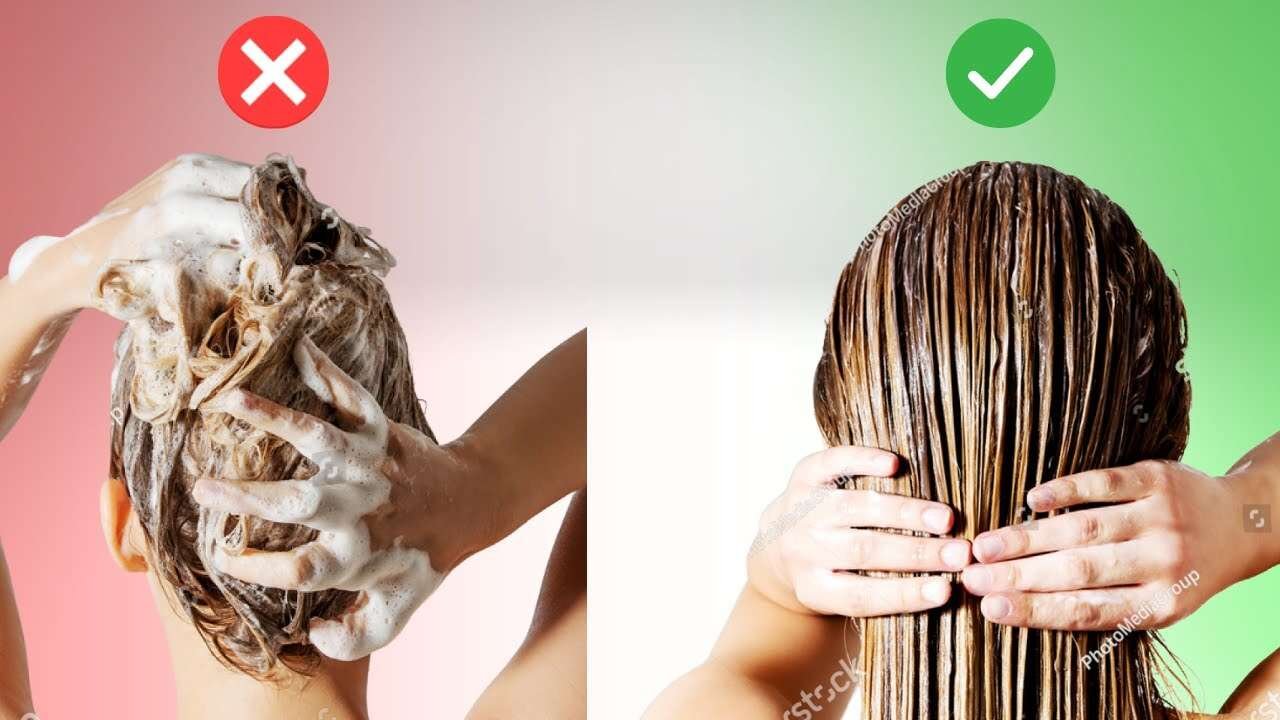
Washing your hair is part of a regular personal care routine, but the way you do it can matter just as much as how often you wash it. Some common habits may leave hair dry, rough or more difficult to manage.
One of the most common mistakes is washing hair more frequently than necessary. Daily washing is not automatically harmful for everyone, as hair and scalp needs differ, but washing much more than needed can remove natural oils and leave some hair types feeling dry.
People with dry or damaged hair may need a gentler routine. Choosing a shampoo according to the condition and type of the hair can help avoid unnecessary dryness. Products designed to provide moisture may be more suitable for hair that already feels dry or rough.
Another point to consider is the buildup that can develop on the scalp. Sweat, oil, pollution and leftover styling products may collect over time. Depending on individual needs, gentle scalp cleansing or an appropriate pre wash treatment may help keep the scalp clean.
However, using too many cleansing products can also become counterproductive. A simple routine that suits the scalp and hair is generally easier to maintain than repeatedly using strong products in an attempt to remove buildup.
Rinsing is another step that should not be overlooked. Shampoo and conditioner should be washed out properly. If product remains on the hair, it may make the hair feel greasy, heavy or coated even after washing.
Wet hair also requires extra care. Hair can be more vulnerable when it is wet, so aggressively combing, pulling or trying to remove tangles by force may lead to unnecessary breakage.
Instead of rushing through this step, it is better to handle wet hair gently and avoid strong pulling. Using a suitable comb and working through tangles carefully can reduce the stress placed on the strands.
Heat styling is another habit that can affect hair condition. Frequent use of straighteners, curling tools and blow dryers can contribute to dryness and weakness, particularly when the hair is already damaged.
This does not mean heat styling needs to be avoided completely. Limiting how often these tools are used and choosing a lower heat setting when appropriate can help reduce unnecessary exposure. A suitable heat protection product can also be considered before using styling tools.
Hair care does not need to involve a complicated routine. Paying attention to how the scalp feels, choosing suitable products and avoiding rough handling can make everyday washing gentler.
It is also worth remembering that there is no single washing schedule that works for everyone. Oily scalps may need more frequent washing, while dry hair may require less frequent cleansing. Hair texture, scalp condition, activity levels and the use of styling products can all influence individual needs.
If persistent scalp irritation, unusual hair loss or significant changes in hair condition occur, it is better to seek advice from a qualified healthcare professional rather than repeatedly changing products on your own.
Small changes in everyday habits can therefore make hair care more manageable. Washing only as needed, rinsing products thoroughly, treating wet hair gently and reducing excessive heat exposure are practical steps that can help protect hair from avoidable stress.