
Can Rice Water Really Make Skin Look Brighter
Rice water is becoming popular in skincare routines, but its benefits may be modest, while claims about treating acne, marks and sunburn lack scientific evidence and should not replace care.
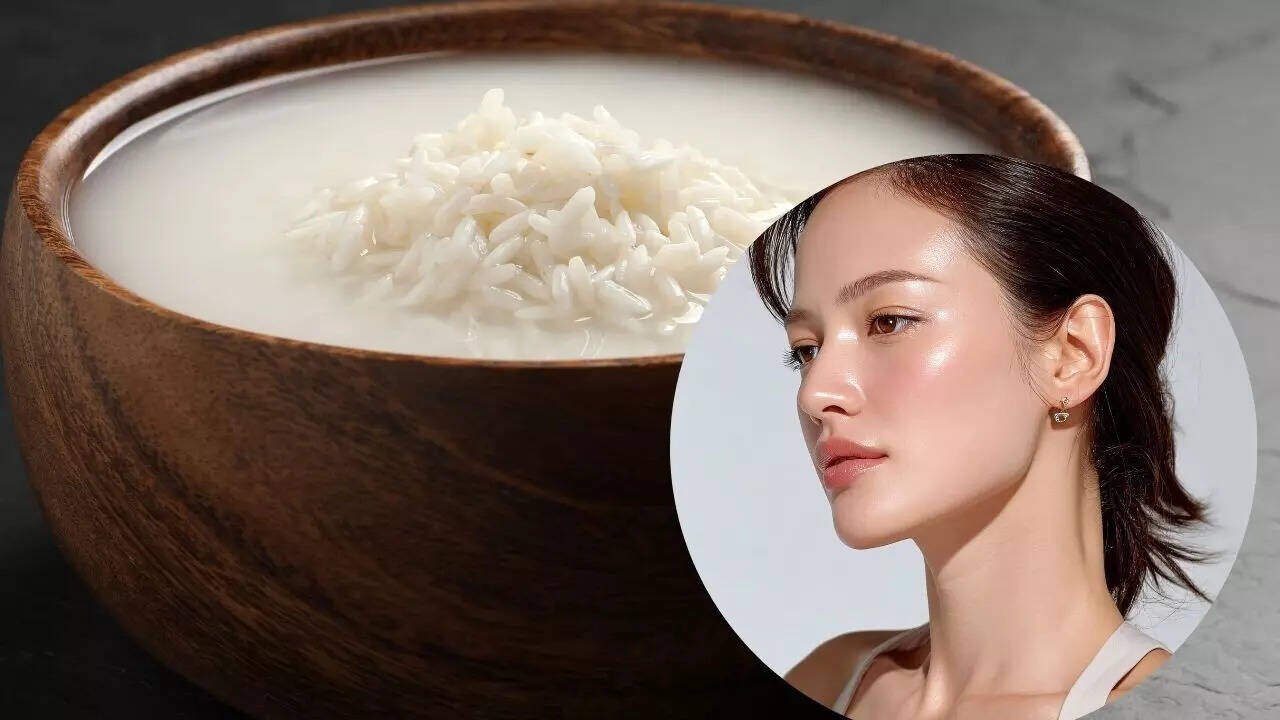
Natural skincare remedies have become increasingly popular, with many people looking for simple ingredients that are already available at home. Rice water is one such remedy that has found a place in many skincare routines.
It is commonly used as a toner, face mask or even in frozen form. Supporters believe it can make the skin feel softer and fresher. While rice contains several plant compounds and nutrients, there is limited scientific evidence to support claims that rice water can remove acne, dark marks or other skin problems.
The main attraction of rice water is its simplicity. Some people prepare it by soaking clean rice in water for a short period and then straining the liquid. Others use the water left after cooking rice. Once cooled, it can be applied to the skin as part of a basic skincare routine.
For people trying rice water for the first time, a patch test is a sensible precaution. A small amount can be applied to a limited area of skin and observed for any reaction. If itching, redness, burning or irritation develops, the product should not be used further.
Rice water can also be used as a simple toner. Some homemade preparations include ingredients such as aloe vera gel or rose water. These combinations may leave the skin feeling refreshed, but adding more ingredients does not necessarily make the mixture more effective.
A face mask is another popular method. Cooled rice water can be combined with a small amount of honey and applied to the face for around 10 to 15 minutes before being washed away. People with sensitive skin should be particularly careful with homemade mixtures.
Lemon juice is sometimes suggested as an additional ingredient in online skincare recipes. However, it can cause irritation for some people and is better avoided in homemade face treatments, especially when the skin is sensitive.
Another trend involves freezing rice water into ice cubes and gently moving one over the face. The cold temperature may temporarily make the skin feel less warm or reduce the appearance of mild puffiness. However, ice should not be held against the skin for a long period because excessive cold can cause irritation.
Some people also make a scrub using rice flour, honey and rice water. This method needs extra care because repeatedly rubbing the face can damage the skin barrier and lead to redness or irritation. A rough scrub is not automatically better for removing dead skin.
Rice water is sometimes recommended online for skin affected by too much sun exposure. Mixtures containing rice water, cucumber juice and aloe vera may provide a cooling sensation. However, these ingredients should not be considered a treatment for significant sun damage.
If the skin develops severe redness, swelling, pain or blisters after sun exposure, medical attention may be necessary. A homemade rice water preparation should not delay proper care.
The possible benefits of rice water should therefore be kept in perspective. The liquid may help the skin feel comfortable and moisturised, but that does not mean it can correct every skin concern. Claims about removing acne, scars or pigmentation need stronger scientific support.
Another practical issue is hygiene. Homemade skincare mixtures can become contaminated if they are stored for too long or handled carelessly. Fresh preparation and clean containers are preferable, and any mixture that develops an unusual smell or appearance should be discarded.
People with ongoing acne, persistent marks or other skin problems may benefit more from products and treatments recommended by a dermatologist. Skin concerns can have different causes, so the same home remedy will not work equally for everyone.
Rice water can be included in a simple skincare routine if the skin tolerates it. However, it should be viewed as an optional home remedy rather than a guaranteed solution for brighter or healthier looking skin.
The safest approach is to introduce one new product at a time, watch how the skin responds and avoid aggressive rubbing or unnecessary ingredients. If irritation continues or a skin problem becomes persistent, professional advice is a better choice than relying entirely on social media skincare tips.