
Atukulu Prasadam Recipe For Krishna Ashtami Ready In Just 10 Minutes
This traditional atukulu prasadam combines thick poha, jaggery, ghee, coconut, cashews, almonds and cardamom into a simple Krishna Ashtami offering without complicated syrup making.
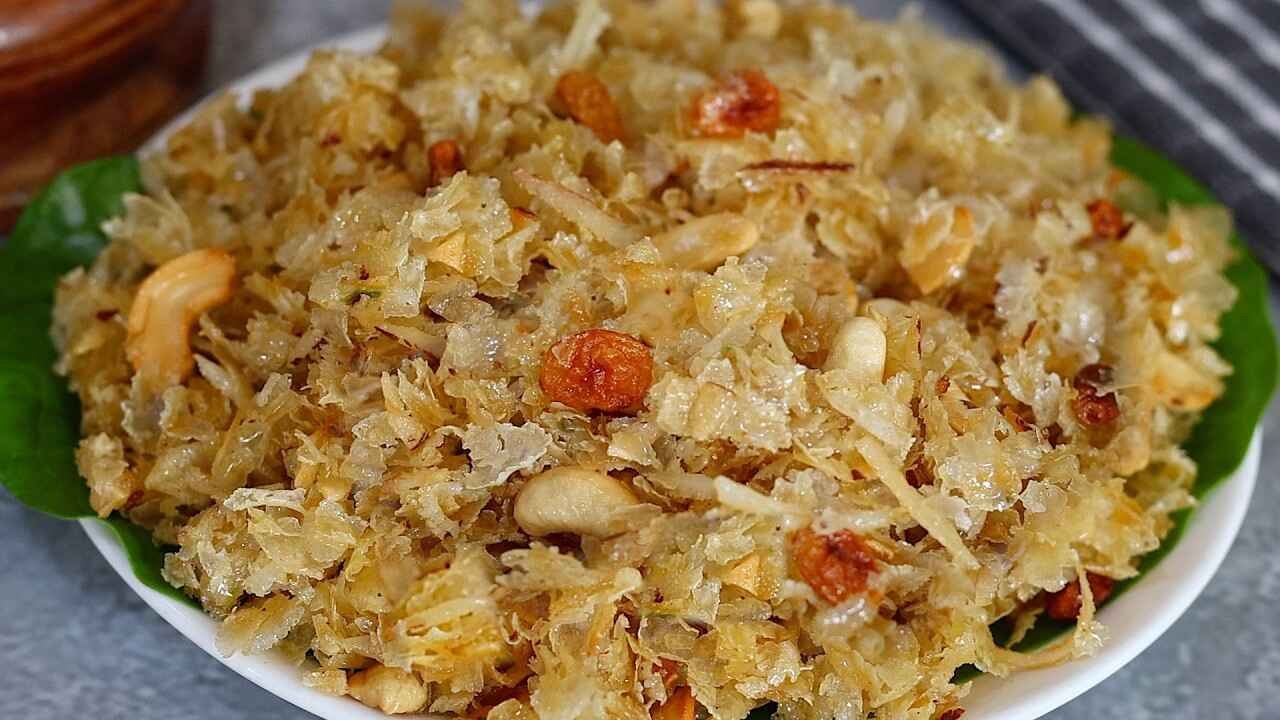
Krishna Ashtami is being celebrated with devotion in homes across the country, and preparing a special offering for Lord Krishna is an important part of the occasion. Among the traditional homemade offerings, atukulu prasadam is known for its simple preparation and familiar ingredients.
Unlike sweets that require making a sugar or jaggery syrup to a particular consistency, this recipe keeps the process much easier. Jaggery is simply dissolved in water and added to roasted thick poha. With a few dry fruits, coconut and cardamom added at the end, the dish gets a pleasant aroma and a mildly sweet taste.
The recipe can usually be completed within around 10 to 15 minutes, making it convenient for families preparing several dishes for the festival.
Ingredients Needed
One cup grated jaggery
Two cups water
Three to four teaspoons ghee
One and a half cups thick poha
Two tablespoons cashews
One tablespoon almonds
Half a cup dry coconut or fresh grated coconut
Half a teaspoon cardamom powder
A few raisins can also be added if preferred.
How To Prepare Atukulu Prasadam
Begin by preparing the jaggery water. Place a pan on the stove and add the grated jaggery along with two cups of water. Heat it gently while stirring until the jaggery completely dissolves. There is no need to cook it into a thick syrup for this recipe.
Once the jaggery has dissolved, remove the pan from the stove. Strain the liquid before using it so that any visible impurities in the jaggery are removed.
The next step is to roast the dry fruits. Heat another pan and add one or two teaspoons of ghee. Put in the cashews and almonds and roast them until they turn lightly golden. Raisins can be added at this stage if desired. Once roasted, transfer everything to a bowl and keep it aside.
Use the same pan to roast the coconut. Add the dry coconut and roast it gently in the remaining ghee until it develops a light golden colour and a pleasant aroma. Fresh coconut can also be used, although it contains more moisture and may change the final texture. Remove the roasted coconut and set it aside.
Now add another teaspoon of ghee to the pan and put in the thick poha. Thick poha works better here because it holds its shape during cooking. Very thin poha can become softer and may give the prasadam a more sticky texture.
Roast the poha over low to medium heat. Stir it regularly and continue until it becomes lightly crisp and changes colour slightly. There is no need to make it deeply brown.
Once the poha is roasted, pour the strained jaggery water into the same pan. Mix everything well and allow the poha to cook over medium heat. The poha will gradually absorb the sweet liquid and become softer as the mixture thickens.
When most of the liquid has been absorbed, add the roasted coconut and mix gently. Continue cooking on low heat until the mixture reaches the consistency you prefer. Those who like a slightly drier prasadam can reduce the amount of jaggery water added or cook it for a little longer.
Finally, add the cardamom powder along with the roasted cashews and almonds. Mix everything thoroughly so that the dry fruits and flavouring are distributed evenly.
Turn off the stove once the mixture comes together. The prasadam may look slightly moist while it is hot, but it will become drier as it cools.
The finished atukulu prasadam has the sweetness of jaggery, the aroma of cardamom and the crunch of roasted nuts. Coconut adds another layer of flavour, while ghee gives the dish a richer taste.
This recipe is especially convenient on Krishna Ashtami because it does not require complicated preparation or lengthy cooking. The ingredients are also commonly available in Indian kitchens, making it an easy choice when a quick homemade offering is needed.
After preparing the prasadam, allow it to cool slightly before serving or offering it as naivedyam. If fresh coconut is used, it is better to handle and store the preparation appropriately because fresh coconut has a shorter shelf life than dry coconut.
For families following Krishna Ashtami traditions, this simple poha based offering can add a homemade touch to the festival meal while keeping the preparation quick and manageable.