Asafoetida In Daily Food May Support Digestion But Health Claims Need Care
Asafoetida is widely used in Indian cooking for its distinctive aroma and flavour, while traditional practices also associate small amounts with digestive comfort and other benefits.
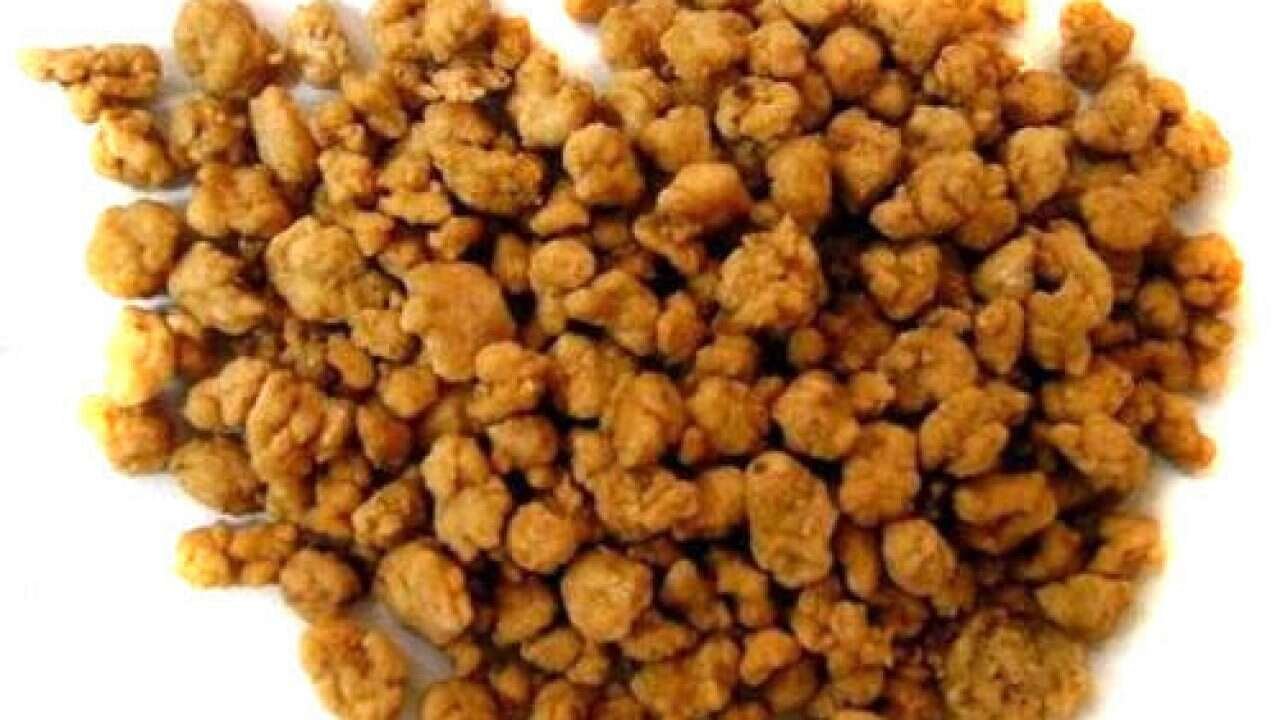
A small pinch of asafoetida can make a noticeable difference to the aroma and flavour of many Indian dishes. Commonly known as hing, the spice is regularly added to tempering for dals, curries, vegetable dishes and other preparations.
Beyond its culinary role, asafoetida has a long history of use in traditional Indian practices. It has often been associated with digestive comfort, particularly after meals that may cause gas or bloating. Modern research has examined some of its compounds, but many of the stronger health claims surrounding the spice still need better evidence.
One of the most familiar reasons people add hing to food is its traditional connection with digestion. Asafoetida contains compounds that may influence digestive processes, and it is commonly used in foods such as lentils and beans. These foods are nutritious but can cause gas and bloating for some people, making hing a popular ingredient in their preparation.
Adding a small amount during cooking is generally enough to provide its characteristic flavour. There is no need to consume large quantities to obtain its taste or traditional benefits.
Asafoetida has also been studied for its antioxidant and antimicrobial properties. Laboratory research has identified potentially active compounds in the spice, but findings from laboratory studies do not automatically mean that eating hing can prevent or treat a particular disease in people.
Traditional use has also linked asafoetida with relief from occasional stomach discomfort. Some people use it in home preparations when experiencing gas or a feeling of heaviness after eating. However, persistent abdominal pain, repeated digestive problems or unexplained symptoms should not simply be treated with kitchen spices.
Another traditional use concerns respiratory discomfort. Asafoetida has appeared in various traditional remedies for cough and congestion. However, there is not enough reliable evidence to consider it a treatment for conditions such as asthma, bronchitis or other respiratory diseases. Anyone experiencing breathing difficulty should seek appropriate medical care instead of relying on home remedies.
Claims about blood pressure and heart health also need to be viewed carefully. Some research has explored the biological effects of compounds found in asafoetida, but this does not establish that eating a pinch of hing can control high blood pressure or prevent blood clots. People taking medication for blood pressure or heart conditions should not replace prescribed treatment with asafoetida.
Menstrual discomfort is another area where hing is sometimes mentioned in traditional remedies. While it has been used traditionally for various forms of abdominal discomfort, there is not enough strong evidence to say that eating asafoetida increases specific hormones or reliably eliminates menstrual pain.
Similarly, claims that drinking water containing asafoetida can quickly cure headaches or migraine should be treated with caution. Headaches can have many causes, and frequent or severe headaches deserve proper medical assessment.
The way asafoetida is consumed also matters. In Indian cooking, it is normally used in very small quantities because of its strong flavour and aroma. It is often added to hot oil or ghee along with other spices before being mixed into the main dish.
For everyday meals, using a small quantity as a seasoning is a simple way to include the spice in the diet. It can be especially useful in recipes containing lentils, beans and vegetables, where its strong flavour works well with other ingredients.
People with food sensitivities should also pay attention to the type of hing they purchase. Commercial asafoetida products can contain other ingredients in addition to the spice, so checking the product label can be useful, particularly for anyone avoiding specific ingredients.
The idea that a pinch of asafoetida can provide all day energy or act as a cure for several health problems is not supported by strong evidence. A healthy diet depends on overall food choices rather than any single spice.
Still, there is good reason for hing to remain a familiar ingredient in Indian kitchens. Its distinctive flavour means that only a small amount is usually required, and its traditional connection with digestion has helped maintain its popularity across generations.
For most people, the sensible approach is simple. Use asafoetida as a seasoning in normal cooking and enjoy it as part of a varied diet. If digestive discomfort, headaches, menstrual pain or breathing problems are frequent or severe, proper medical advice is more appropriate than depending on a home remedy.