Green Gram For Breakfast Offers Protein And Fibre For A Nutritious Start
Green gram is a nutrient rich food containing protein, fibre, iron, potassium and folate, making it a practical breakfast choice when included as part of a balanced diet.
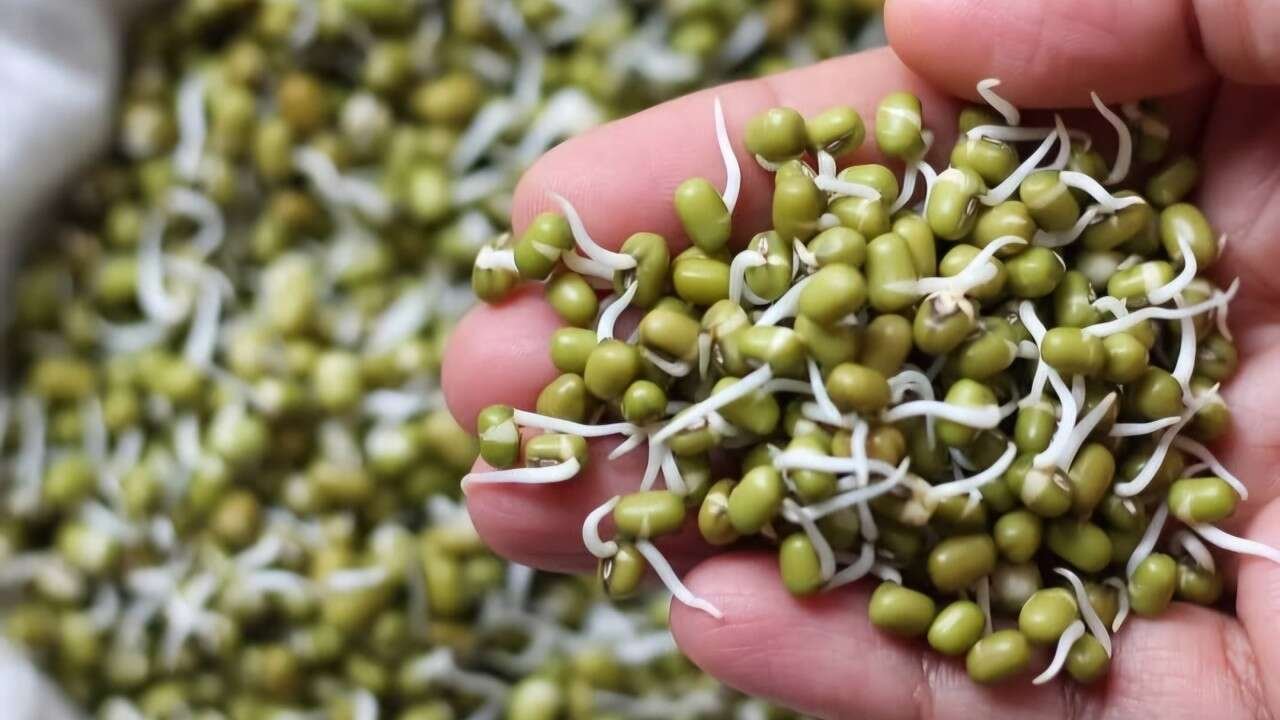
A simple bowl of green gram can be a useful addition to the morning meal for people looking for nutritious and filling food. Known as moong bean or mung bean, green gram contains several nutrients that support normal body functions and can add variety to a balanced diet.
Green gram is particularly valued for its plant based protein and dietary fibre. It also provides nutrients such as iron, potassium, magnesium, phosphorus and folate. It contains several B vitamins as well as other vitamins in smaller amounts.
For this reason, boiled green gram and properly prepared sprouts are often included in Indian breakfast and snack options. The food is filling and can be combined with vegetables and lemon juice to create a quick meal without requiring complicated preparation.
One of the main advantages of including green gram in a meal is its fibre content. Dietary fibre supports normal digestion and can help people feel satisfied after eating. A filling breakfast may also make it easier to avoid unnecessary snacking between meals.
Green gram also supplies protein, which is important for maintaining and repairing body tissues. For people who regularly exercise, adding protein rich foods to meals can be one part of an overall nutritious eating pattern.
However, green gram should not be viewed as a food that can provide unlimited energy or guarantee weight loss. Weight management depends on overall eating habits, physical activity, sleep and other factors. Green gram can simply be a nutritious component of that routine.
The food can be prepared in several easy ways. Boiled green gram can be mixed with finely chopped onion, tomato and coriander. A little lemon juice can be added for freshness and flavour. This creates a simple salad style breakfast or snack with no need for heavy sauces.
Sprouted green gram is another popular option. Sprouting changes the texture and can make the beans convenient to add to salads and other dishes. Sprouts should be prepared hygienically and stored properly, since raw or undercooked sprouts can carry harmful bacteria. People who are more vulnerable to foodborne illness should take extra care with raw sprouts.
Students and working people may prefer green gram because it is easy to prepare in advance and can be combined with other foods. Pairing it with vegetables, whole grains or other nutritious ingredients can make the meal more balanced and satisfying.
The nutritional value of green gram also makes it a useful alternative to highly processed breakfast choices. Instead of relying only on packaged snacks or sugary foods in the morning, adding legumes such as green gram can increase the protein and fibre content of the meal.
At the same time, portion size and individual dietary needs matter. Eating one food alone cannot guarantee that a person will remain energetic throughout the entire day. A healthy routine generally includes a variety of foods that provide carbohydrates, protein, healthy fats, vitamins, minerals and enough fluids.
For a quick morning preparation, green gram can be boiled until tender and allowed to cool slightly. Chopped onion, tomato and coriander can then be added along with lemon juice. Those who prefer a warmer meal can combine the cooked beans with lightly cooked vegetables and suitable spices.
Green gram is therefore less about being a miracle food and more about making a sensible everyday choice. Its combination of plant protein, fibre and minerals makes it a convenient ingredient for breakfast, salads and snacks.
Adding green gram regularly to a varied diet can be a practical way to include more legumes in everyday meals. The key is to prepare it safely and combine it with other nutritious foods rather than expecting a single ingredient to provide all the nutrition the body needs.