
Drinking Salt Water On An Empty Stomach May Not Be As Healthy As You Think
Morning salt water is often promoted for hydration and digestion, but excess sodium can be harmful, especially for people with high blood pressure, heart or kidney conditions.
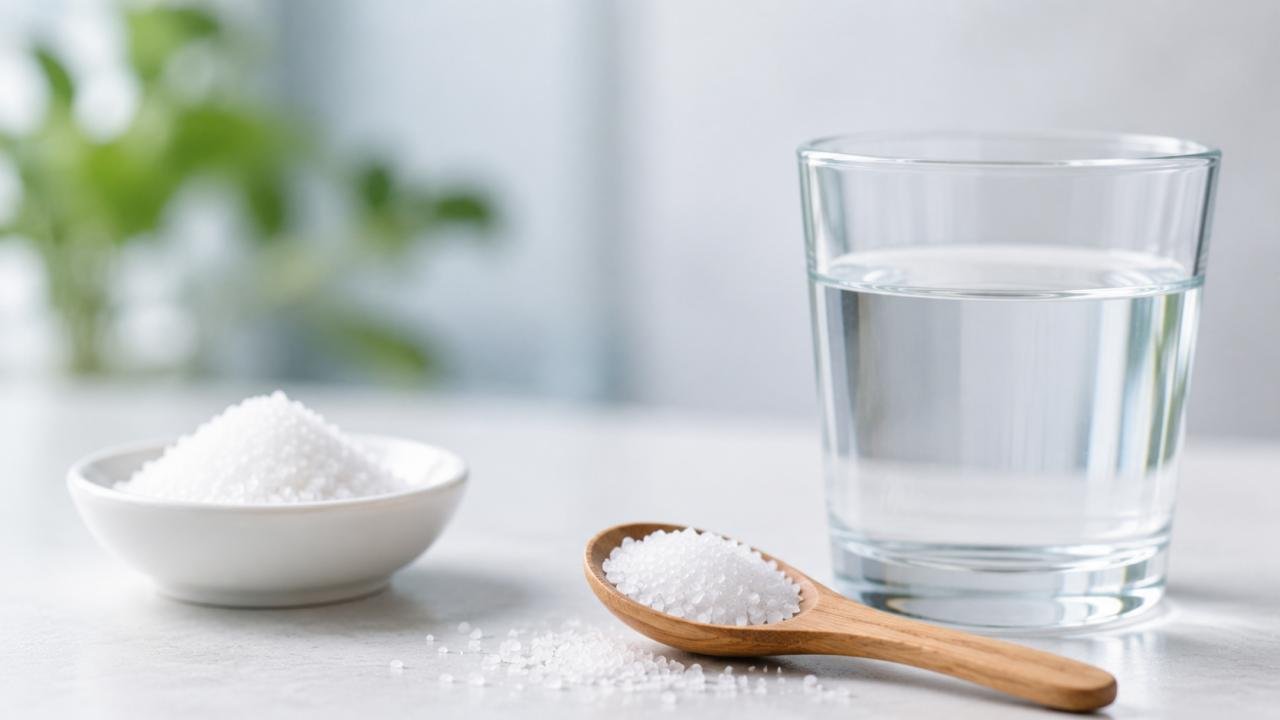
Drinking a glass of warm water after waking up is a common morning habit, and some people add a small amount of salt to it believing that the drink can improve digestion, hydration and overall energy. Himalayan pink salt and rock salt are particularly popular for this purpose.
However, the idea that salt water is a must have morning health drink needs some caution. Salt is an essential source of sodium, a mineral the body needs for normal nerve function, muscle activity and fluid balance. At the same time, getting too much sodium from food and drinks can increase health risks, particularly when consumed regularly.
The type of salt also does not make unlimited consumption safe. Himalayan pink salt, rock salt and other less refined salts may contain small amounts of additional minerals, but they are still significant sources of sodium. They should not be treated as a special remedy for common health problems.
One reason people choose salt water in the morning is the belief that it supports digestion. Sodium is involved in several normal processes in the body, but there is limited evidence that routinely drinking salted water on an empty stomach provides special digestive benefits. Problems such as persistent bloating, indigestion or constipation should not automatically be treated with salt water.
Hydration is another commonly mentioned benefit. Water itself is important for maintaining hydration, particularly after several hours of sleep. Electrolytes such as sodium are also important, but most people who eat a balanced diet generally obtain enough sodium through their regular meals. Adding extra salt to drinking water is not necessarily required for everyday hydration.
The situation can be different after prolonged physical activity or heavy sweating, when the body loses both water and electrolytes. In such circumstances, appropriate fluids and electrolyte replacement may sometimes be useful. However, the right choice depends on the intensity and duration of exercise, weather conditions and individual needs.
There are also claims that morning salt water can improve skin health or help with conditions such as eczema and psoriasis. These claims should be viewed carefully. Drinking salted water has not been established as a treatment for these skin conditions. Skin health depends on several factors, including hydration, nutrition, genetics and appropriate medical care when a condition is present.
Salt water is sometimes confused with salt water gargling. Gargling with warm salt water can provide temporary relief for a sore throat in some cases, but that does not mean drinking salty water provides the same effect. A sore throat accompanied by persistent symptoms or other concerning signs may require medical attention.
The biggest concern with making salt water a daily habit is unnecessary sodium intake. Too much sodium can contribute to increased blood pressure and may be particularly problematic for people who already have certain heart, kidney or blood pressure conditions.
People with high blood pressure, heart disease or kidney problems should therefore avoid adding extra salt to their drinking water unless their healthcare professional specifically recommends it. Anyone taking medicines or following a medically advised low sodium diet should also be careful about adopting such routines based on social media or general health advice.
For most people, starting the day with plain water is a simple way to support normal hydration. A balanced diet can provide the sodium and other minerals the body needs without requiring a daily glass of salted water.
The takeaway is simple. Salt is necessary for the body, but more is not automatically better. Himalayan pink salt and rock salt may be popular alternatives in kitchens, yet they should still be used in moderation. A morning wellness routine should be based on individual health needs rather than claims that promise quick solutions for several different problems.