Atukulu Laddu Recipe For Krishna Ashtami With Jaggery, Peanuts And Sesame
This Krishna Ashtami special atukulu laddu combines roasted poha, peanuts, sesame, jaggery and cardamom into a simple homemade snack without complicated syrup making.
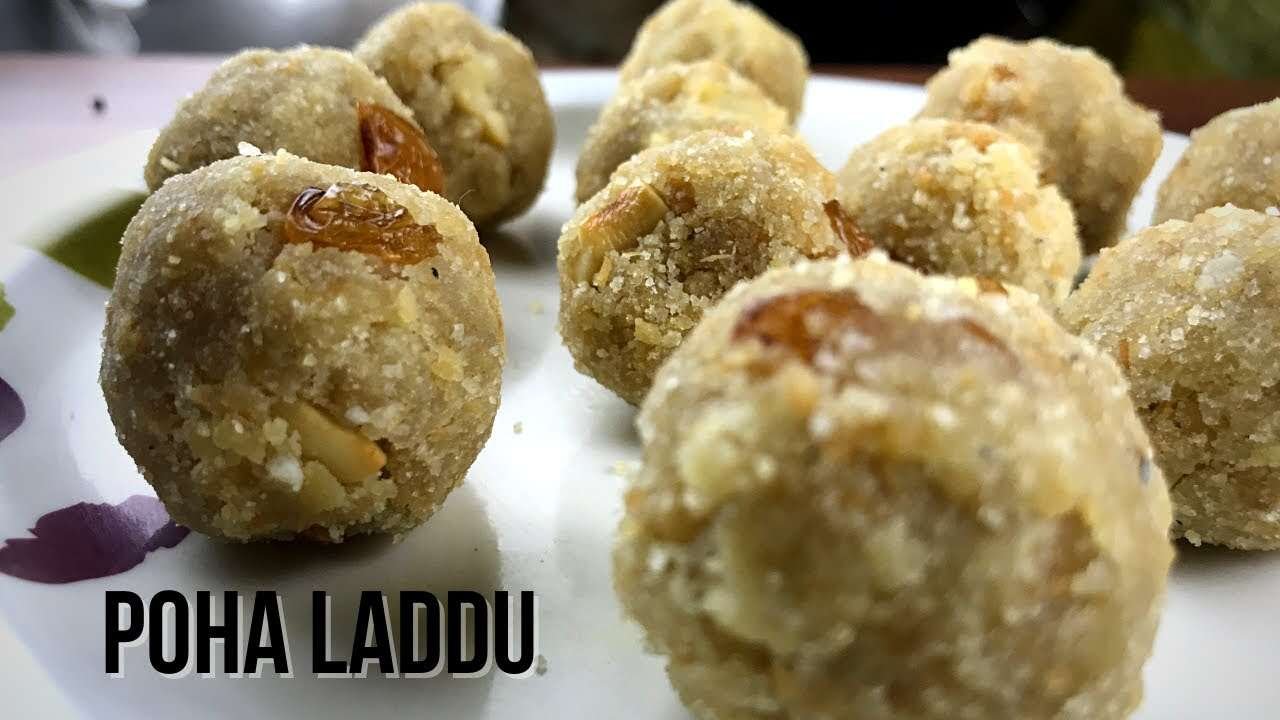
Atukulu laddu is one of those homemade sweets that can be prepared without much fuss. With poha, peanuts, sesame seeds and jaggery already available in many kitchens, this recipe can be a convenient choice for Krishna Ashtami celebrations.
Unlike many laddu recipes that require careful preparation of sugar or jaggery syrup, this version keeps the process relatively simple. The jaggery only needs to dissolve properly before it is mixed with the roasted ingredients. The result is a soft and nutty laddu with a pleasant crunch and the aroma of cardamom.
The recipe begins with one cup of thick poha. Clean the poha with a sieve to remove any unwanted particles and place it in a dry pan. Roast it over medium heat for about two to three minutes, stirring continuously. Once the poha becomes crisp, transfer it to a plate and allow it to cool.
Next, roast half a cup of peanuts in the same pan. Keep the flame at medium and stir them for three to four minutes so they roast evenly. Once they develop a pleasant roasted aroma, remove them from the pan. Add half a cup of sesame seeds and roast them until they begin to crackle lightly. Transfer them to the same plate and let all the roasted ingredients cool completely.
The texture of the ingredients makes a difference to the final laddu. Once everything has cooled, grind the roasted poha separately into a fine powder. Keep this powder aside. Then add the roasted peanuts, sesame seeds and four to five cardamom pods to the mixer jar. Use the pulse setting and grind them into a slightly coarse mixture instead of making a completely smooth powder. This gives the laddus a better bite.
The jaggery mixture can then be prepared. Take one and a half cups of jaggery and add about one fourth cup of water. Heat it over a medium flame until the jaggery dissolves. There is no need to cook it until it reaches a particular syrup consistency for this recipe.
Once the jaggery has completely melted, strain the liquid through a tea strainer into another pan or bowl. This extra step helps remove any visible impurities that may be present in the jaggery.
For an additional layer of flavour, lightly fry chopped almonds and cashews in one tablespoon of ghee. Cook them until they turn lightly golden and release their aroma. Keep them aside for mixing later.
Now comes the important part of bringing the recipe together. Switch off the flame and gradually add the roasted poha powder and the coarse peanut and sesame mixture to the strained jaggery liquid. Add the roasted dry fruits as well and mix everything thoroughly.
The mixture should come together into a soft, manageable mass. Allow it to cool for around fifteen minutes before shaping the laddus. There is no need to wait until the mixture becomes completely cold because it may become difficult to bind if the jaggery mixture hardens too much.
Grease your hands with a small amount of ghee and take a little mixture at a time. Press and roll it between your palms to form round laddus. Continue with the remaining mixture until everything has been shaped.
These laddus can be prepared ahead of Krishna Ashtami and served as a homemade festive sweet or an evening snack. Peanuts and sesame add protein and minerals, while jaggery provides sweetness. Poha also makes the recipe filling enough to work as a small snack. However, the laddus are still a sweet, so portion size is worth keeping in mind.
For storage, the laddus can generally remain fresh for around four to five days when kept in a clean, airtight container at room temperature, provided the storage conditions are suitable. Refrigeration can extend their usable life to around ten to fifteen days, although texture may change slightly. Always check for changes in smell, appearance or taste before eating stored homemade food.
What makes this recipe appealing during Krishna Ashtami is its straightforward preparation. There is no complicated cooking technique, and most of the work involves roasting, grinding and mixing. It can therefore be a practical homemade option when you want to prepare a festive sweet without spending hours in the kitchen.
The combination of roasted poha, peanuts, sesame, jaggery, cardamom and dry fruits gives the laddu a distinctly traditional flavour. It can be served as part of a festive spread or enjoyed later with a cup of tea. For families looking for a simple homemade alternative to packaged snacks, this recipe is also worth trying.
Ingredients
One cup thick poha
Half cup peanuts
Half cup sesame seeds
One and a half cups jaggery
One fourth cup water
Four to five cardamom pods
One tablespoon ghee
Chopped almonds and cashews as needed
Method
Roast the poha until crisp and allow it to cool.
Roast the peanuts and sesame seeds separately and cool them completely.
Grind the poha into a fine powder.
Pulse the peanuts, sesame seeds and cardamom into a slightly coarse mixture.
Melt the jaggery with water and strain the liquid.
Fry the chopped almonds and cashews in ghee.
Combine the jaggery liquid with the poha powder, peanut and sesame mixture and dry fruits.
Allow the mixture to cool slightly.
Grease your hands with ghee and shape the mixture into laddus.
Store the prepared laddus in an airtight container.