
LPG Cylinder Gas Level: Check The Remaining Gas With A Simple Water Test
A warm water test can give a rough idea of the LPG level without lifting the cylinder, but it cannot accurately measure the remaining gas or replace the cylinder weight method.
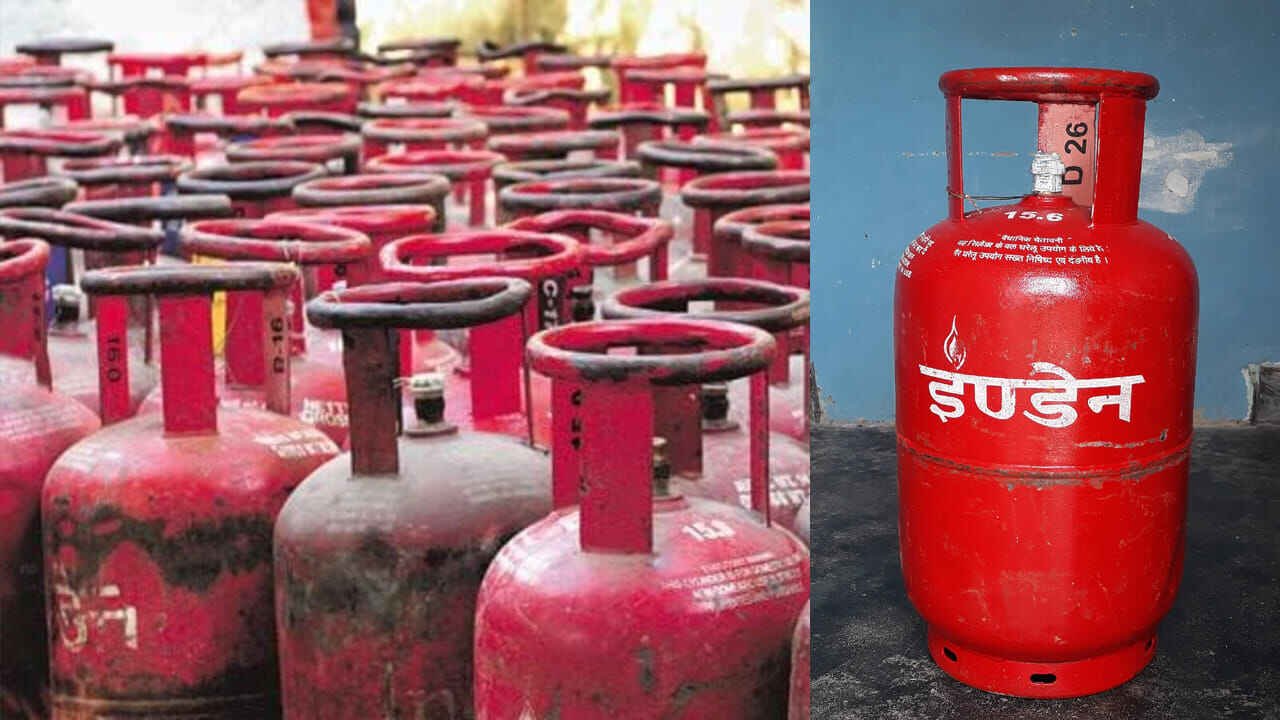
Running out of cooking gas in the middle of preparing a meal can be frustrating, particularly when there is no spare cylinder available. Many households try to estimate the remaining LPG by lifting or moving the cylinder, but that can be difficult because of its weight.
A simple temperature based method is often shared as an alternative. It involves using a small amount of warm water on the outside wall of the cylinder and observing the temperature difference.
However, this method should be treated only as a rough indication. It does not tell you exactly how many kilograms of LPG remain, so it should not be considered a precise measurement.
What You Need
You only need a mug or small container of warm water. The water should be comfortably warm rather than extremely hot.
For safety, keep the water away from the regulator, valve, hose and other connections. Do not interfere with the cylinder fittings while carrying out the check.
How The Water Test Works
Carefully pour a small amount of warm water down one side of the cylinder from the upper section toward the lower section. Wait for a few seconds and carefully feel the outside surface with your hand.
The section above the liquid LPG level may remain relatively warmer, while the portion containing liquid LPG can feel cooler because the LPG inside absorbs heat from the surroundings.
In some cases, a visible change in condensation may also appear around the approximate level of the liquid inside.
Why Does The Cylinder Feel Cooler?
LPG is stored inside the cylinder mainly in liquid form under pressure. As heat moves through the cylinder wall, the liquid LPG absorbs some of that heat.
Because of this heat transfer, the part of the cylinder containing liquid LPG can show a different surface temperature from the section above it. The difference can sometimes be noticed after warm water is applied to the outside.
This is the basic science behind the commonly used warm water test.
The Result Is Not An Exact Gas Measurement
There is an important point to remember before relying on this trick. The temperature difference can be affected by several factors, including the surrounding weather, cylinder temperature, amount of water used and how long the cylinder has been sitting.
Therefore, the test should not be used to determine the exact quantity of LPG remaining.
If you need a more reliable estimate, checking the cylinder weight according to the manufacturer’s guidance is a better option. The tare weight is generally marked on the cylinder, allowing the total weight to be compared with the cylinder’s known empty weight.
Avoid Moving The Cylinder Unnecessarily
A domestic LPG cylinder is heavy, so there is little reason to repeatedly lift, shake or tilt it simply to estimate the remaining gas. Such handling can create unnecessary safety risks.
The safest approach is to keep the cylinder upright on a stable surface and avoid disturbing the regulator or hose. If you notice a gas smell, hissing sound or any suspected leak, do not try to investigate it using the water test. Move away from potential ignition sources and follow your LPG supplier’s emergency safety instructions.
The warm water method can be a convenient visual clue, but it should be viewed as an approximate household trick rather than a precise way to measure LPG. Planning a refill before the cylinder becomes completely empty remains the more practical way to avoid interruptions while cooking.