
After 10 PM, Your Body Starts Winding Down: Why Your Biological Clock Matters
Your body follows a natural 24 hour rhythm that changes at night, affecting sleep, hormones, digestion and recovery, making a consistent bedtime important for overall wellbeing.
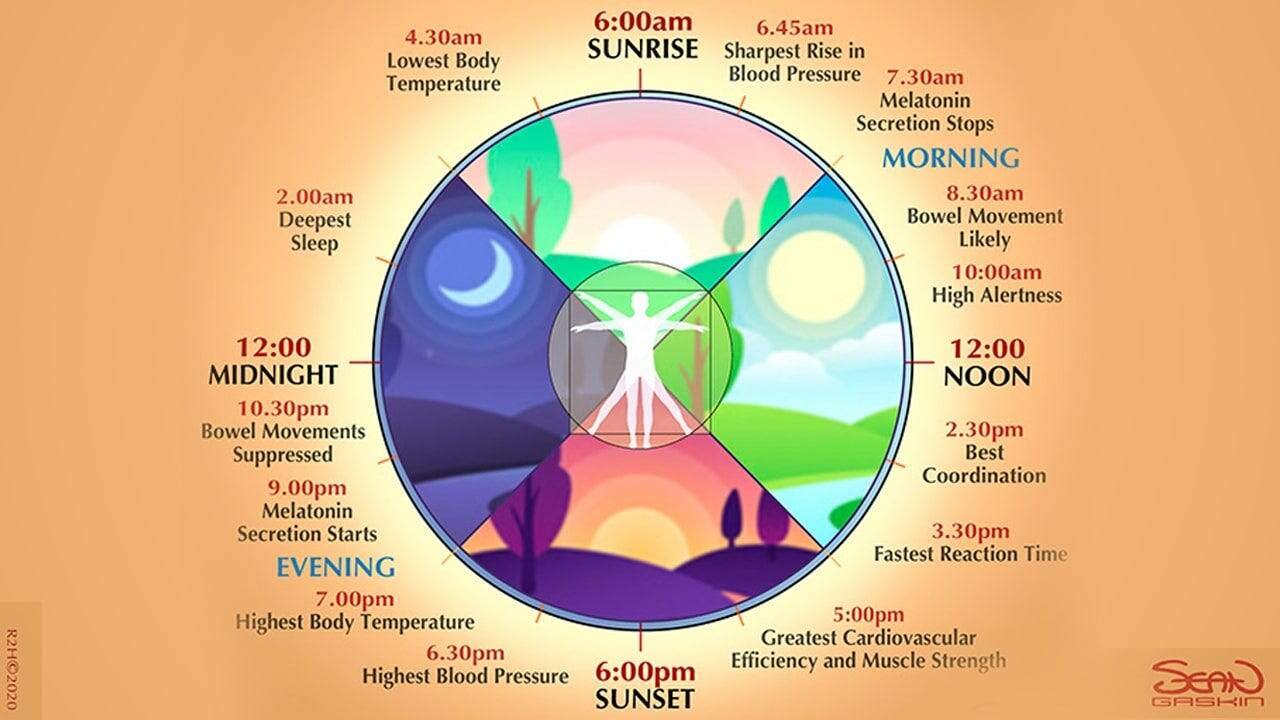
The body does not simply switch from an active state to sleep when you get into bed. Several natural processes begin changing as evening progresses, guided by the circadian rhythm, often called the biological clock. Around the later hours of the night, the body gradually prepares itself for rest and recovery.
This is why feeling sleepy around 10 PM can be more than ordinary tiredness. As darkness increases, the brain receives signals that it is time to slow down. Melatonin, a hormone associated with sleep, begins to rise and helps prepare the body for nighttime rest. Body temperature also tends to decrease as part of this natural transition.
The circadian rhythm works on a roughly 24 hour cycle and influences several functions, including sleep, hormone production, body temperature and digestion. The exact timing can vary from person to person, so 10 PM should not be considered a strict biological deadline for everyone. However, maintaining a regular sleep schedule generally helps keep this rhythm stable.
What changes at night
One of the most noticeable changes is the increasing feeling of sleepiness. Rising melatonin levels help signal to the brain that the body should move toward a resting state. Exposure to bright light, particularly late at night, can interfere with these signals and make it harder for some people to fall asleep.
The digestive system also follows a daily rhythm. Digestion and metabolism do not operate in exactly the same way throughout the day. Eating a very heavy meal shortly before going to bed can leave some people feeling uncomfortable and may interfere with sleep. It is therefore useful to give the body enough time to settle after dinner.
Nighttime is also an important period for recovery. During sleep, the body carries out numerous maintenance processes, while the brain processes information and supports memory and learning. Good quality sleep therefore plays a role in how alert and focused a person feels the following day.
What happens when the sleep schedule becomes irregular
Frequently staying awake late or getting insufficient sleep can affect mood and daytime performance. People may experience tiredness, difficulty concentrating, irritability or reduced alertness after a poor night’s sleep.
An irregular sleep routine can also disrupt the body’s normal circadian signals. Over the long term, consistently inadequate or poorly timed sleep has been associated with several health concerns, including metabolic and cardiovascular problems. This does not mean that staying awake after 10 PM automatically causes illness, but maintaining a healthy and consistent sleep routine is generally beneficial.
Screen time can also matter
Phones, computers and other bright screens are often part of late night routines. Using them immediately before bed can keep the mind engaged and expose the eyes to light at a time when the body is preparing for sleep. Reducing bright light and avoiding stimulating activities close to bedtime may make it easier to settle down.
Instead of treating 10 PM as a universal rule, the more practical approach is to follow a regular sleep schedule that provides enough rest for your age and daily needs. Going to bed and waking up at broadly consistent times can help support the body’s natural rhythm.
The biological clock is constantly working in the background, coordinating changes between daytime activity and nighttime recovery. Paying attention to natural tiredness, limiting unnecessary late night stimulation and maintaining a dependable sleep routine can help the body get the rest it needs.