
How to Grow a Bushy Tulsi Plant at Home With Simple Care Tips
A healthy tulsi plant needs balanced sunlight, proper drainage, careful watering, regular pruning, and suitable organic nutrition to produce fresh green leaves and stronger growth.
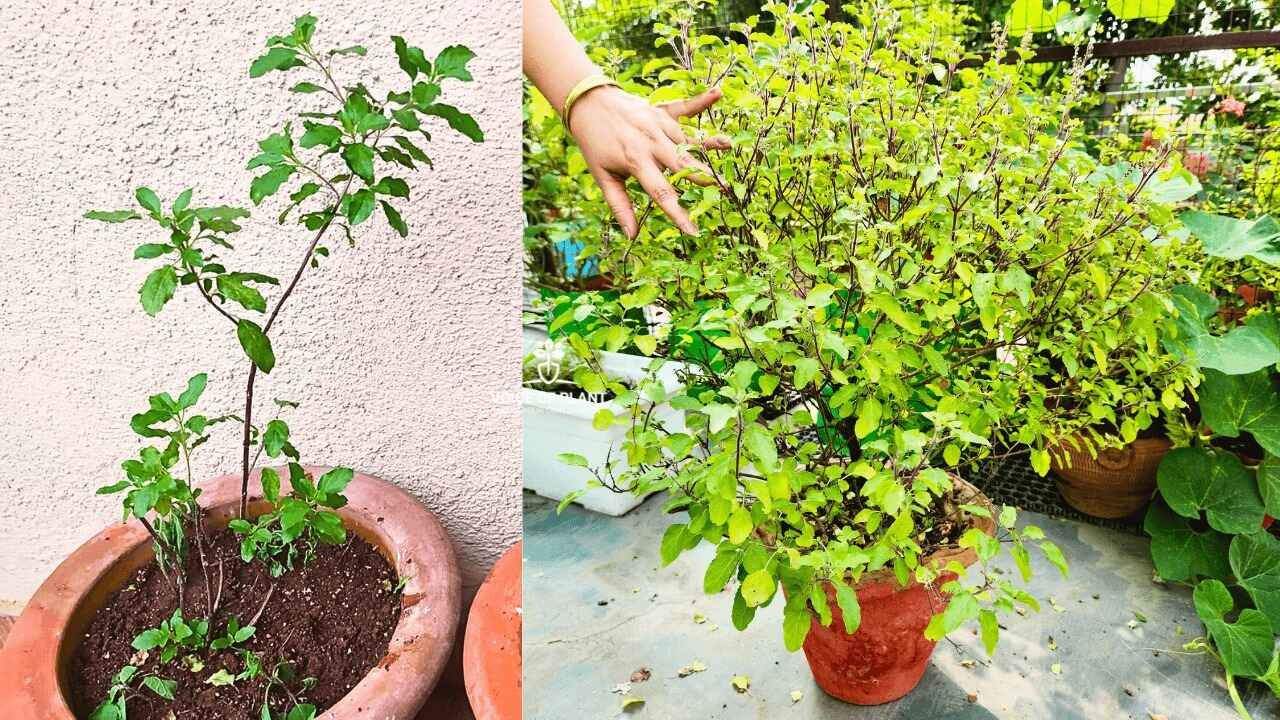
Tulsi is a familiar sight in many Indian homes, but keeping the plant fresh and full of green leaves can sometimes be surprisingly difficult. A plant that initially looks healthy may gradually become thin, develop yellow leaves, or grow upward without producing enough side branches.
The good news is that basic care can make a noticeable difference. Instead of depending on one particular homemade remedy, gardeners should pay attention to the soil, sunlight, watering, pruning, and nutrition together. These factors work as a combination, and ignoring even one of them can affect the plants overall growth.
Start with the soil because healthy roots are the foundation of a healthy tulsi plant. The soil should remain loose enough for air to reach the roots while allowing excess water to drain away. A simple mixture can contain garden soil, organic compost, and cocopeat or sand. Heavy soil that stays wet for long periods is best avoided because poor drainage can encourage root problems.
The pot also needs proper drainage holes. Water should be able to leave the container quickly instead of collecting around the roots. Adding too much water simply because the soil surface looks dry is not a good practice. Check the upper layer of soil first and water when it has started to dry.
Sunlight is equally important. Tulsi generally grows well when it receives several hours of sunlight, particularly gentle morning sunlight. A balcony or outdoor location with good morning exposure can work well. During extremely hot weather, however, harsh afternoon sunlight can stress the plant. If the leaves begin curling, drying at the edges, or showing signs of heat stress, moving the pot to a location with bright shade during the hottest part of the day can help.
Pruning is another simple step that many people overlook. When tulsi is allowed to grow without trimming, it can become tall and less compact. Pinching the growing tips encourages the plant to produce more side branches, which can gradually create a fuller appearance.
Flowering stems can also be removed when the goal is to encourage continued leaf growth. Once the plant starts producing flowers and seeds, some of its energy goes toward that process. Removing unwanted flower spikes at an early stage can help redirect growth toward new shoots and leaves.
Regular but moderate pruning is preferable to cutting large portions of the plant at once. A light trimming every couple of weeks, depending on the plants growth, can help maintain its shape without putting unnecessary stress on it.
Watering needs some attention as well. Tulsi does not like permanently waterlogged soil. At the same time, allowing the plant to remain completely dry for extended periods can cause the leaves to droop and slow down growth. During warm weather, watering in the morning is generally convenient. Instead of giving tiny amounts of water repeatedly, water thoroughly when the soil needs it and allow excess water to drain from the pot.
Organic nutrition can provide additional support. Used tea leaves are sometimes used as a soil amendment, but they should be thoroughly washed to remove milk and sugar and completely dried before being added to the soil. Fresh or improperly prepared tea waste can encourage unwanted fungal growth, so moderation and cleanliness are important.
Another option used by home gardeners is an organic cake based mixture containing ingredients such as neem powder, mustard cake, sesame cake, groundnut cake, and coconut cake. These materials can contribute organic matter and plant nutrients when used appropriately. A small quantity mixed into the soil occasionally is generally preferable to adding large amounts at once.
Neem based material is also commonly used in gardening because of its traditional role in managing certain soil and pest problems. However, organic does not automatically mean that more is better. Excess fertilizer can harm roots and disturb the soil, so any homemade mixture should be used sparingly.
There is no single spoonful that can guarantee a thick tulsi plant. Consistent care matters much more. Good drainage keeps the roots healthier, suitable sunlight supports growth, careful watering prevents stress, and regular tip pruning encourages more branches. Organic nutrition can then be used as an additional support rather than a replacement for basic plant care.
With these habits followed regularly, a tulsi plant can remain greener, healthier, and more compact for longer. The key is not an overnight fix but giving the plant the right growing conditions and making small adjustments when its leaves, soil, or growth pattern show signs of stress.