Cholera Outbreak Worsens in Nigeria as Nearly 200 Die in Borno State
A fast spreading cholera outbreak in Nigeria has claimed nearly 200 lives in Borno State while thousands of suspected infections continue to strain hospitals and emergency health services.
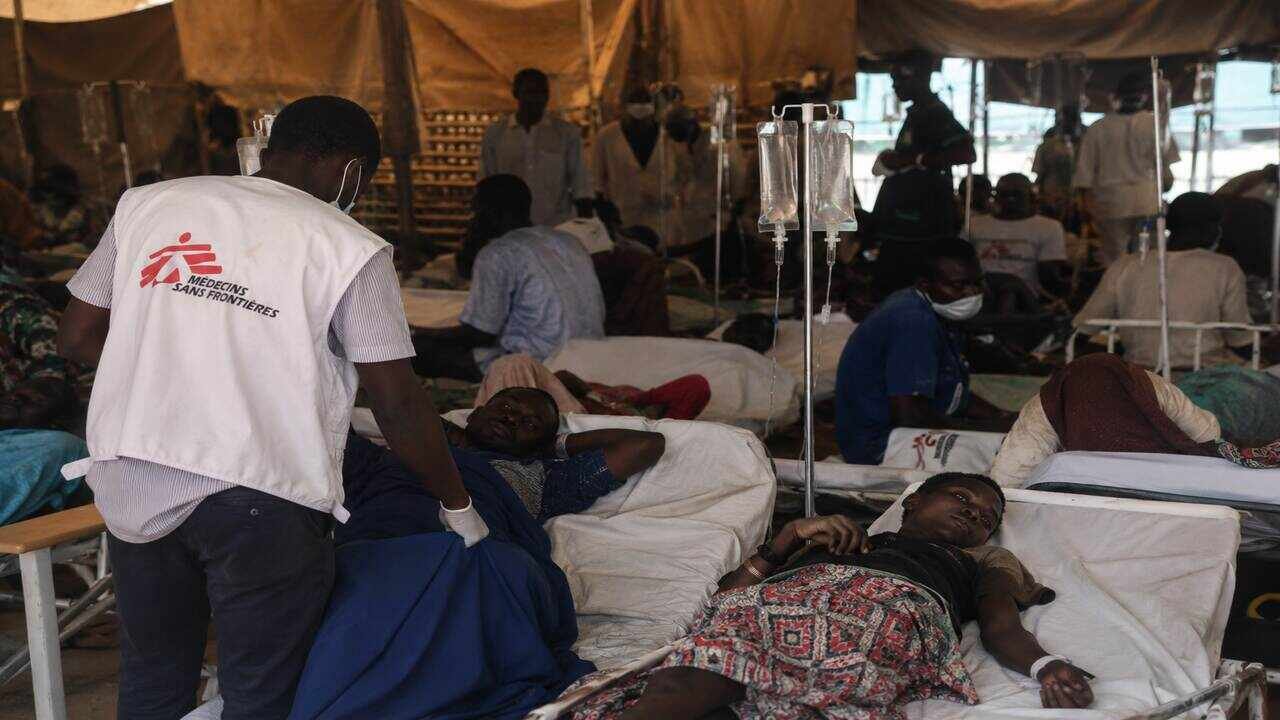
A deadly cholera outbreak is rapidly spreading across Nigeria’s northeastern Borno State, leaving health authorities struggling to contain the disease. Nearly 200 people have died over the past two months, while more than 35500 suspected infections have been reported, creating severe pressure on hospitals and medical centers.
Doctors Without Borders said healthcare facilities in the region are overwhelmed as the number of patients continues to rise. Medical teams are working alongside Nigerian authorities to provide treatment, but the growing caseload has stretched available resources.
Experts believe the outbreak has been fueled by limited access to clean drinking water, poor sanitation, and inadequate healthcare services in many affected communities. Heavy rainfall and flooding earlier this year are also believed to have increased the risk of contaminated water sources, allowing the disease to spread more quickly.
Although Nigeria’s disease control agency had warned several states about the possibility of cholera following the floods, the situation in Borno has become especially serious. International organizations including the World Health Organization, UNICEF, and Doctors Without Borders are supporting emergency medical operations and supplying essential healthcare to affected residents.
To reduce further infections, the Borno State government has restricted the use of water from dams and reservoirs that may be contaminated. Safe drinking water is now being delivered to villages through water tankers as part of emergency relief efforts.
Health experts warn that cholera can become life threatening within hours if treatment is delayed. They stress that improving sanitation, ensuring access to clean water, and seeking immediate medical care are essential to preventing more deaths and controlling the outbreak.