UPI Rules From October 15: What Changes for Merchant Payments
UPI rules will change from October 15 for selected merchant payments above Rs 2,000, while person to person transfers and most everyday transactions will continue without customer charges.
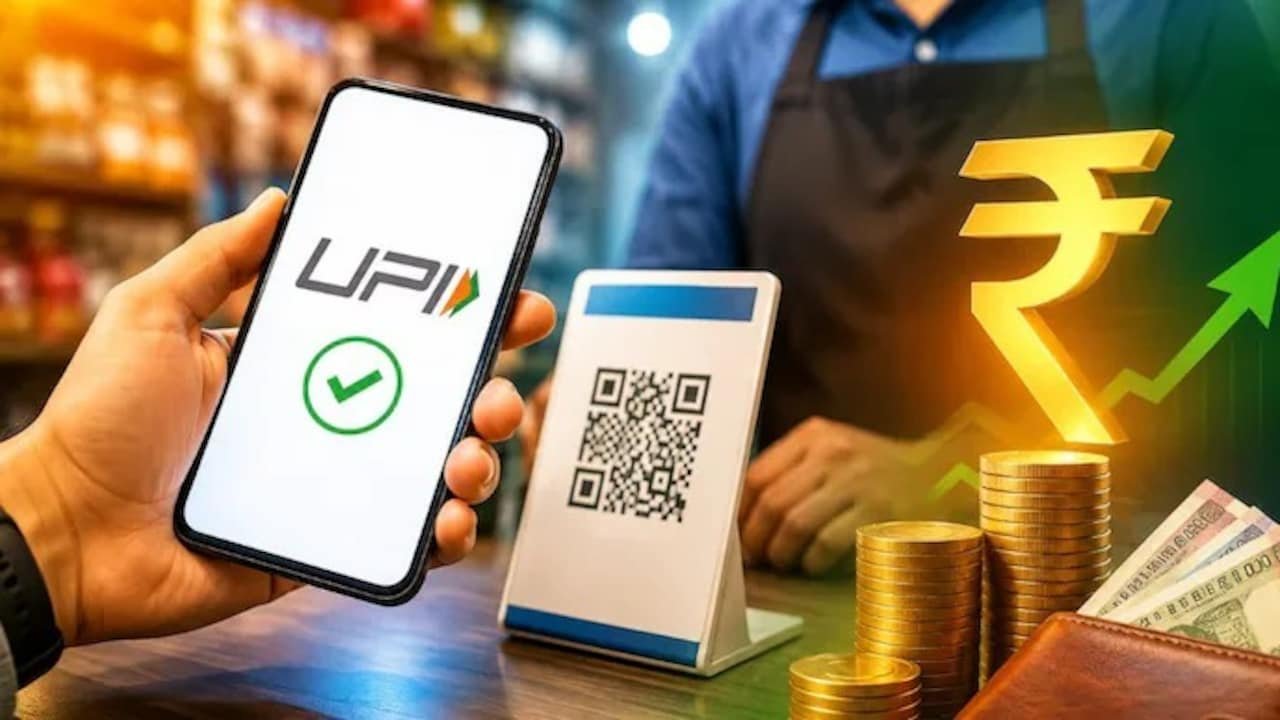
The upcoming change to UPI payments has created confusion around whether customers will have to pay a new fee. According to the Finance Ministry, the new framework does not impose MDR on customers. The change mainly concerns selected person to merchant transactions above Rs 2,000.
Under the new framework, a 0.4 percent Merchant Discount Rate will apply to specified merchant transactions above Rs 2,000 from October 15, 2026. MDR is a charge within the merchant payment ecosystem and is not a fee that customers are required to pay separately.
For example, a qualifying merchant transaction worth Rs 3,000 would attract MDR of Rs 12, while a Rs 50,000 transaction would attract Rs 200. For transactions of Rs 75,000 or more, the MDR is capped at Rs 300 per transaction.
For customers, the important point is that the amount paid for a purchase does not automatically increase because of MDR. The Finance Ministry has clarified that customers will not be required to pay MDR, and banks have been advised to ensure that merchants do not pass the charge on to customers.
Everyday merchant payments of Rs 2,000 or less will continue under the zero MDR framework. This means common purchases involving amounts such as Rs 500, Rs 1,000 or Rs 2,000 will not attract the new 0.4 percent MDR.
There is also no new charge on person to person UPI transfers. Sending money to a friend or family member, or transferring money between your own accounts through UPI, will remain free regardless of the amount involved.
Small merchants have also been given protection under the framework. Eligible small merchants receiving up to Rs 1 lakh per month through UPI QR codes under the specified category will continue to receive zero MDR on their transactions. This provision covers small businesses such as neighbourhood shops and street vendors that meet the stated conditions.
Certain essential sectors will follow a different MDR structure. Qualifying transactions above Rs 2,000 involving areas such as railways, telecommunications, insurance, fuel and agricultural inputs will attract a flat MDR of Rs 5 per transaction instead of the standard 0.4 percent rate. The charge remains part of the merchant side payment ecosystem rather than a separate customer fee.
Capital market related payments also have a separate rate. Transactions involving mutual funds, securities, stockbrokers and dealers will attract an MDR of 0.02 percent, subject to a maximum of Rs 300 per transaction.
The overall impact on regular UPI users is therefore expected to be limited. The Finance Ministry says approximately 96 percent of merchant transactions will remain unaffected because they either fall below the Rs 2,000 threshold or are covered by the zero MDR provisions for small merchants.
It is also important to understand that MDR is not a government tax. The Finance Ministry has stated that the amount is distributed among participants in the payment ecosystem, including banks and payment service providers, to support the operation and expansion of UPI.
The new framework does not mean that every UPI transaction will become chargeable from October 15. The change is limited to specified merchant transactions that meet the applicable conditions. Person to person transfers, merchant payments up to Rs 2,000 and qualifying transactions covered by the zero MDR framework will continue to remain free.
For people using UPI for routine purchases, the most important distinction is between paying a merchant and transferring money to another person. The new MDR applies to selected merchant transactions, while person to person payments remain outside the framework.
The revised system is scheduled to take effect from October 15, 2026. Until then, users should rely on information issued by the Finance Ministry, NPCI and other official payment authorities rather than messages claiming that every UPI payment will carry a new fee.