Pulmonary Thromboembolism Explained Symptoms Causes and Why Early Action Can Save Lives
Pulmonary thromboembolism is a life threatening condition caused by blood clots blocking lung arteries and experts stress recognizing early symptoms like chest pain breathlessness and leg swelling for timely emergency treatment
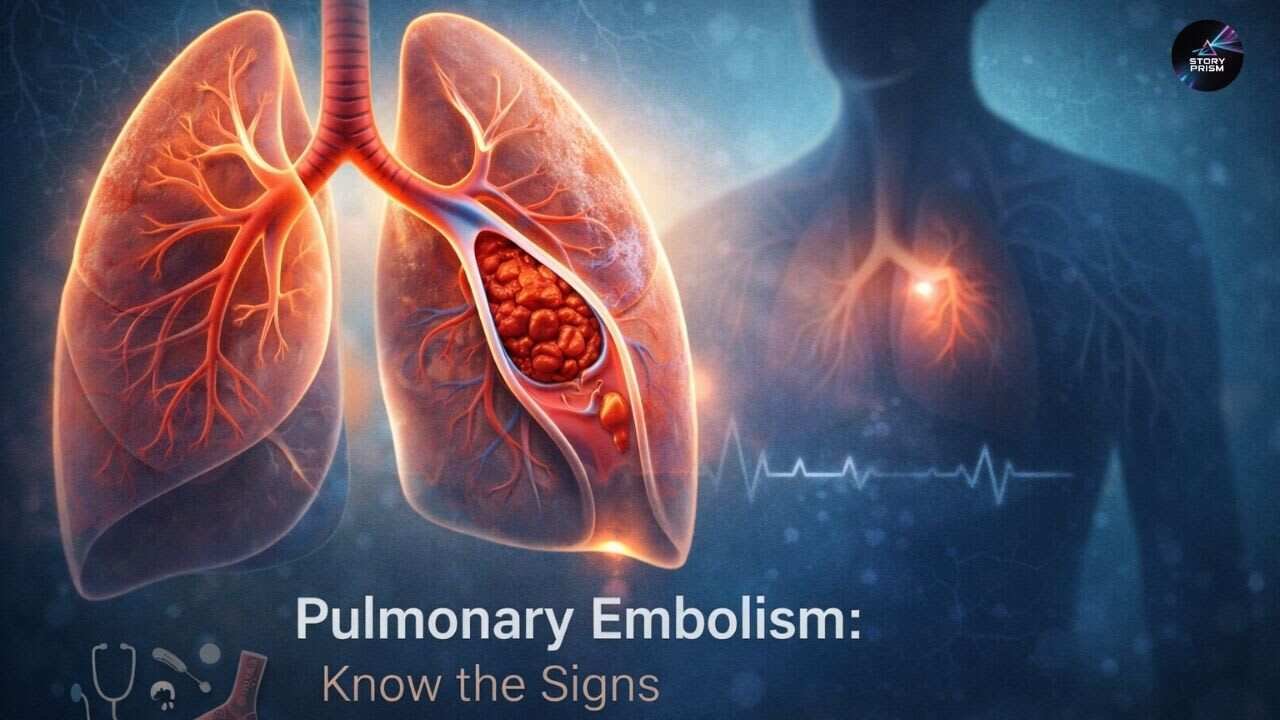
Pulmonary thromboembolism has recently come into focus after it was reported as the cause of death in a high profile case. Medical reports linked the condition to sudden blockage in the lung’s blood vessels, highlighting how quickly it can turn fatal if not treated on time. Experts describe it as one of those medical emergencies where even a short delay can significantly reduce survival chances.
In simple terms, pulmonary thromboembolism occurs when a blood clot forms in one part of the body and travels through the bloodstream to the lungs. Once it reaches the pulmonary arteries, it blocks blood flow and disrupts oxygen supply. Most often, these clots originate in the deep veins of the legs or pelvic region, a condition known as deep vein thrombosis, before breaking loose and moving toward the lungs.
What makes this condition particularly dangerous is its sudden nature. In many cases, patients may not even realize a clot is forming until it becomes an emergency. According to medical observations, a significant number of deaths occur within hours of symptom onset if immediate care is not provided. This is why awareness of warning signs becomes extremely important.
The symptoms of pulmonary thromboembolism can vary in intensity but often appear abruptly. One of the most common signs is sharp chest pain that worsens during deep breathing. Shortness of breath, even at rest, is another major indicator that should not be ignored. Some patients may also experience rapid breathing or a feeling of tightness in the chest.
Coughing can also occur, and in severe cases, it may include traces of blood. Other symptoms include dizziness, sudden fainting, and a noticeably fast heartbeat. Some people may feel unusual pressure or discomfort in the chest along with wheezing during breathing. These symptoms can easily be mistaken for less serious conditions, which is why they are often overlooked.
Leg related symptoms are equally important in early detection. Pain, swelling, warmth, or tenderness in one leg may indicate a developing clot in the deep veins. If such signs appear along with breathing difficulty or chest discomfort, it becomes a medical emergency that requires immediate attention.
Treatment usually focuses on preventing the clot from growing and stopping new clots from forming. Doctors often use blood thinning medications as the primary line of treatment, which help improve blood flow and reduce blockage risks. In severe cases, more advanced medical interventions may be required depending on the patient’s condition.
Preventing pulmonary thromboembolism largely depends on early recognition of risk factors and symptoms. People with prolonged immobility, recent surgeries, or underlying health conditions are generally at higher risk. Staying active, maintaining proper hydration, and seeking prompt medical advice when symptoms appear can play a crucial role in prevention and survival.