
Phone Addiction Warning Signs You Should Never Ignore
Constant smartphone use may feel normal today, but health experts warn that excessive screen time can quietly damage sleep, mental balance, posture, eyesight, and overall wellbeing if ignored for long periods.
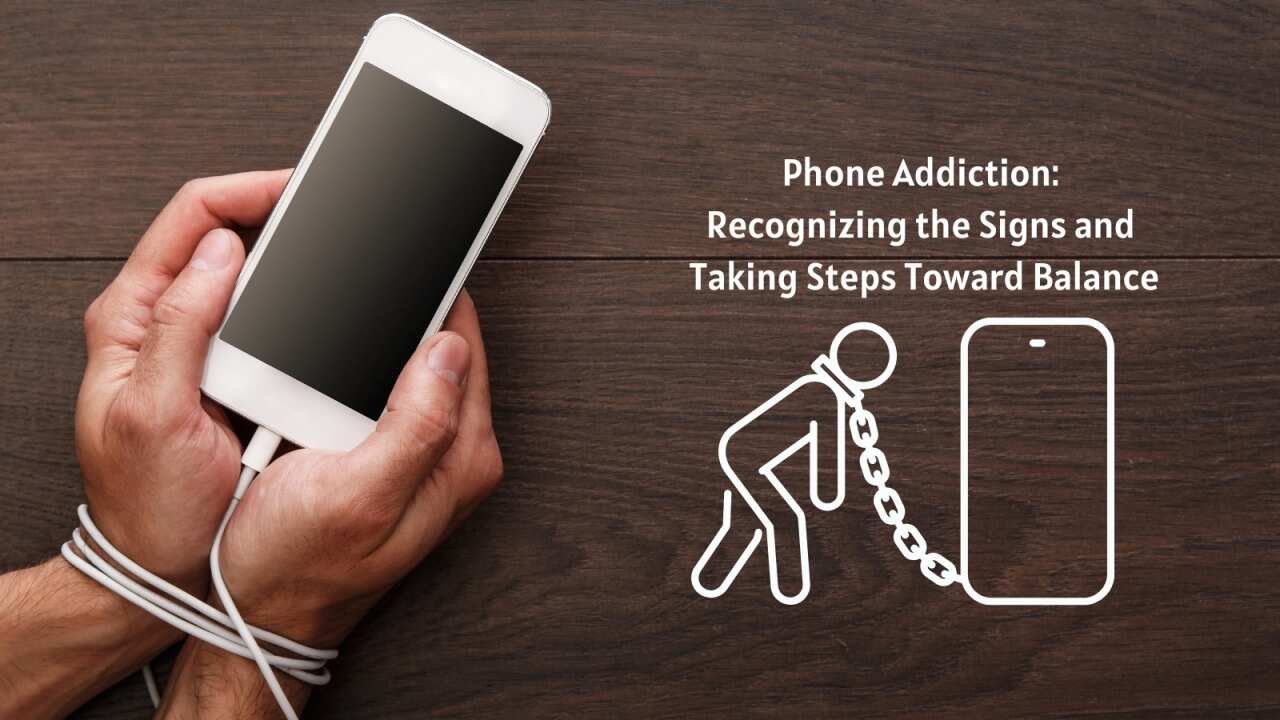
Smartphones have become an inseparable part of daily life. From morning alarms to office work, entertainment, shopping, and social media, most people spend several hours every day staring at their screens. While technology has made life easier, health experts say overusing mobile phones can slowly affect both physical and mental health without people even realizing it.
Many people now check their phones every few minutes. Some even feel anxious if the device is not nearby or if the battery runs low. Medical experts describe this growing fear of being without a mobile phone as Nomophobia. According to doctors, the human body starts showing warning signs when screen addiction crosses healthy limits.
One of the most common problems linked to heavy smartphone usage is poor sleep. Using phones late at night exposes the eyes to blue light, which interferes with melatonin production. Melatonin is the hormone responsible for helping the body sleep naturally. As a result, many people struggle to fall asleep on time and wake up feeling tired, irritated, or mentally exhausted the next day.
Another major issue is digital eye strain. Continuous scrolling and watching videos for hours can leave the eyes dry, red, and painful. Some people also experience blurry vision and recurring headaches after prolonged screen exposure. Eye specialists say frequent breaks are essential to reduce pressure on the eyes and protect long term vision health.
Doctors are also seeing a rise in neck and back pain caused by poor posture during phone usage. Most people bend their heads forward while using smartphones, putting excessive pressure on the neck muscles and spine. Experts say this condition, often called Text Neck, can eventually lead to shoulder pain, stiffness, and even spinal complications if ignored for a long time.
Mental health can also suffer because of constant mobile dependence. Notifications, social media updates, and endless scrolling trigger dopamine release in the brain, creating temporary excitement and satisfaction. Over time, however, this habit affects concentration levels and increases stress and anxiety. Some people even feel phantom vibrations, where they think the phone is ringing or vibrating when it actually is not.
Health professionals advise people to maintain healthier digital habits before these symptoms become serious. Keeping the phone away at least one hour before bedtime can improve sleep quality significantly. Turning off unnecessary notifications, reducing screen time, and practicing regular digital detox sessions may help restore mental balance and improve focus.
Experts also recommend taking short breaks while using smartphones for long hours. Simple habits like maintaining proper sitting posture, blinking frequently, and limiting social media use can protect both physical and emotional health. As smartphones continue to dominate modern life, doctors say awareness and self control are the best ways to prevent screen addiction from affecting long term wellbeing.